 UNAIDS Asia-Pacific
Monthly Archives: March 2020
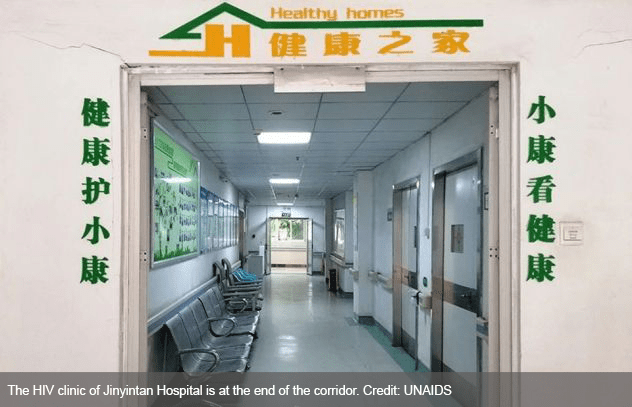
On the day of China’s Lantern Festival, 8 February, Shen Ming was making sweet dumplings, the traditional festival delicacy, at his home in Wuhan in China’s Hubei Province. From time to time, he would raise his head to watch the local news on the television to get the latest on the COVID-19 outbreak. His paid particular attention to the new traffic restriction measures. Unlike most people in the city, who stayed indoors… Read More
“People who inject drugs can access harm reduction services and HIV treatment, but they still don’t go for them. Why?” asked Deputy Director-General of Communicable Diseases of the Myanmar Ministry of Health and Sports, Thandar Lwin, while searching for ways to respond to the drug-related HIV epidemic in northern Myanmar.
There are around 45 000 people living with HIV in Papua New Guinea, with marginalized groups, such as sex workers and other women who exchange sex for money, goods and protection, gay men and other men who have sex with men and transgender women, most affected. However, less than half of the people who belong to those vulnerable groups have ever taken a test to know their HIV status.
For six weeks, two teams covered 12 HIV clinics on a data checking mission in Papua New Guinea. UNAIDS joined the country’s strategic information technical working group in the National Capital District, which includes Port Moresby, to inspect the clinics’ records to see if they match the records of the National Department of Health.
The Pacific region has among the world’s highest rates of gender-based violence. National research show that 72% of Fijian women experience gender-based violence, compared to the global average of 35%. Women in the region also have a low representation in leadership positions—out of the 560 Pacific members of parliament, 48 are women, of whom 10 are Fijian women.
“I was walking to work, like I do every morning. There was a man on a motorbike at the end of the street. As I walked pass him, he grabbed my breasts and sped off.” This is a quote from one of the many stories featured on Hollaback! Jakarta’s website. Sexual harassment and other forms of gender-based violence remain a serious issue for women in Indonesia. According to the National Commission on Violence… Read More
People who use drugs are often highly stigmatized and face high levels of discrimination. Women who use drugs, however, are doubly stigmatized and discriminated against—because of their drug use and because of their gender. They are also more exposed to gender-based violence and human rights violations that put them at risk of HIV and other infections.



 UNAIDS Asia-Pacific