 UNAIDS Asia-Pacific
ASEAN countries chart path toward ending inequalities and ending AIDS

VIENTIANE/BANGKOK, June 13, 2023—ASEAN member states have taken a critical step forward in the implementation of the 2022 ASEAN Leaders’ Declaration on Ending Inequalities and Getting on Track to end AIDS by 2030. During a two-day meeting hosted by Lao PDR in Vientiane, representatives from ten ASEAN member states recommended updates to the existing workplan to reflect the renewed commitment.
The new plan will be particularly focused on reaching people not yet accessing the HIV prevention, testing, treatment and care services they need. It will also ensure people who are aware that they are living with HIV and those that have begun treatment are not lost. Key to both targets is the reduction of HIV- and key population-related stigma and discrimination in healthcare, education, employment, justice and community settings. Also, there will be a stronger focus on the sustainability of national HIV responses in the revised workplan.
“We have gone a long way and made a big difference in our response to HIV and AIDS,” noted Dr Chanthanom Manithip, Permanent Secretary, of the Lao PDR Health Ministry and Chair of the ASEAN Senior Officials’ Meeting on Health Development (SOMHD). She encouraged countries “to keep the drive and commitment aflame as we accelerate our efforts to catch up from the time lost as a result of the (Covid-19) pandemic and as we reset our vision to ending AIDS by 2030.”
UNAIDS Asia and Pacific Regional Director, Eamonn Murphy, applauded the sub-region’s coordinated and multi-sectoral approach.
“This is not just a job for Health Ministries,” Mr Murphy said. “We must apply both programmatic and policy solutions across multiple sectors to address the structural barriers slowing progress. Neither is this a race between nations. No country is safe unless all are safe. This is why ASEAN’s joint commitment, planning and action are so valuable.”
Harry Prabowo, Project Coordinator of the Asia Pacific Network of People living with HIV (APN+) called for communities of people living with HIV, key and vulnerable populations to be at the forefront and centre of the HIV response. Among APN+’s recommendations to the ASEAN member states were increased buy-in for community-led monitoring, a regional human rights observatory and higher investments in harm reduction.
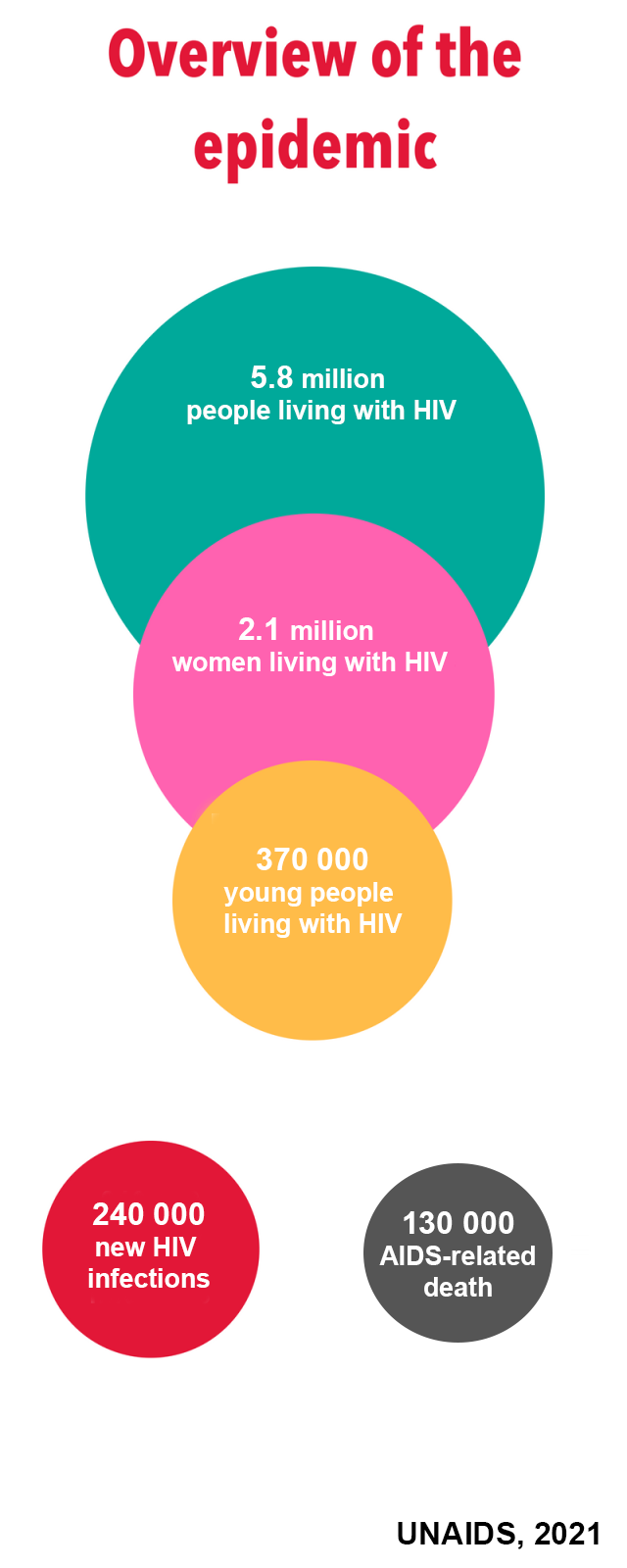
In 2021 there were an estimated 1.9 million people living with HIV in ASEAN countries, an estimated 78,000 new HIV infections and 49 000 AIDS-related deaths. Despite regional reductions in new HIV infections and AIDS-related deaths since 2010, new infections have increased in the Philippines and Malaysia, while AIDS-related deaths increased in the Philippines, Indonesia and Lao PDR.
For the Asia Pacific region as a whole, 96% of new infections are among key populations (men who have sex with men, people who inject drugs, sex workers, transgender people) and their partners. From 2010 to 2021 estimated new HIV infections among men who have sex with men increased by five times in the Philippines, doubled in Cambodia and rose by 42% in Lao PDR.
ASEAN HIV responses are at varying stages. As of the end of 2021 while treatment coverage in Cambodia and Thailand exceeded 80%, several countries had far lower treatment rates including Indonesia (28%), Philippines (41%), Malaysia (55%) and Lao PDR (57%).
The ASEAN Leaders’ Declaration on Ending Inequalities and Getting on Track to End AIDS by 2030 is aligned with the 2021 UN Political Declaration on HIV and AIDS and the 2021–2026 Global AIDS Strategy and targets. This strategy aims to end the inequalities that drive the AIDS epidemic to get every country and community on track to end AIDS.
The workplan will be finalised following a process of further consultation. With support from the ASEAN Secretariat, Lao PDR will report on the operationalisation of the Declaration at the upcoming 17th ASEAN SOMHD meeting.



 UNAIDS Asia-Pacific