 UNAIDS Asia-Pacific
Teams from two UNAIDS regions tackle multiple dimensions of sustainability
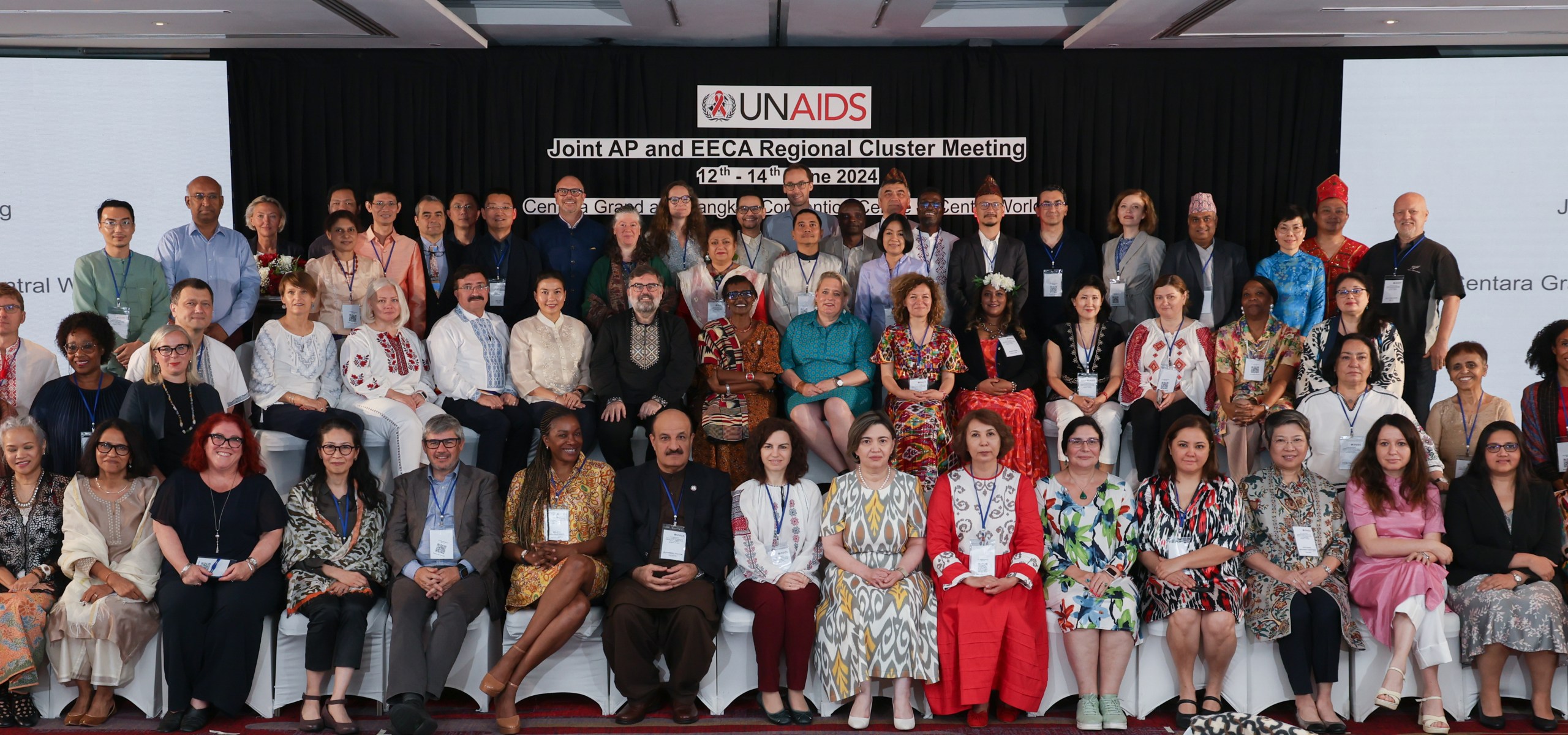
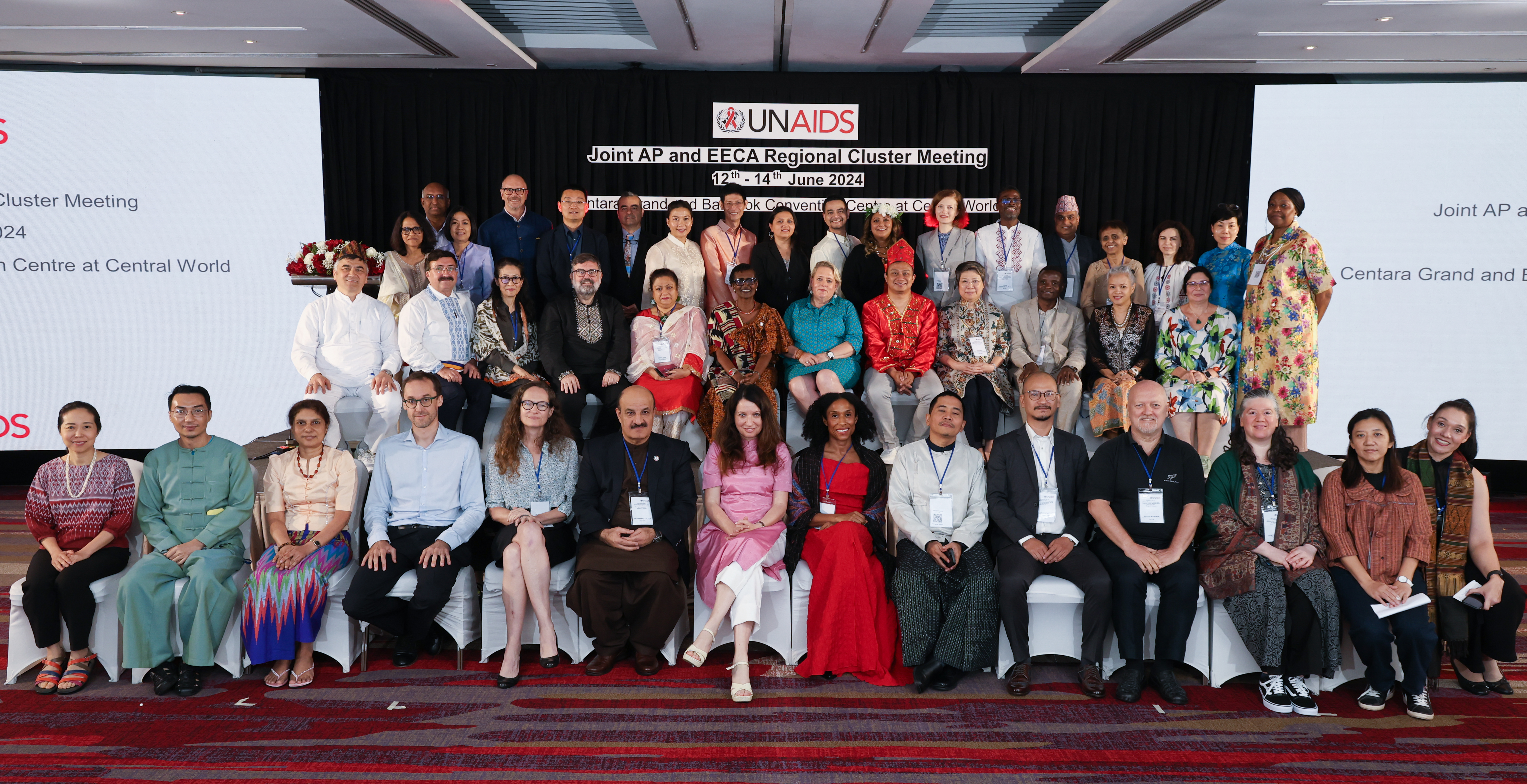
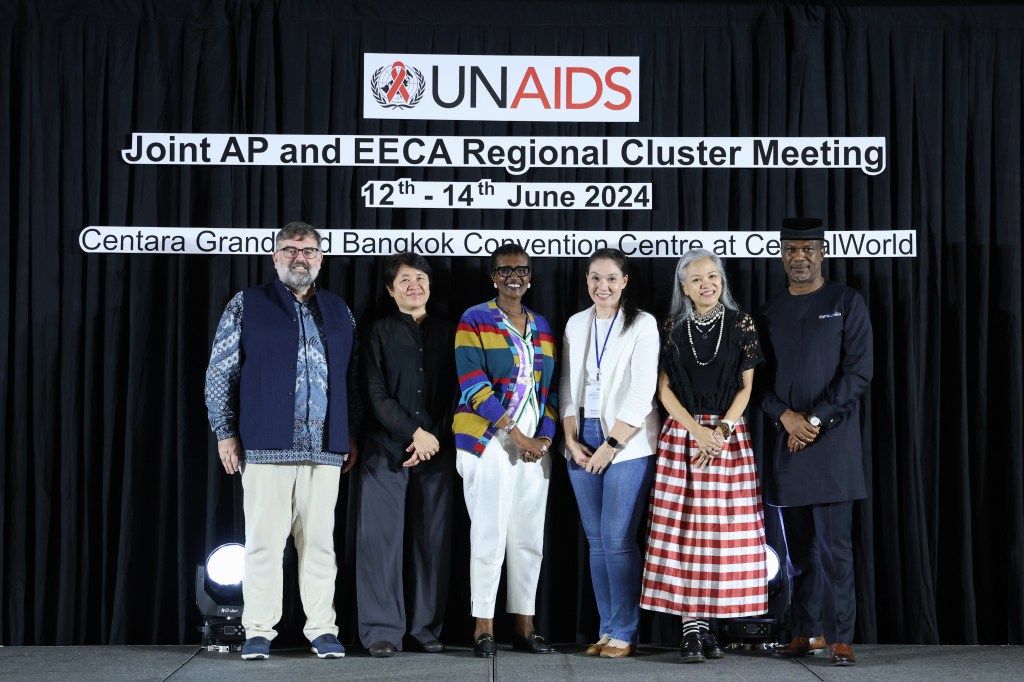
For the first time, UNAIDS staff from Asia Pacific (AP) and Eastern Europe Central Asia (EECA) came together for a joint Regional Cluster Meeting (RCM), held from June 12 – 14 in Bangkok, Thailand.
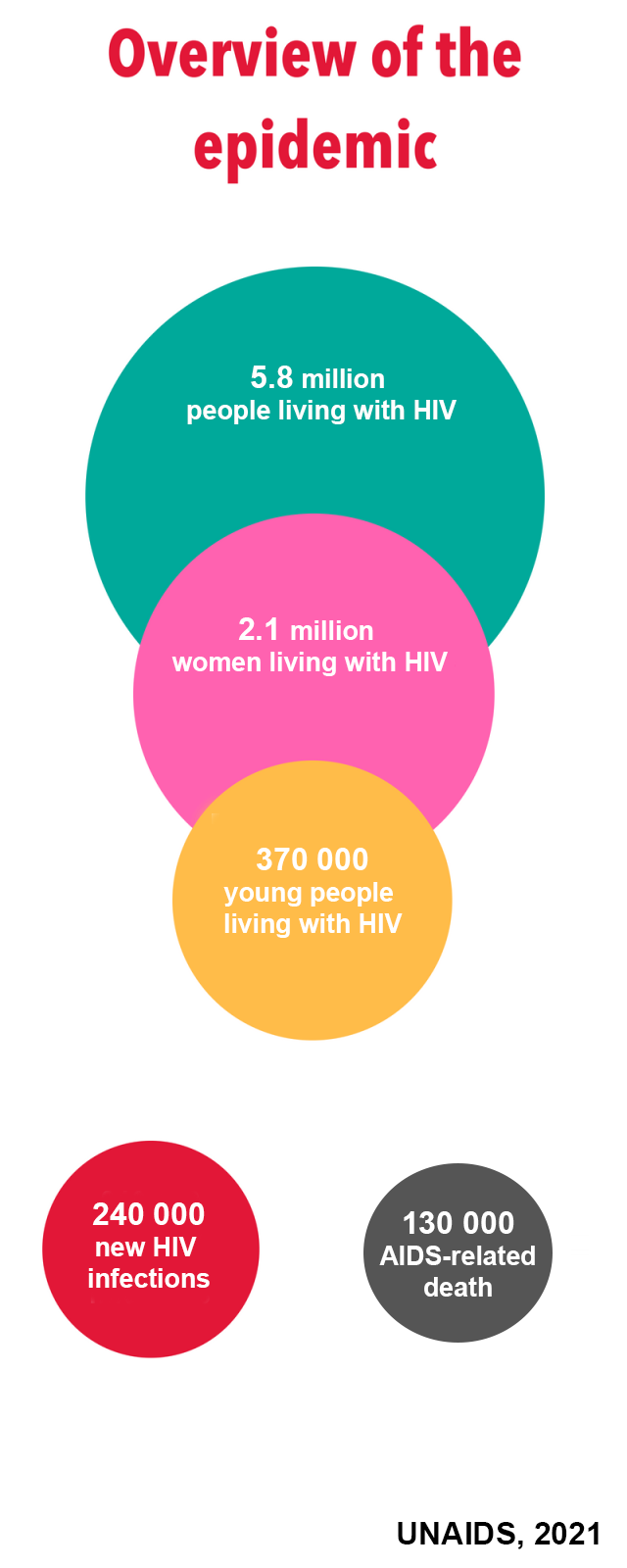
Asia Pacific has the world’s second largest HIV epidemic outside Eastern and Southern Africa, while Eastern Europe Central Asia has the fastest growing epidemic.
But despite huge variations between and within these regions, there are key similarities. They lag behind the global average for treatment coverage due to places where access to antiretroviral therapy is unacceptably low. In both AP and EECA there are countries in which new infections are rising sharply. Their epidemics are concentrated among the key populations but access to combination HIV prevention and treatment services for these communities is inadequate. And injecting drug-use is a shared challenge.
The meeting centred on the theme of sustainability—political, programmatic and financial. Rather than look at thematic areas in a standalone way, the RCM aimed to foster lateral thinking to achieve a more intersectional and impact-driven response. It also sought to strengthen ways of working to ensure offices optimize collaborations between practice areas and teams, as well as with cosponsors and partners.
In her opening remarks UNAIDS Executive Director Winnie Byanyima urged staff to position HIV more strategically within the broader health and development agenda. She cautioned that the landscapes of international crises, political priorities and donor funding have fundamentally changed.

The Executive Director also called for country teams to be both more vigilant and courageous about addressing human rights issues.
“If you are waiting to see a harsh law on the books you are waiting too long. It starts with intolerance, with people not being able to express themselves freely, with pushback on how women dress or work, with anti-LGBTQ rhetoric. There is something messy about every struggle,” she added. “There is always a price to pay. Be firm. Be courageous. Be defenders of human rights.”
Deputy Executive Director (DXD) Christine Stegling joined in person while DXD Angeli Achrekar contributed virtually. UNAIDS Country Directors, programme staff and members of the two Regional Support Teams exchanged knowledge and experiences about their diverse HIV epidemics and responses. For four incoming UCDs this was an orientation and networking opportunity.



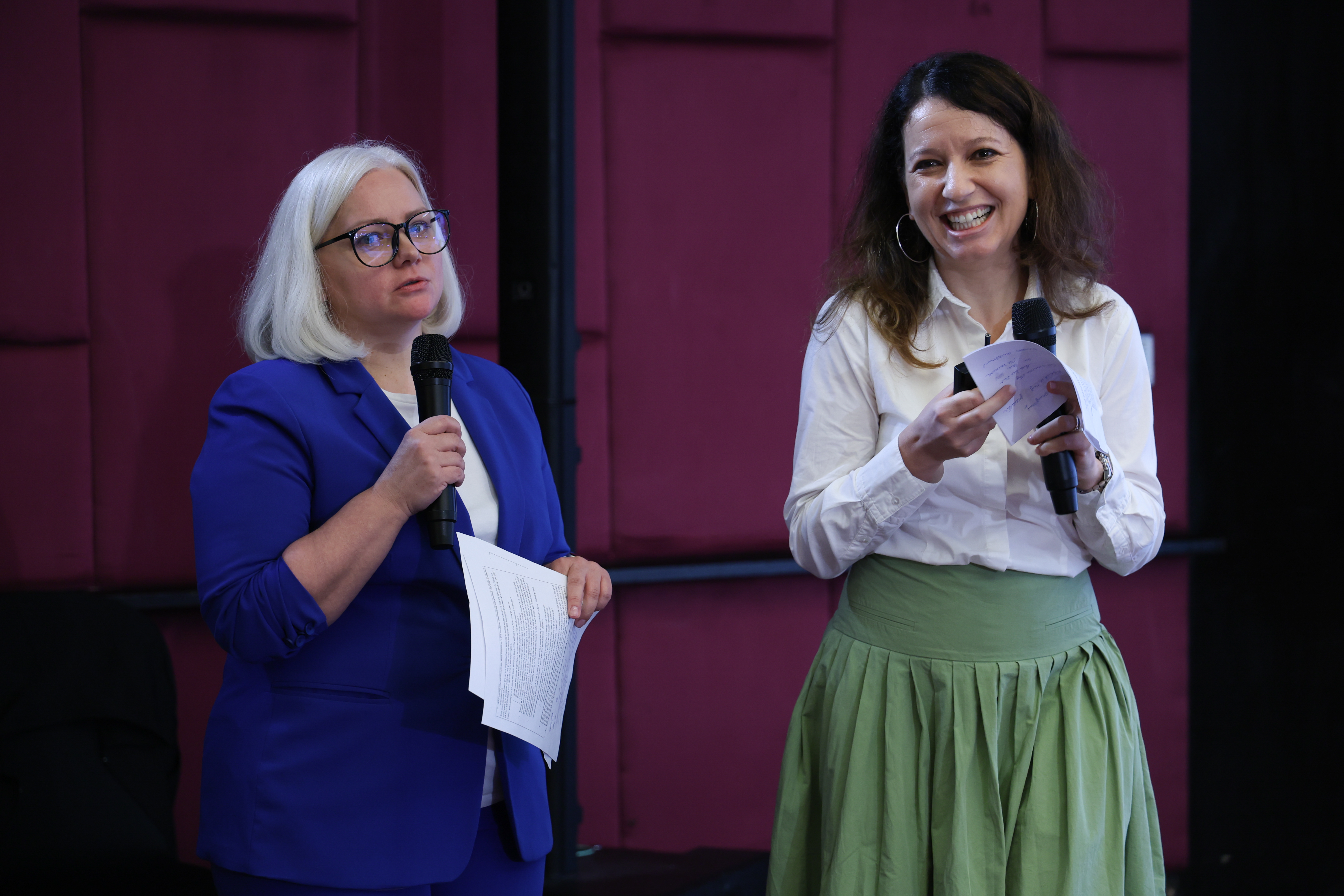
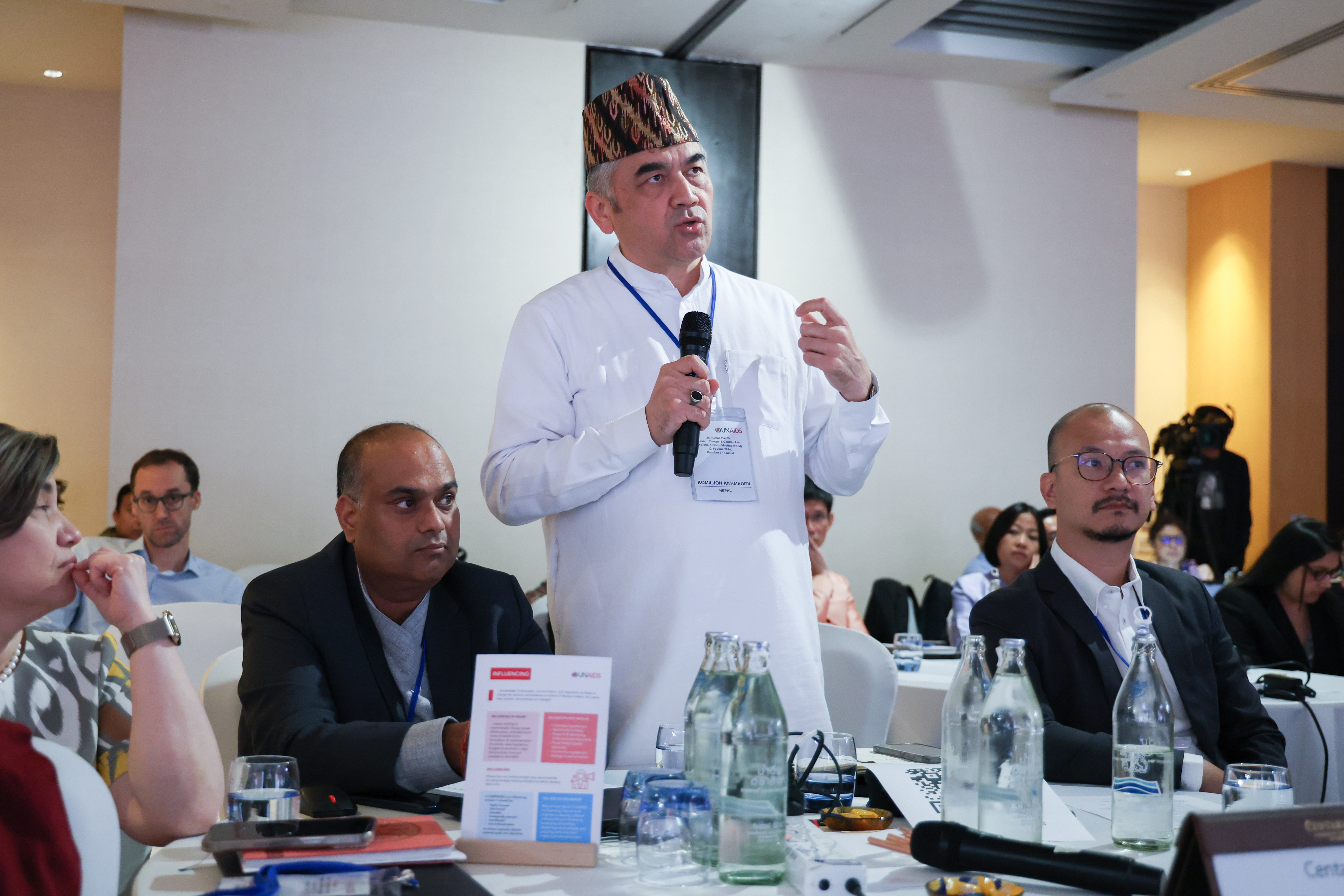
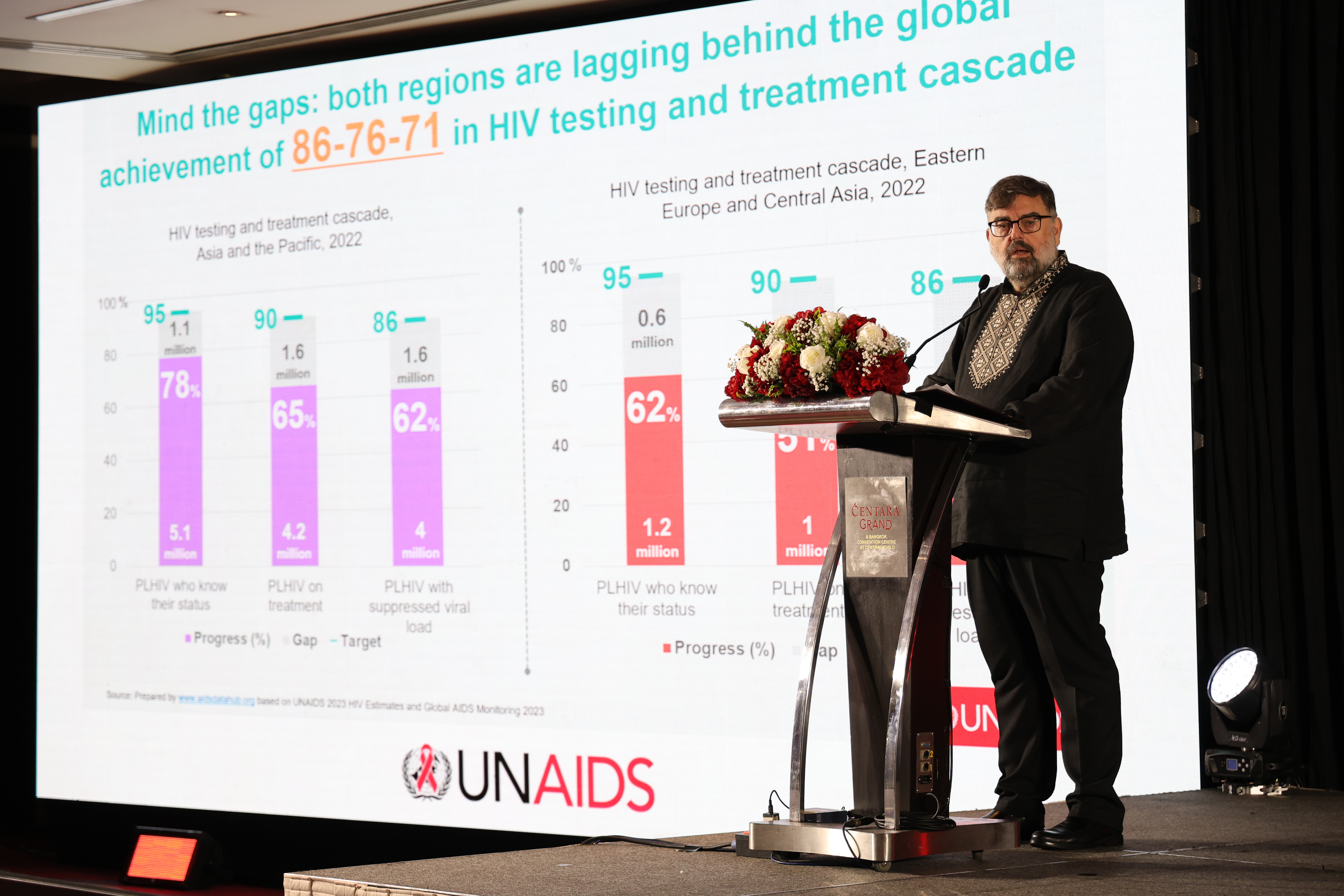

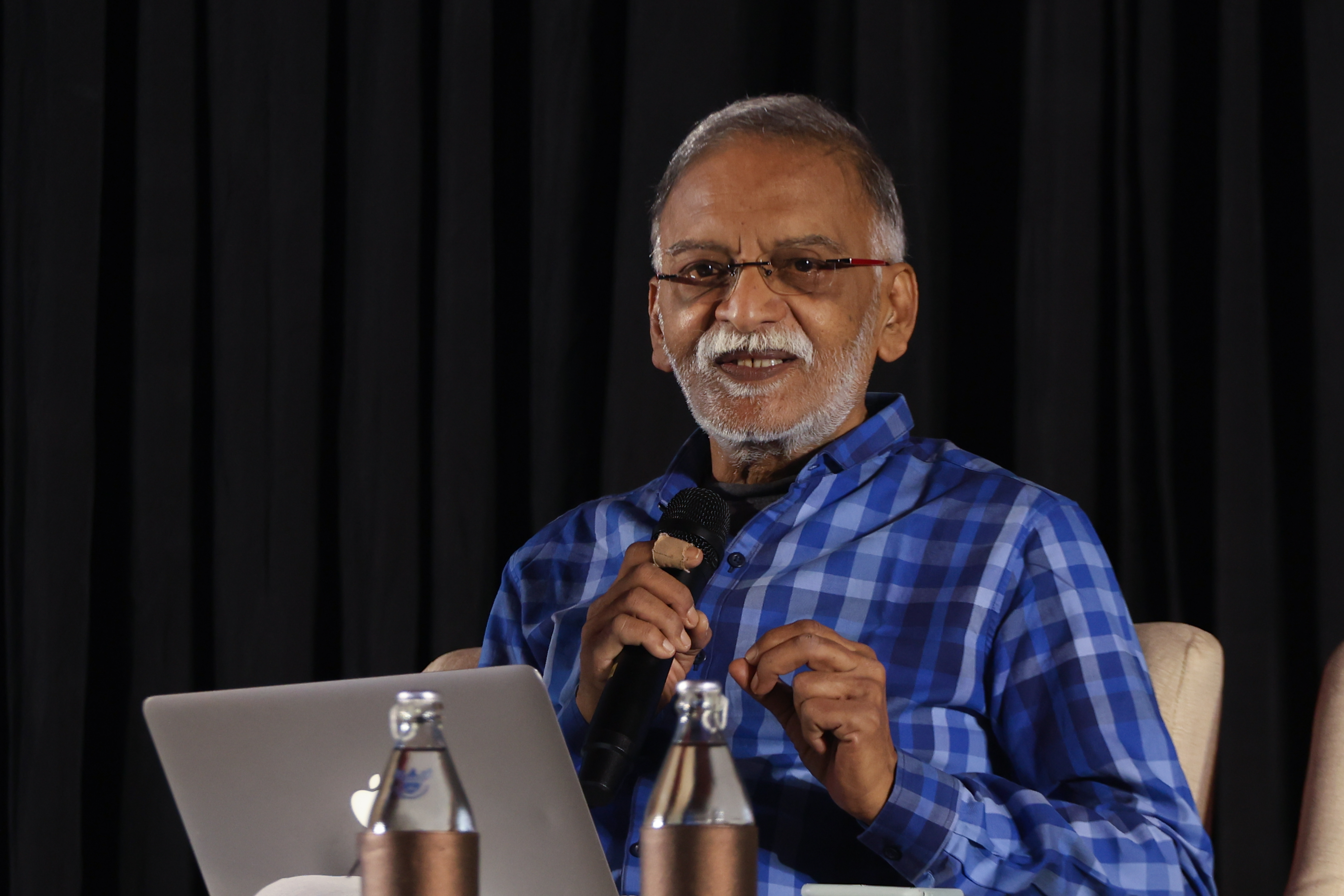
Regional Cosponsors and special guest speakers joined at key parts of the agenda, including Dr Nittaya Phanuphak, Executive Director of the Institute of HIV Research and Innovation in Thailand, Dr Sundar Sundaraman, legendary Indian physician turned activist, and Hanna Dovbah who heads the Eurasian Harm Reduction Network.
Staff discussed the challenges of increasing HIV infections, inequalities and human rights pushbacks. They also explored ways to accelerate and sustain AIDS response gains by making linkages with agendas that address root causes while supporting the acceleration of combination prevention, community-led services and domestic investments.
They identified collaboration and strategic engagement within UN Country Teams and with Resident Coordinators as critical for positioning HIV in the UN Cooperation Framework.
Participants also explored options for resource mobilization and ways to secure support from, and work with, the Global Fund, PEPFAR and other donors in a shifting ecosystem.
Community representatives from both regions joined an exciting panel to share updates and experiences in ensuring that people living with HIV access essential services, including in emergency settings. The teams agreed on the need to develop concrete indicators to measure the impact of community-led responses and progress towards the 30-80-60 targets, while propelling community-led service delivery through domestic funding and social contracting.
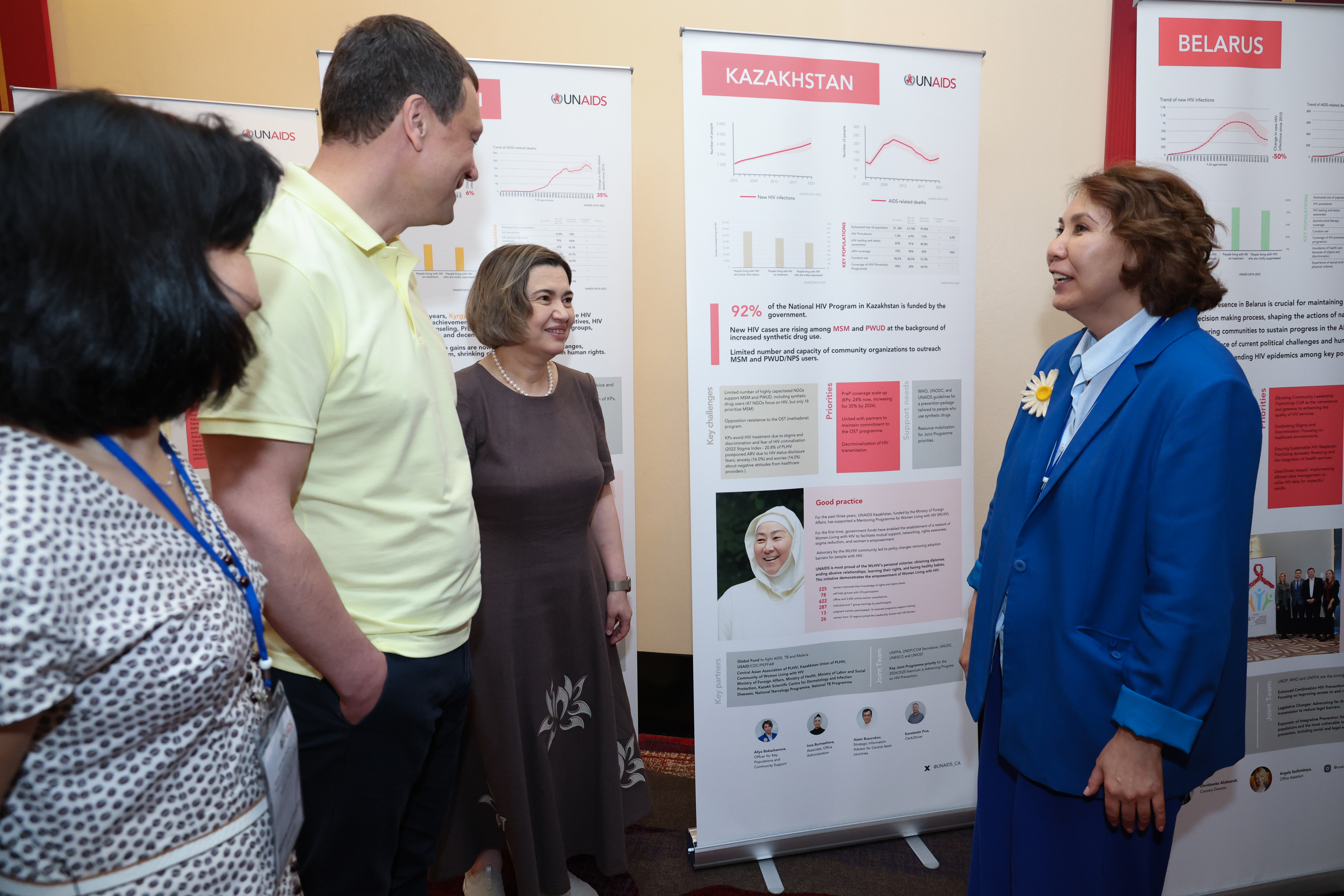
Teams showcased their work through a “marketplace” in which they displayed and discussed key challenges, wins and support needs.




In a session that featured Tai Chi and meditation exercises, staff were given practical skills for managing stress and boosting mindfulness. Staff Counsellor Nancy Beaudouin encouraged colleagues to prioritize their wellbeing and reach out for help if needed.
Knowledge Management (KM) approaches were mainstreamed throughout the meeting including a roleplay on influencing, World Cafés on operational issues and humanitarian responses, a close-up interview with Deputy Executive Director Christine Stegling on feminist leadership, and a KM storytelling exercise.
The RCM also featured celebrations honoring the long service of team members who reached 10, 15, 20 and 25 year milestones.






 UNAIDS Asia-Pacific