 UNAIDS Asia-Pacific
Two regions team up to improve HIV services through community oversight

BANGKOK, 23 September, 2024—Seventeen countries from the Asia Pacific and Eastern Europe Central Asia regions collaborated on a strategy to strengthen Community-led Monitoring (CLM) over the next year. The meeting facilitated learning exchanges between countries at different stages of implementation. The resulting strategy can improve HIV response results by sustainably addressing stigma, poor services standards and rights violations in healthcare settings.
CLM is an approach in which organizations of people living with HIV (PLHIV) and key populations systematically identify their peers’ challenges in accessing quality healthcare. They then use data and analysis to develop recommendations, working with policymakers and service providers to make improvements.
This initiative was coordinated by the Seven Alliance—a consortium of PLHIV and key population umbrella organizations—and the Health Advocacy Coalition (HAC), with support from UNAIDS Asia Pacific and Eastern Europe Central Asia as well as the US Centers for Disease Control and Prevention (CDC). The participating countries were Bhutan, Cambodia, India, Indonesia, Kazakhstan, Kyrgyzstan, Lao PDR, Malaysia, Mongolia, Myanmar, Nepal, Papua New Guinea, Philippines, Sri Lanka, Tajikistan, Thailand and Ukraine. Country teams were composed of communities, government representatives and development partners.
Speaking on behalf of the Seven Alliance, International Community of Women Living with HIV Asia Pacific (ICWAP) Regional Coordinator, Sita Shahi, called on stakeholders to ensure that CLM processes more deliberately address gender and key population issues, including the link between gender-based violence and HIV.

“In many cases, CLM efforts do not sufficiently include women, LGBTQ+ people and other marginalized gender groups in leadership or monitoring roles. When the voices of these groups are underrepresented, CLM fails to capture the nuanced challenges they face, limiting its ability to promote gender equity in a transformative way,” Ms Shahi said.
Sergii Dmytriiev, Executive Director of the Health Advocacy Coalition stressed that CLM added value to wider health systems: “When we work with Eastern European governments, we see that CLM is required by the medical system because many of the drawbacks of the system are not known without it.”
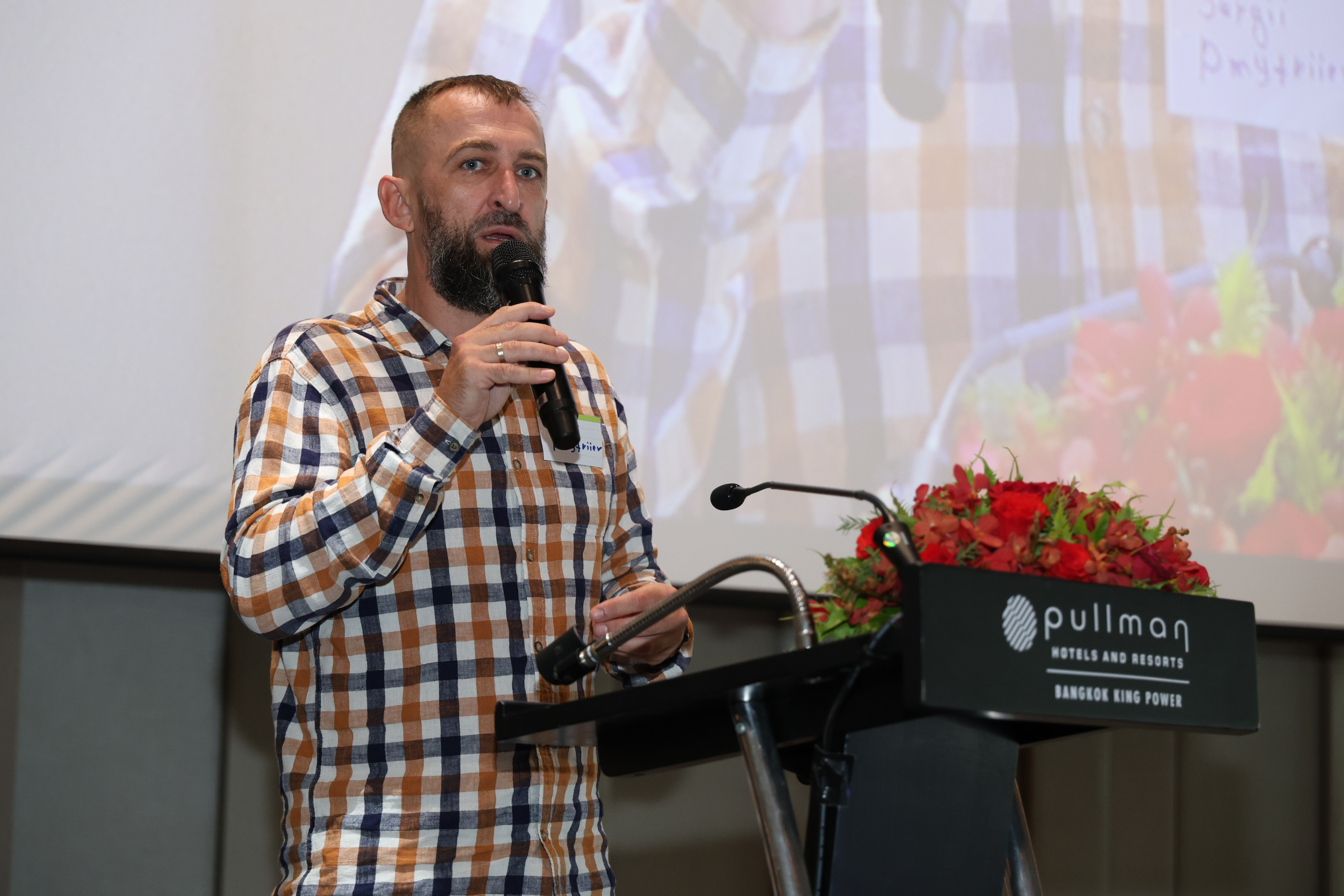
Eamonn Murphy, Regional Director of UNAIDS Asia Pacific and Eastern Europe Central Asia echoed this view, noting that CLM “improves healthcare for all”.

“CLM enables people to demand high-quality services and the fulfilment of their human rights, while contributing to a country’s disease programmes and strengthening the health system,” Mr Murphy said. “Countries have to do more to center and domestically fund the work of communities. This is not just for HIV. We are looking at strengthening public health responses.”
Shane Diekman, CDC’s PEPFAR Asia Regional Programme Adviser noted that “effective responses to HIV and AIDS are built on the foundation of community leadership.”

Asia Pacific country teams shared progress, challenges and successful strategies in CLM implementation. In Cambodia, the government credits community-led monitoring with contributing to a marked increase in pre-exposure prophylaxis (PrEP) uptake last year. In Indonesia, PrEP services have expanded to include mobile services, thanks to CLM advocacy. In Thailand, thanks to CLM advocacy, there is a proposal to enhance cervical cancer screening rights, shifting from five year- screenings to three-year testing for individuals aged 25 and older.
Despite significant challenges in the region, partners in EECA have made progress in integrating CLM into national frameworks and strengthening collaboration with government partners. Ukraine, despite the ongoing war, has become a leader in CLM and shared strategies to implement in an emergency context. In Kazakhstan, Kyrgyzstan, and Tajikistan, Multisectoral Working Groups have been established to ensure community-driven data directly inform government HIV responses. In Kazakhstan and Kyrgyzstan, CLM cycles monitoring access to treatment are now in their final stages.
The meeting concluded with a roadmap for implementation, including guidance for key stakeholders.
Community-led organizations leading CLM implementation were encouraged to digitize CLM to enable rapid responses and increase their coverage. They were asked to ensure CLM tools are customized to the needs of specific communities and to develop simple tools that can be easily accepted and adopted. Another key recommendation was adopting a peer-based approach to community mentoring and capacity building.
Government agencies were asked to establish multi-stakeholder CLM working groups, allocate specific budgets for CLM activities and include CLM recommendations in long term strategic planning and policy development.
Technical partners were asked to provide technical support for CLM implementers while promoting their independence. Other recommendations included increasing CLM funding allocations and developing a coordinated approach for funding.



 UNAIDS Asia-Pacific