 UNAIDS Asia-Pacific
PACIFIC ISLAND NATIONS STRENGTHEN COMMITMENT TO ENDING AIDS BY 2030 AT UNAIDS GLOBAL AIDS MONITORING WORKSHOP
NADI, 5 November 2024—Representatives from ten Pacific Island nations, including Fiji, Cook Islands, Samoa, Tonga, Tuvalu, Vanuatu, Solomon Islands, Nauru, Republic of the Marshall Islands (RMI) and Kiribati, convened in Nadi for the UNAIDS Global AIDS Monitoring (GAM) and HIV Estimates Workshop. Running from November 4th to 8th, this regional workshop is supported by the Indo-Pacific HIV Partnership and the Australian Government. It aims to enhance national capacities in HIV data collection, analysis, and reporting, a crucial step in strengthening the Pacific’s health security in the face of Fiji’s rising HIV epidemic.
UNAIDS Goodwill Ambassador for the Pacific, H.E. Ratu Epeli Nailatikau, underscored the urgency of a united response, stating, “Our ability to measure and monitor the HIV epidemic in the Pacific is a lifeline for countless individuals. By strengthening our data systems, we safeguard lives and work toward healthier communities across all our islands.”
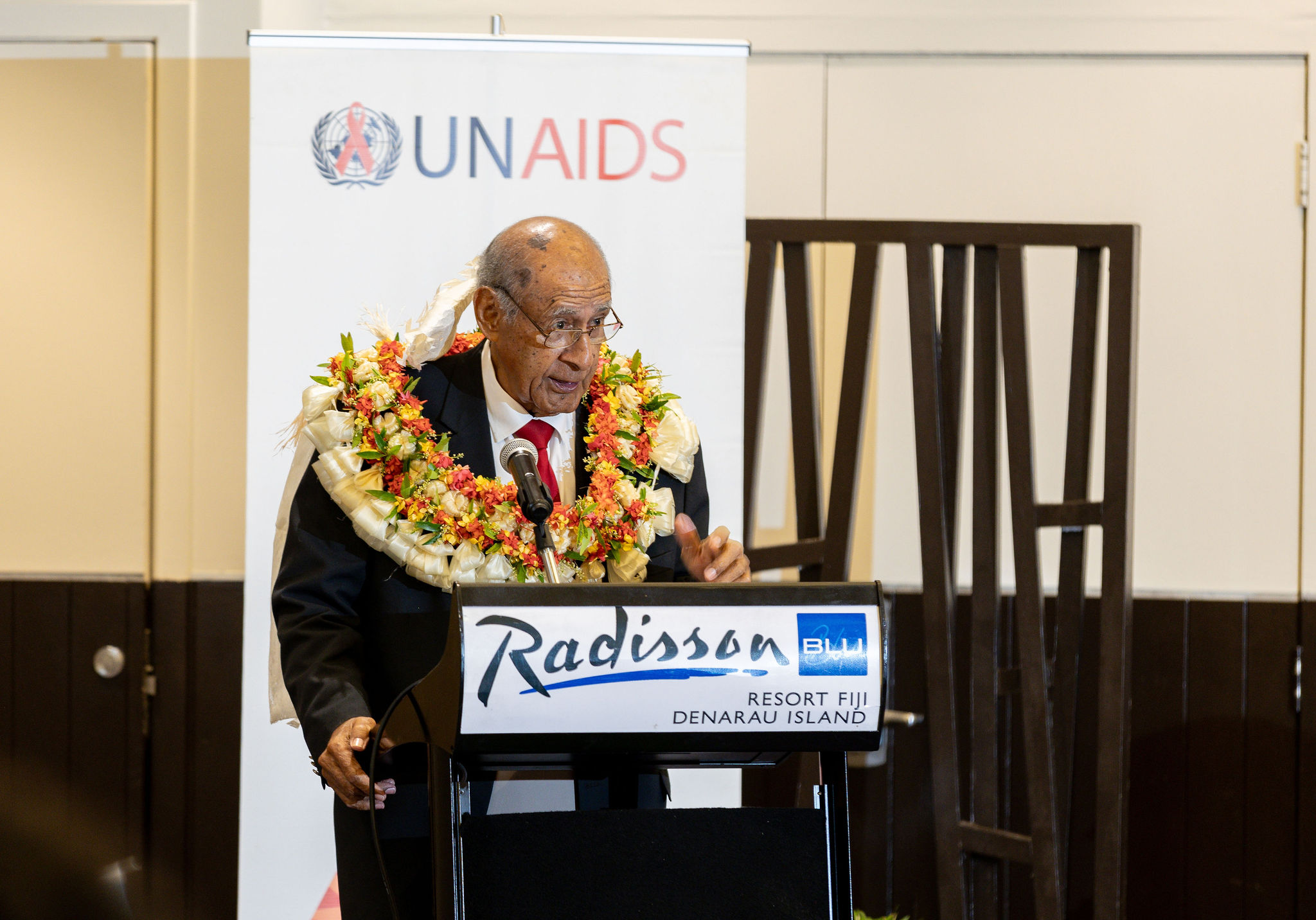
Mr Epeli’s address highlighted the importance of overcoming HIV-related stigma and ensuring access to health services, especially in light of the increasing HIV cases in Fiji. He emphasized that protecting one nation strengthens the entire region, stating, “No Pacific Island is safe unless all Pacific Islands are safe.”
This workshop is facilitated jointly by UNAIDS Regional and Global Centre experts will provide HIV program representatives with technical skills aligned with UNAIDS’ 2021–2026 Global AIDS Strategy. This will empower them to collect and interpret data crucial for crafting policies that address current and emerging health challenges. Reliable and comprehensive data enable Pacific nations to monitor HIV trends effectively, assess their epidemics’ trends, and take targeted actions to curb transmission. This helps reinforce regional health security.
UN Resident Coordinator, Mr. Dirk Wagener, emphasized the crucial role of the UN system and regional collaboration in the Pacific’s response to HIV.
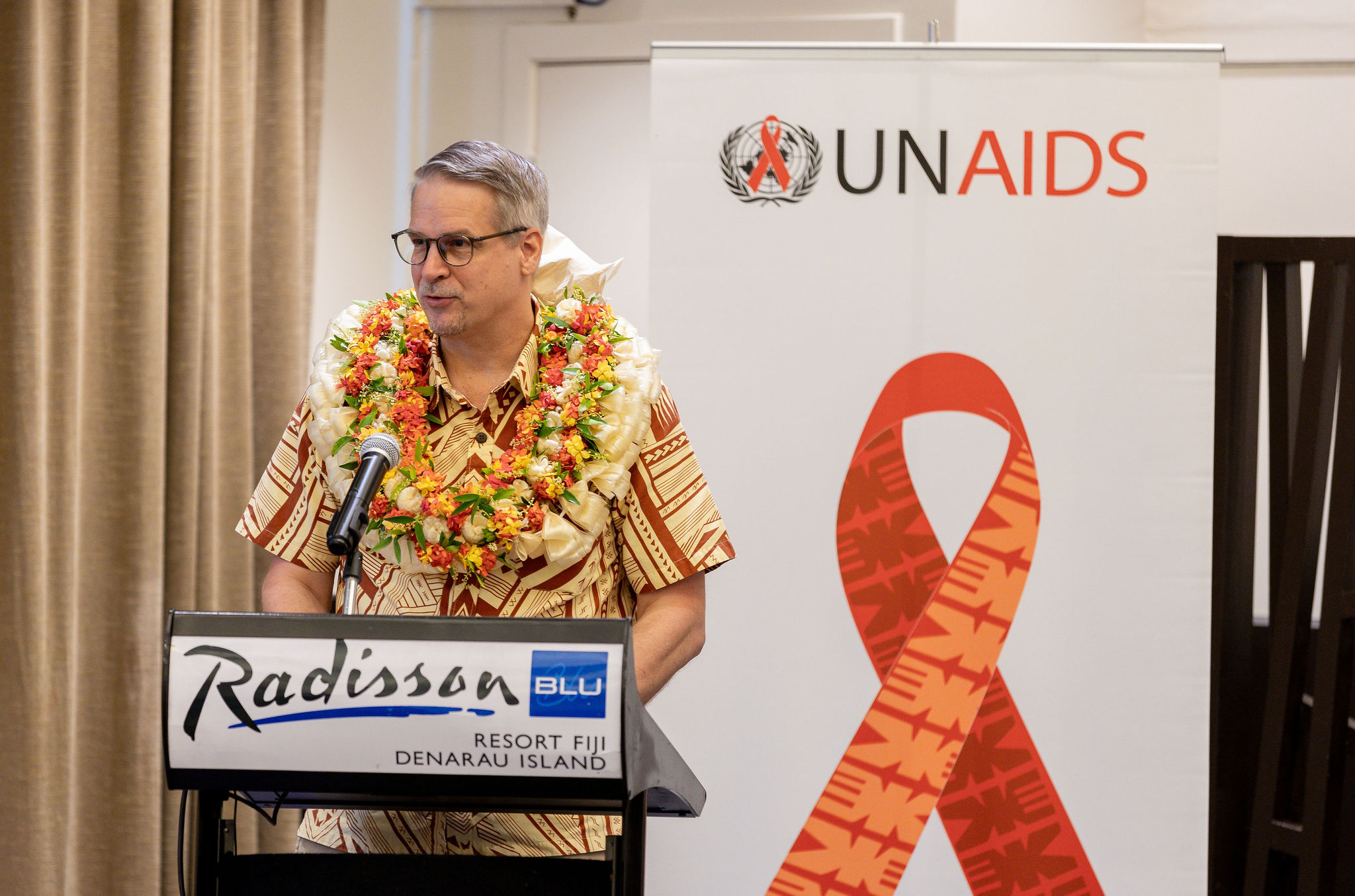
“The UN family stands united in this effort. Alongside UNAIDS, other UN agencies like WHO, UNICEF, UNFPA, UN Women, UNODC, the World Bank, and UNDP have been working together, pooling their expertise to avert new HIV infections and support those living with HIV,” he remarked. Mr. Wagener highlighted the contributions of each agency, noting that collaboration between UN agencies enhances the overall impact of the HIV response across the Pacific.
The workshop also underscores the AUD 2.6 million commitment from the Australian Government through the Indo-Pacific HIV Partnership, which aims to build resilience by supporting regional HIV response capacities. This funding reflects a shared commitment to strengthening the Pacific’s health security framework, with an emphasis on robust data systems, technical expertise, and sustainable health infrastructure.
Over the week, participants will engage in practical training sessions and discussions on GAM indicators, national reporting requirements, and data quality measures, all tailored to the Pacific context. This activity represents a vital, unified effort to build resilience against HIV in the region, contributing to the shared goal of ending AIDS by 2030 and ensuring that no Pacific Island is left behind.



 UNAIDS Asia-Pacific