 UNAIDS Asia-Pacific

This isn’t your mother’s clinic.
Read More
U=U—undetectable = untransmittable—is a powerful public health intervention. It means that people living with HIV (PLHIV) who achieve an undetectable viral load through consistent treatment and monitoring are not only healthy, but unable to pass on the virus.
Read More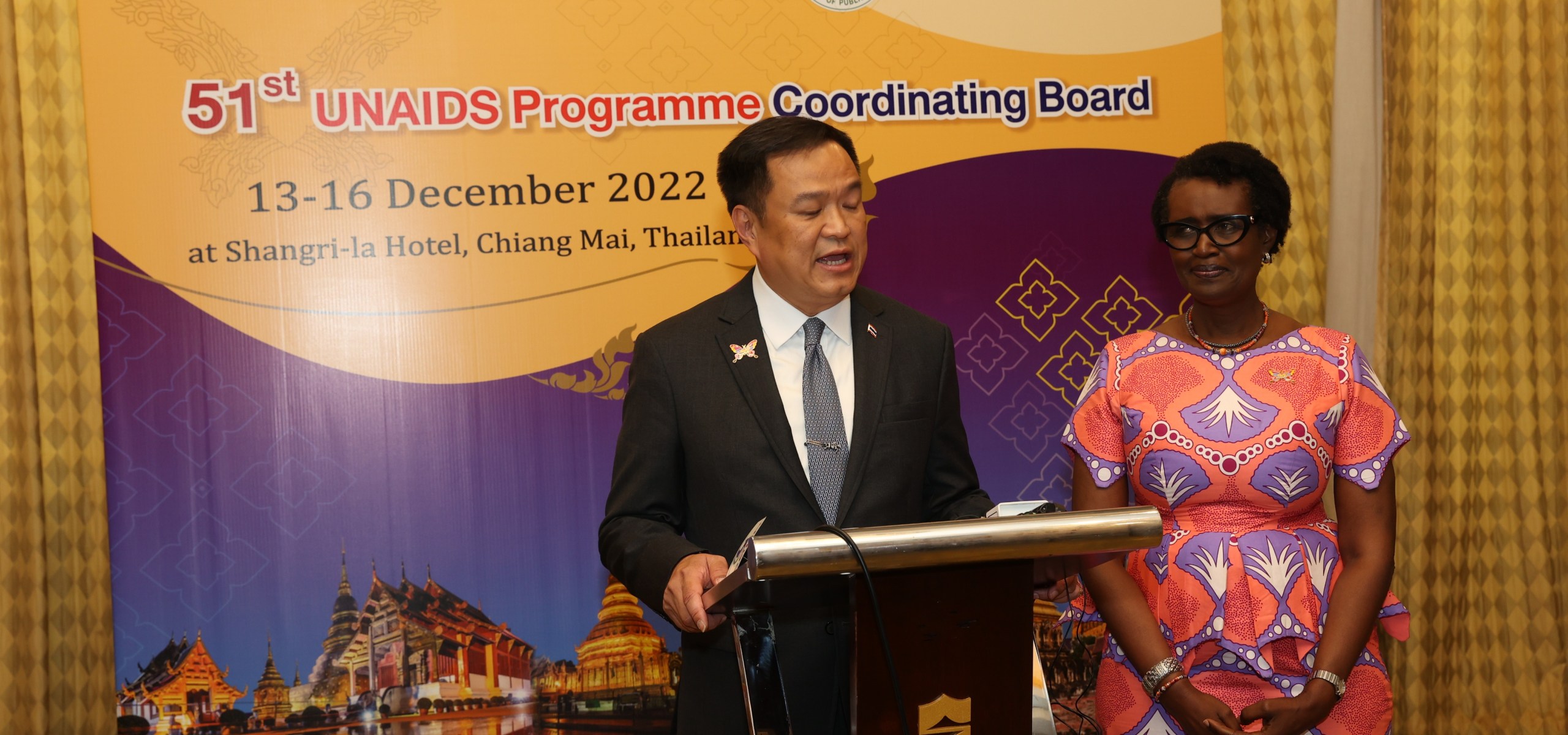
BANGKOK, 11 December 2022—The 51st meeting of the UNAIDS Programme Coordinating Board (PCB) will be held from December 13 – 16 in Chiang Mai, Thailand. The meeting is hosted by the Government of Thailand as Chair of the 2022 PCB. It is the first time in 14 years that the board will meet outside Geneva, Switzerland and the second time it will be in Chiang Mai.
Read More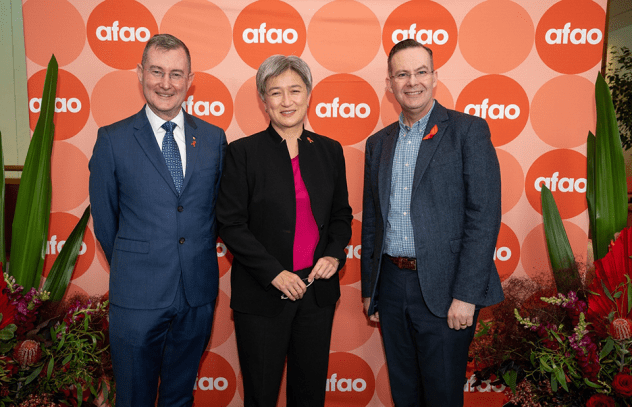
UNAIDS and the Australian Government have signed a new five-year strategic partnership agreement to advance efforts to respond to HIV in the Asia-Pacific region. The agreement will help to intensify efforts to get back on track to end AIDS by 2030, by addressing the inequalities that hamper the global HIV response.
Read More
BANGKOK, 1 December 2022—The 2022 UNAIDS World AIDS Day report reveals that inequalities are obstructing the end of AIDS. On current trends the world will not meet agreed global HIV targets. However, urgent action to tackle inequalities can get the AIDS response on track.
Read More
This report, which marks World AIDS Day 2022, unpacks the impact that gender inequalities, inequalities faced by key populations, and inequalities between children and adults have had on the AIDS response. It is not inevitable, however, that these inequalities will slow progress towards ending AIDS. We know what works—with courage and cooperation, political leaders can tackle them. Read press release.
Read More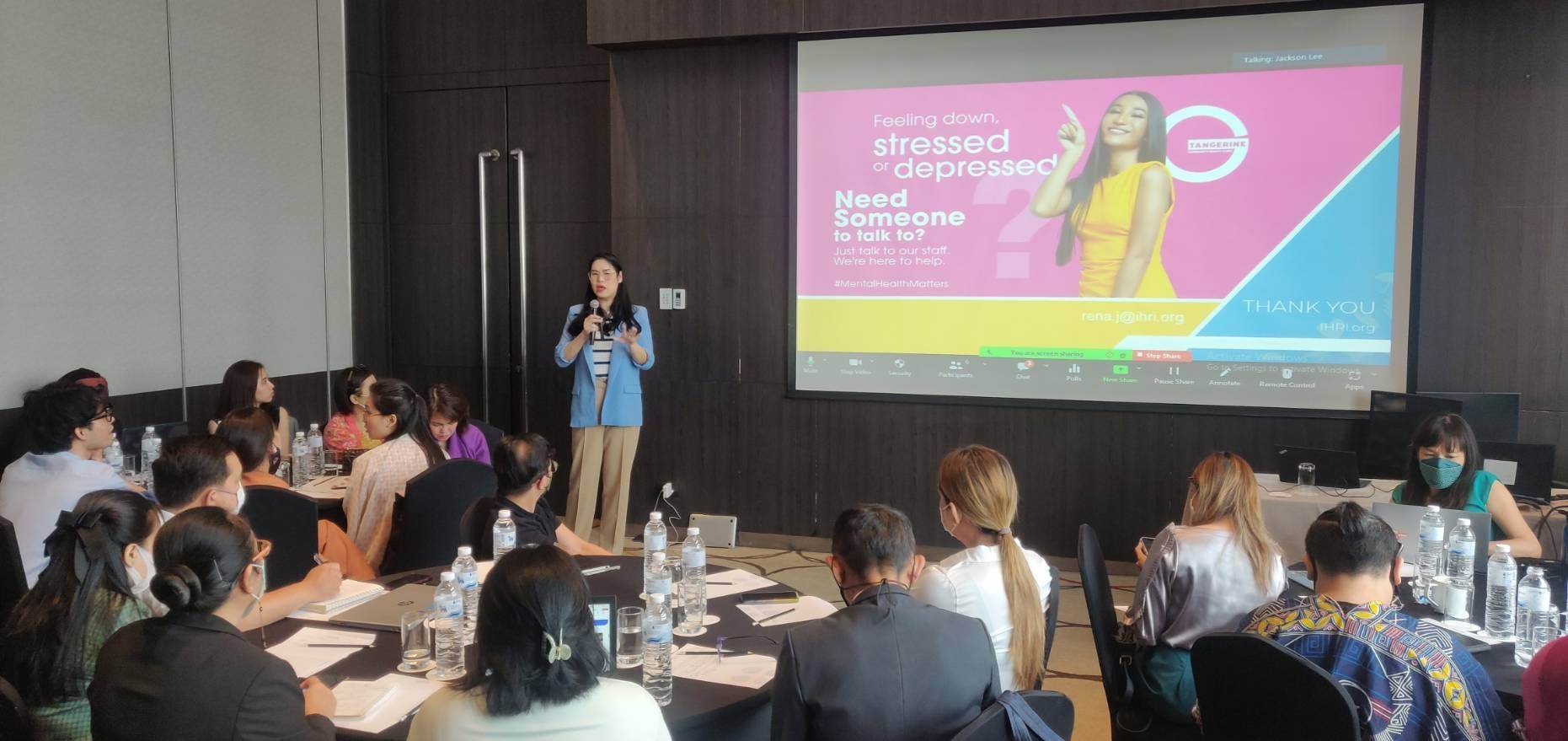
The Southeast Asia Stigma Reduction Quality Improvement (QI S & D) Community of Practice held its eleventh meeting in Bangkok, Thailand from November 23 to 25, 2022.
Read More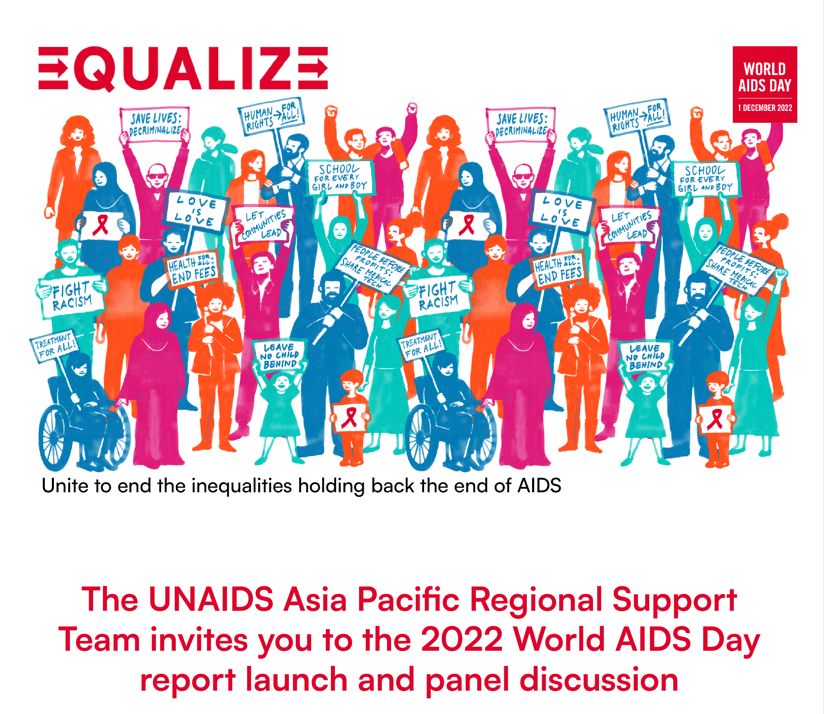
UNAIDS’ World AIDS Day report 2022 will be launched for the Asia Pacific region on Wednesday, 30th November in Bangkok, Thailand. The report is called ‘Dangerous Inequalities’ and reveals that inequalities are obstructing the end of AIDS. On current trends the world and region will not meet agreed global targets on AIDS. Millions of lives are at stake. The new UNAIDS report shows that only urgent action to tackle inequalities can get the world’s AIDS response on track. It shows how world leaders can tackle those inequalities and calls on them to be courageous in doing so.
Read More



 UNAIDS Asia-Pacific