 UNAIDS Asia-Pacific
Archives
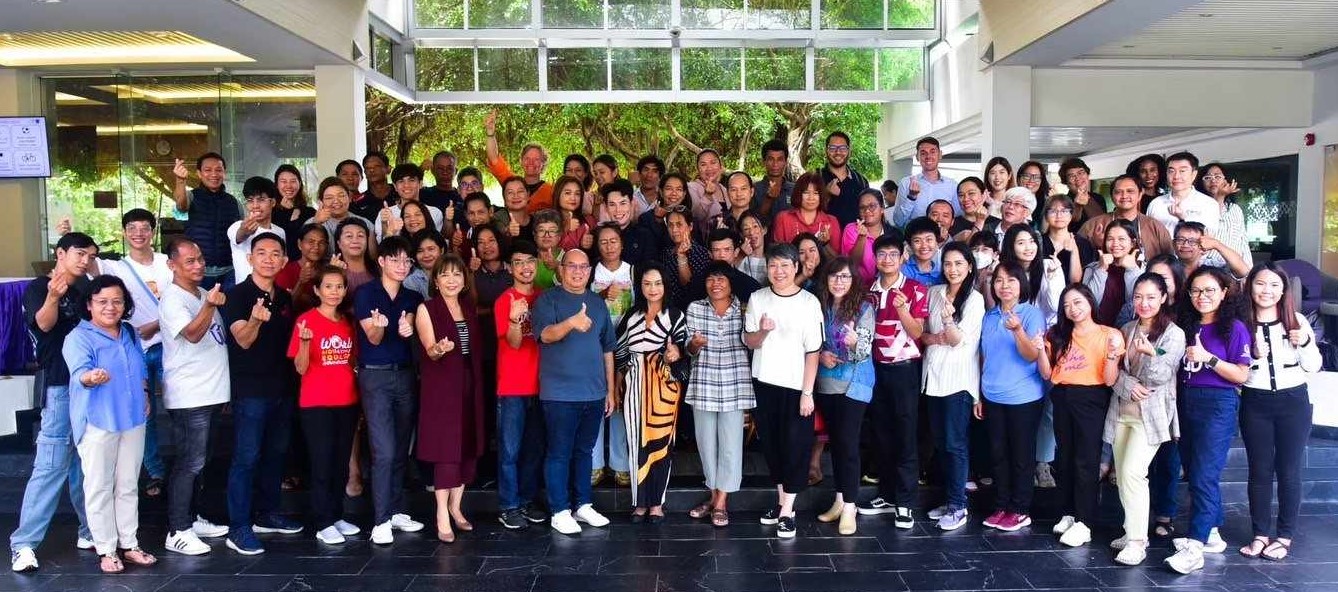
A woman living with HIV shows up to her community clinic for antenatal care. The nurses ask why she got pregnant. A man living with HIV goes to his dental appointment. He arrives first, but the staff treat him last. A young transgender woman learns she is HIV positive. She was already scared about how she would be treated. Now she’s doubly terrified. A man living with HIV is hopeful when… Read More

In 2020, a gay Thai man living with HIV sparked controversy with a Facebook post. He was on antiretroviral therapy and had gotten lab tests to check the level of virus in his blood. Since his viral load was undetectable, he wrote, he was going to stop using condoms.
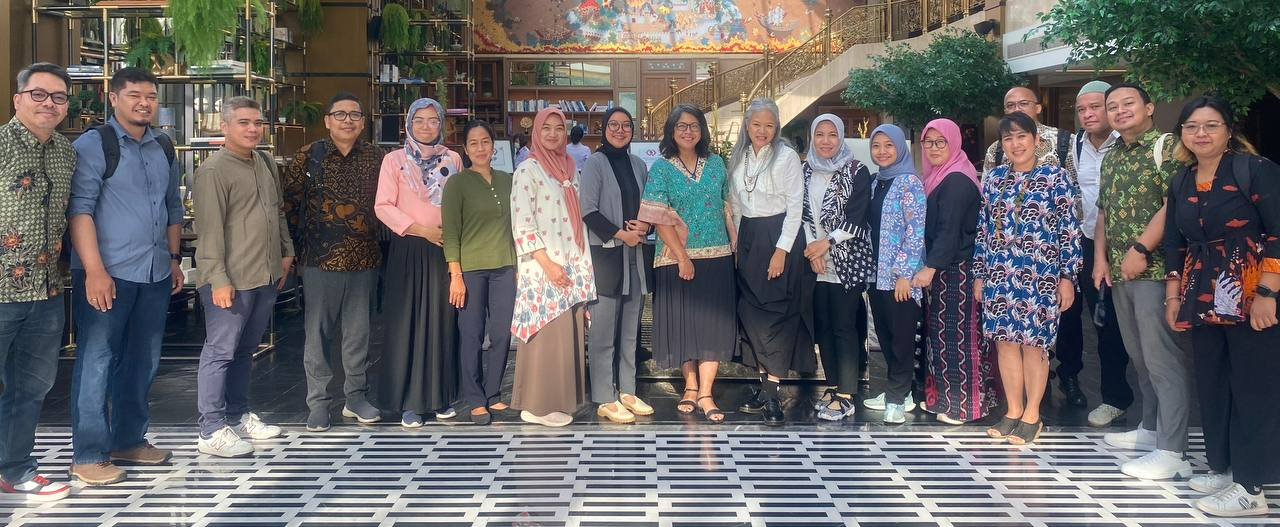
Thailand’s HIV response can provide important learning for other Southeast Asian countries, with the experience of having already reached 90-90-97 in the treatment cascade in 2022, on the way to the achieving the “triple 95s”. The country was first in the region to eliminate mother-to-child HIV transmission. AIDS-related deaths have declined by 65% since 2010. With support from Australia’s Department of Foreign Affairs and Trade (DFAT), UNAIDS helped organise for Thailand to… Read More

GENEVA/BANGKOK, 13 July 2023—A new report released today by UNAIDS shows that there is a clear path that ends AIDS. This path will also help prepare for and tackle future pandemics and advance progress towards achieving the Sustainable Development Goals. The report, ‘The Path that Ends AIDS’, contains data and case studies which highlight that ending AIDS is a political and financial choice, and that the countries and leaders who are already… Read More
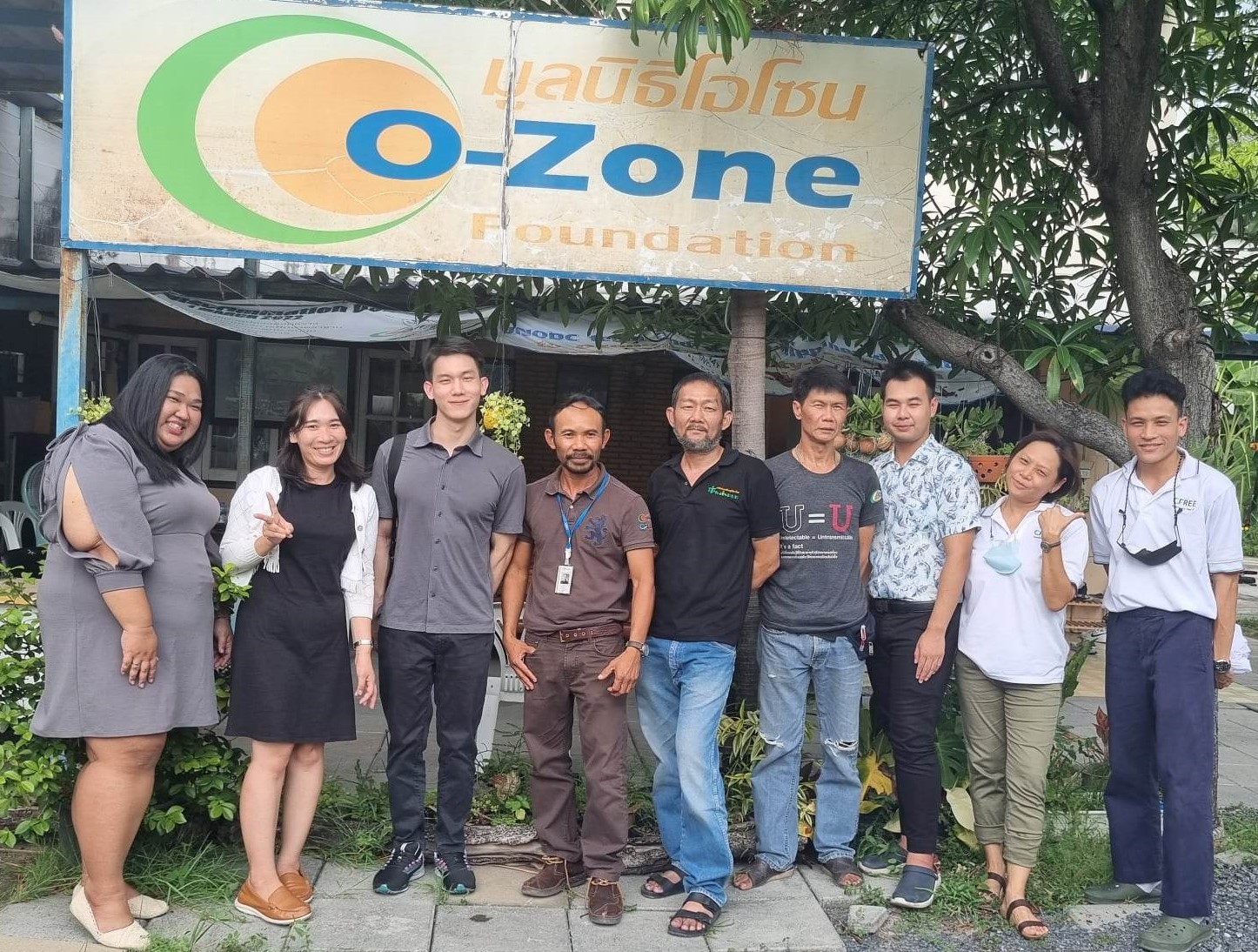
At the Ozone Foundation clients talk about their drug use with as much openness as they discuss their jobs or families. In the yard of their Bangkok drop-in centre we sit under the cannon ball tree. Prapat Sukkeang shares his story first.
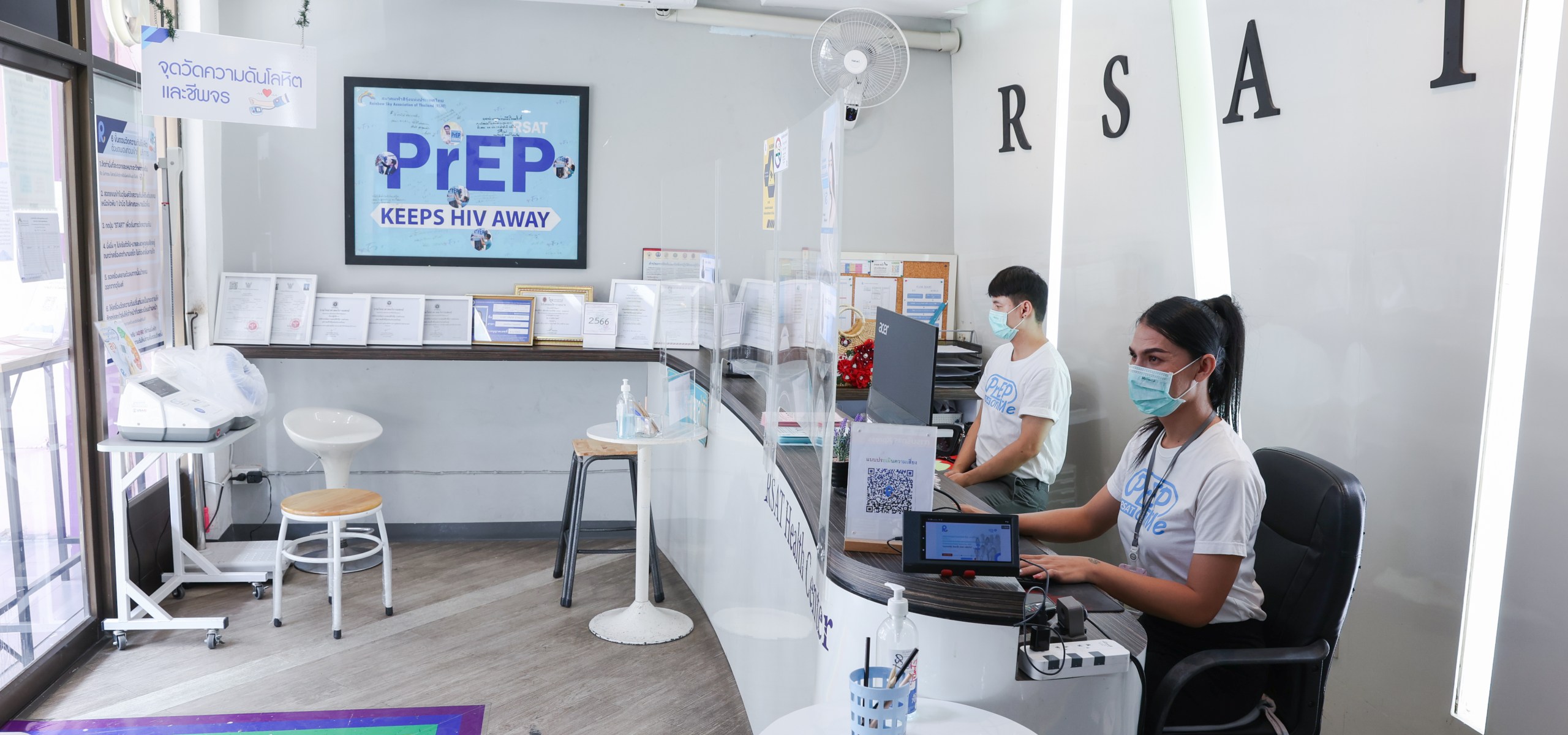
At his previous factory job, Tom Wang (not his real name) says coworkers gossiped about his sexuality and made fun of him. When he visited a public health facility for an HIV test, the nurse peppered him with questions like “Why do you need it? Have you been sleeping with many partners?”
For 20 years Kochaphan Wangtan has been a community health worker, serving other people living with HIV (PLHIV) in Thailand.
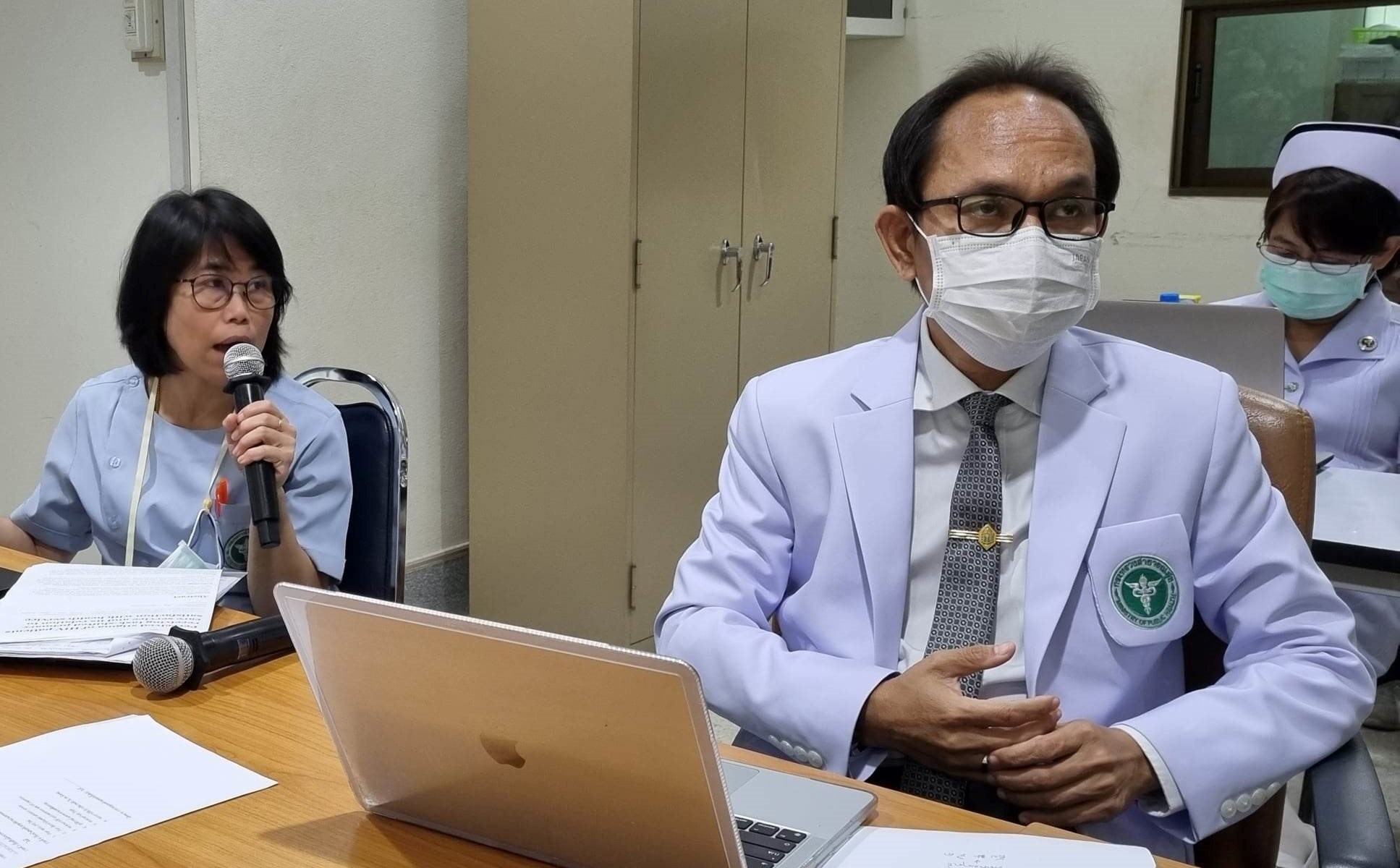
The Sanpatong Hospital in North Thailand has reinvented and refined its HIV programme for more than three decades. It began attending to people living with HIV in 1989, and in 1996 started offering antiretroviral treatment.



 UNAIDS Asia-Pacific