 UNAIDS Asia-Pacific
Eight countries share strategies to end HIV-related stigma and discrimination
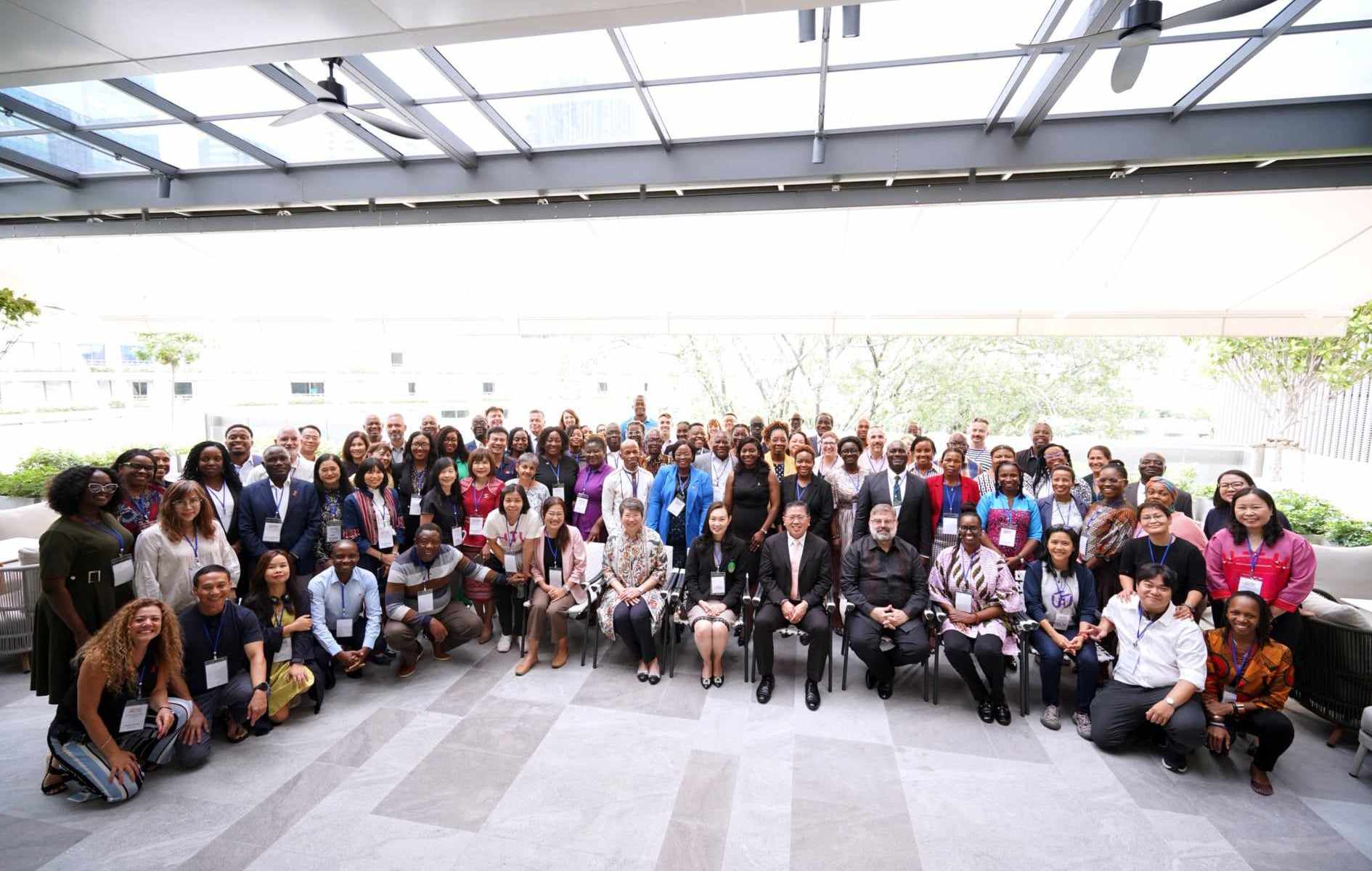
Teams from Botswana, Ghana, Ivory Coast, Jamaica, Mozambique, South Africa, Thailand and Zambia have shared pathways to lowering HIV-related stigma and discrimination as part of a novel learning exchange. From September 17 to 20 in Bangkok, Thailand, community and government partners, together with UN and development partners from each country traded notes on their work to tackle prejudice and rights violations in healthcare, community, education, employment, justice and emergency settings. The teams made several country-specific commitments, including using evidence-based approaches to ensure their stigma and discrimination reduction work is better coordinated, mapped, evaluated and publicized.
This was an initiative of the Focal Countries Collaboration (FCC), a momentum-building approach coordinated by the Global Partnership for Action to Eliminate all Forms of HIV-related Stigma and Discrimination. The Global Partnership enhances collaboration and planning to achieve the Global AIDS Strategy’s societal enabler targets. These goals reflect UN Member States’ commitments to address the structural factors that are driving HIV transmissions and vulnerability, including stigma and discrimination, discriminatory laws, gender-based violence and gender inequality. The FCC fosters cross-country learning and partner coordination to identify and replicate successful approaches.
“In the face of well-organized anti-rights movements and dwindling resources, strong partnerships will be our most valuable asset,” said Eamonn Murphy, Regional Director of UNAIDS Asia Pacific and Eastern Europe Central Asia at the opening ceremony. “What we need in every region is for the countries in this room to take their place as AIDS response leaders… consistently share with our neighbours.”
Every minute a person dies from AIDS-related causes. In 2023 there were 1.3 million new HIV infections, while almost quarter of those living with HIV—9.3 million people—were not receiving life-saving treatment. Although we have the tools to end AIDS as a public health threat, many people living with HIV (PLHIV) and key populations are still being left behind because of discrimination, exclusion and fear. (The key populations are communities at a higher risk for HIV infection including men who have sex with men, people in prisons and closed settings, people who inject drugs, sex workers and transgender people.)
Speaking on behalf of the host country, Dr Niti Haetanurak, Department of Disease Control Deputy Director, noted that Thailand has strengthened its commitment to an “all of society” approach to end stigma and discrimination. The country is now implementing a costed national action plan to get there by 2030.
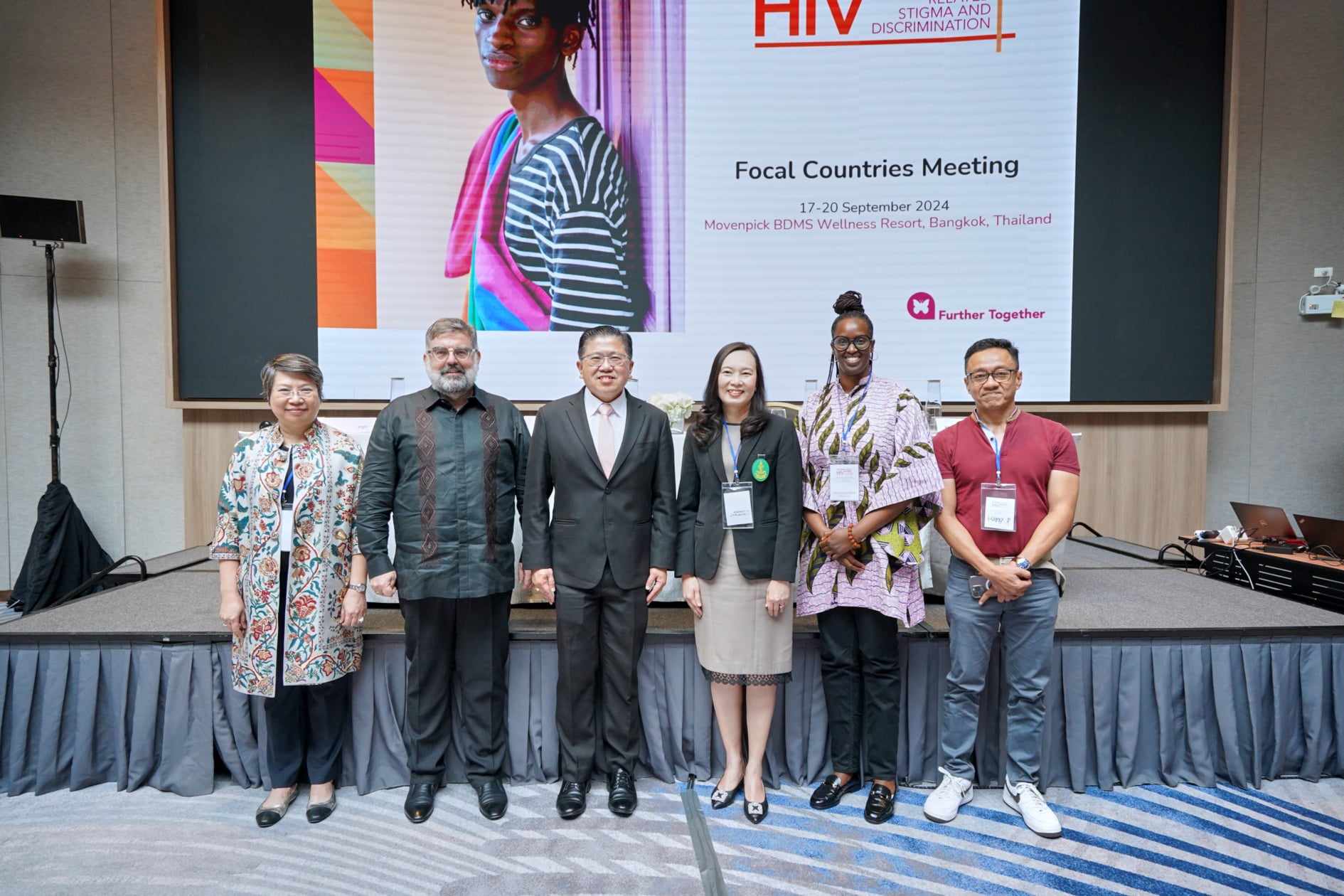
“A highly effective strategy to improve the lives of people living with HIV is U=U. In 2025 Thailand will advance awareness about U=U, using community to help us reach our goal faster,” Dr Niti said. (U=U stands for “undetectable = untransmittable”. It means that when a person living with HIV and receiving treatment achieves an undetectable viral load, there is no possibility that they will pass on the virus through sex.)
Harry Prabowo, Programme Manager of the Asia Pacific Network of People living with HIV (APN+), called on countries to ensure meaningful community leadership.
“Young people, people living with HIV and key populations are not merely beneficiaries,” Mr Prabowo stressed. “Their experiences and leadership are vital and will be the driving force to achieve a future free from stigma and discrimination.”
UNAIDS’ Head of Human Rights, Umunyana Rugege, pointed to the range of interventions needed for a comprehensive response to address stigma and discrimination. They include addressing the criminalization of PLHIV and the key populations, ensuring equitable access to HIV services and promoting community-led responses. Partners must also ensure funding is allocated to gather vital data and sustain progress. During the learning exchange countries learned how to use new Global Partnership tools including the Practical Guide to ending HIV-related Stigma and Discrimination and the Monitoring and Evaluation guidance.
Country teams took a deep dive into the Thai experience, visiting community and state-run organizations to understand how their work fits into a comprehensive, national plan.

This meeting received support from the U.S. President’s Emergency Plan for AIDS Relief (PEPFAR), the Centers for Disease Control and Prevention (CDC), the Global Fund to Fight AIDS, Tuberculosis and Malaria (Global Fund), UNAIDS and the International AIDS Society (IAS). As part of the FCC’s ongoing work, teams will receive technical support to implement their country-specific commitments.



 UNAIDS Asia-Pacific