UNAIDS Asia-Pacific
Archives
One quarter of people still lacking HIV treatment globally live in the region, while rising epidemics and financial pressure on prevention programmes threaten further progress RIO DE JANEIRO/BANGKOK, 27 July 2026—One quarter of all people globally who were still not receiving HIV treatment in 2025 lived in Asia and the Pacific, while an estimated 280,000 people acquired HIV in the region, according to new UNAIDS data released today. The findings are contained in United to end AIDS,… Read More
Dr Saia Ma’u Piukala, WHO Regional Director for the Western Pacific RegionEamonn Murphy, UNAIDS Regional Director for Asia-Pacific and Eastern Europe and Central Asia Manila, 19 June 2026 – “UNITED TO END AIDS”, a new UNAIDS report released ahead of the 2026 UN General Assembly High-Level Meeting on HIV/AIDS, sends a clear warning: progress against AIDS is real but fragile. The devastating funding disruptions of 2025 have exposed how vulnerable HIV responses remain. Countries have moved quickly to protect treatment when… Read More
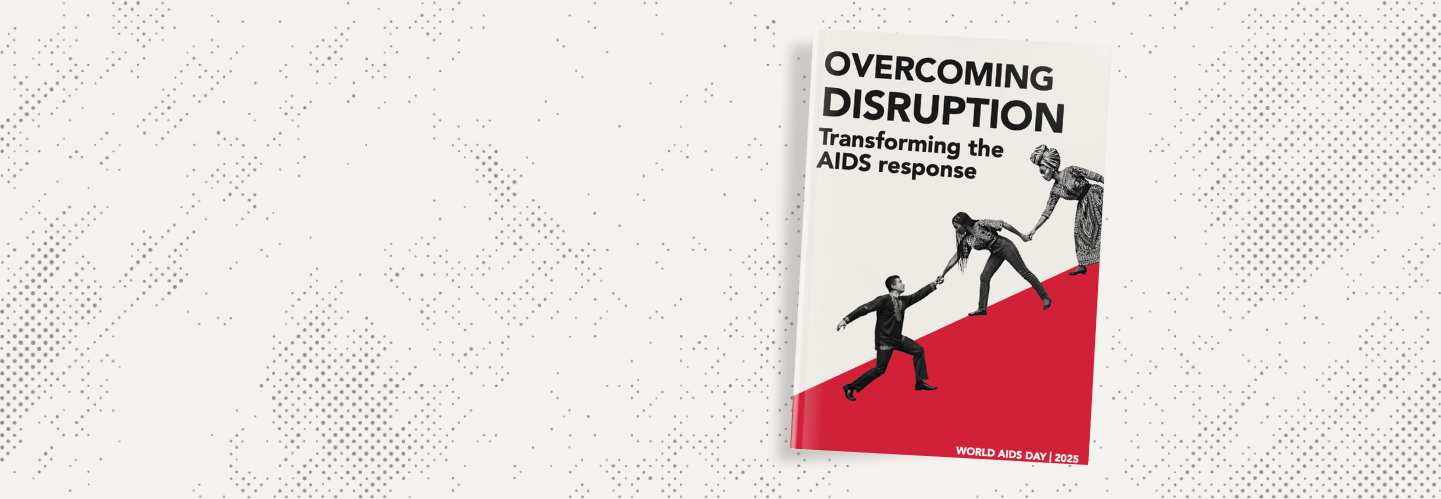
Asia-Pacific faces a dangerous financial squeeze that is undermining prevention and community support GENEVA/BANGKOK, 26 November 2025—The AIDS response has suffered its most serious setback in decades, warns a new UNAIDS report released ahead of World AIDS Day (1 December). Overcoming Disruption, Transforming the AIDS Response details how a sharp fall in international funding is hitting low- and middle-income countries hardest and threatening to reverse hard-won gains.
WHO and UNAIDS convene partners to explore solutions to the Region’s HIV crisis NADI, Fiji, 22 October 2025 — The World Health Organization (WHO) Regional Office for the Western Pacific and UNAIDS Asia-Pacific have convened a range of stakeholders here to confront the Region’s HIV crisis amid growing national epidemics. Held during the seventy-sixth session of the WHO Regional Committee for the Western Pacific and at the request of the Fiji Ministry… Read More
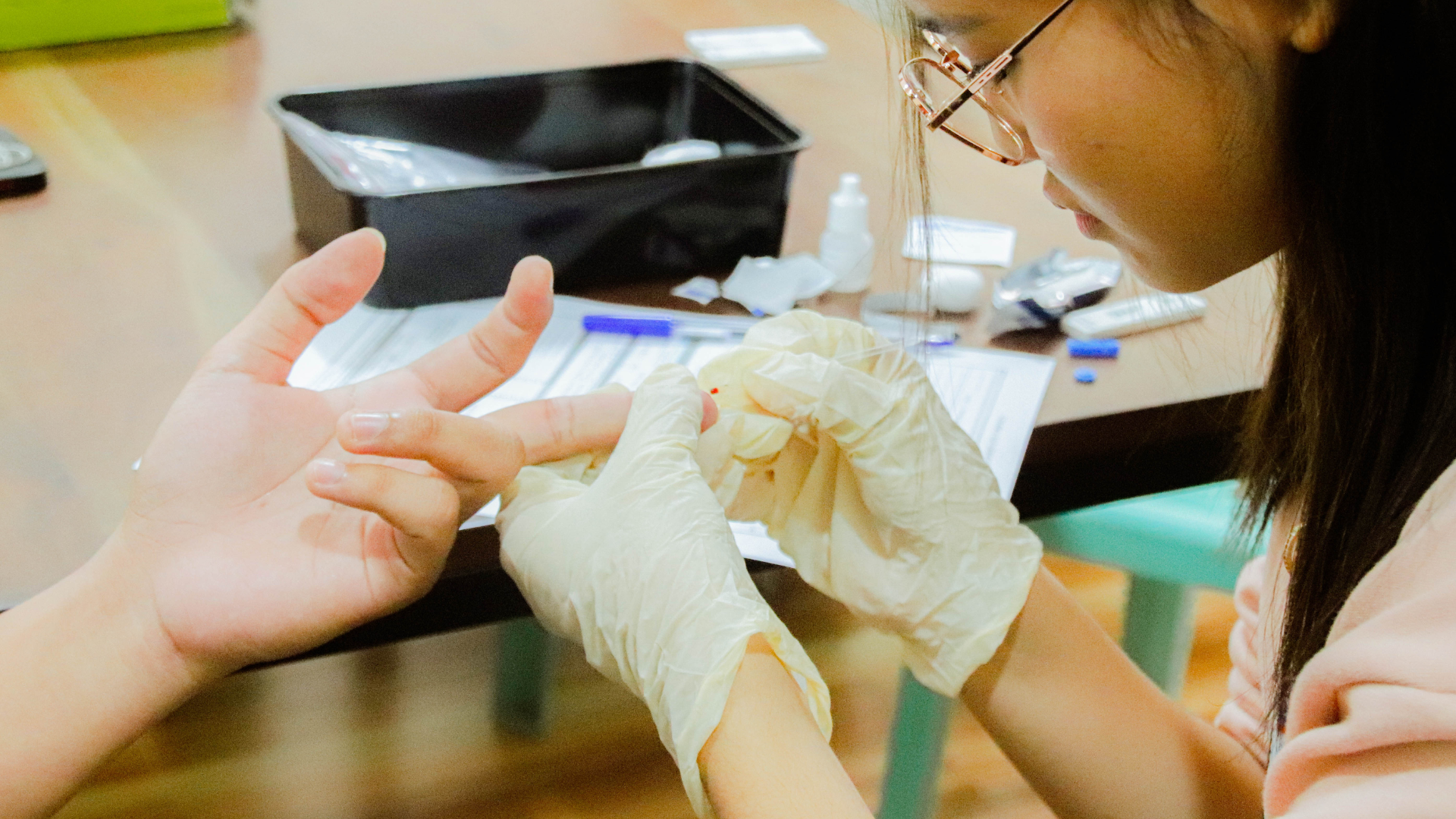
This case study is featured in the 2025 Global AIDS Update “We will focus on treatment!”

PORT MORESBY, 26 June, 2025—New data reveal alarming rise in cases, particularly among women and children, with mother-to-child transmission rates critically high.

BANGKOK, 10 April, 2025—Every child deserves the best start to a healthy life, free from preventable diseases and infections. To this end, today the WHO, UNICEF and UNAIDS launched the Regional Roadmap for the Triple Elimination of Mother-to-Child Transmission (EMTCT) of HIV, Syphilis and Hepatitis B in the Asia and Pacific Region (2024–2030). This resource offers guidance to strengthen national strategies and operational plans to end these three diseases among children in… Read More

“In our country we are not the priority,” Daisy Cruz says plainly. She is surrounded by other women living with HIV who agree. They share stories that are not often told about the epidemic in Asia and the Pacific. In a region where men living with the virus outnumber women roughly two to one, the issues of women and girls are often overlooked. They are all members of the International Community of… Read More