 UNAIDS Asia-Pacific
As the AIDS response faces uncertainty, Asia Pacific countries update HIV evidence
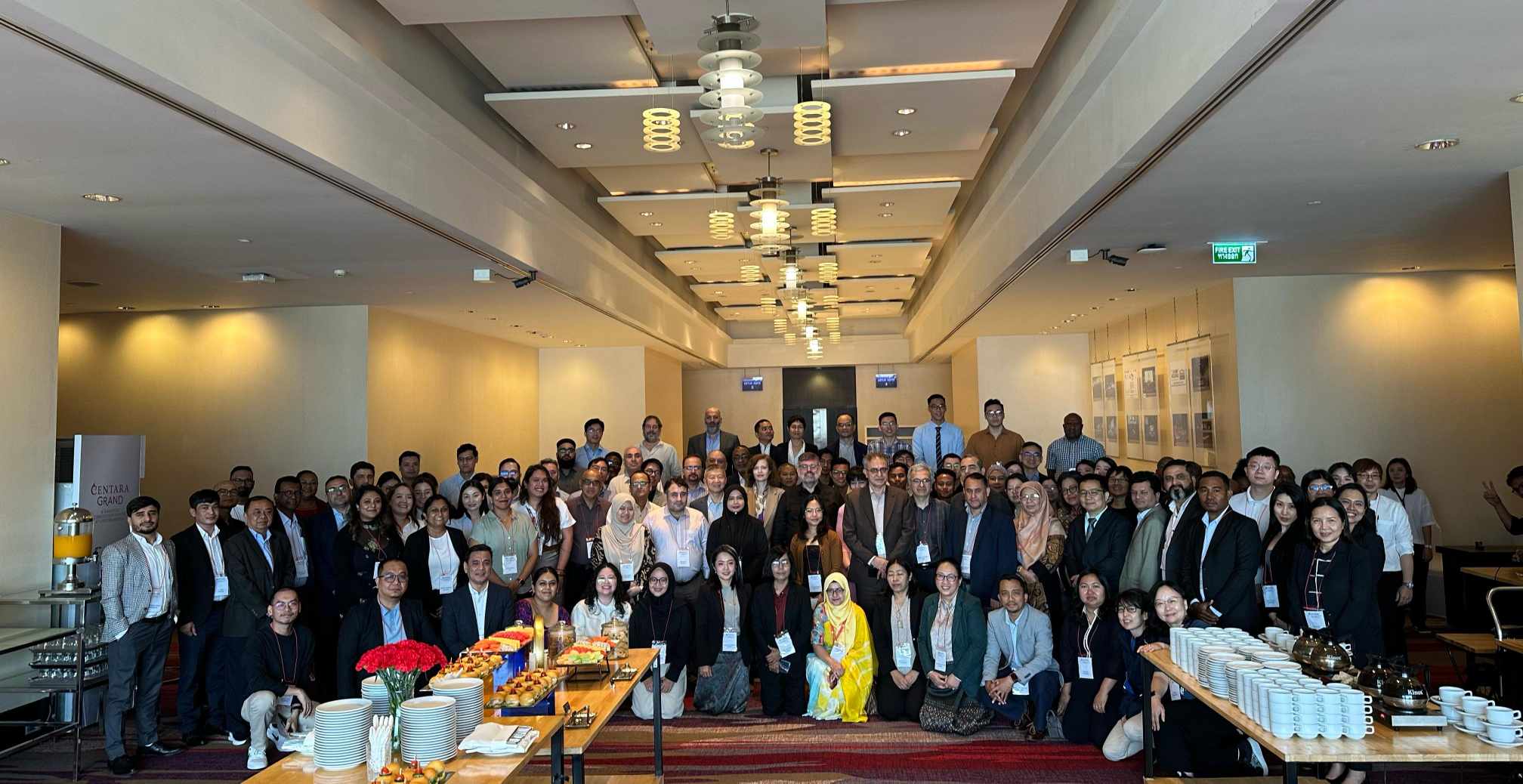
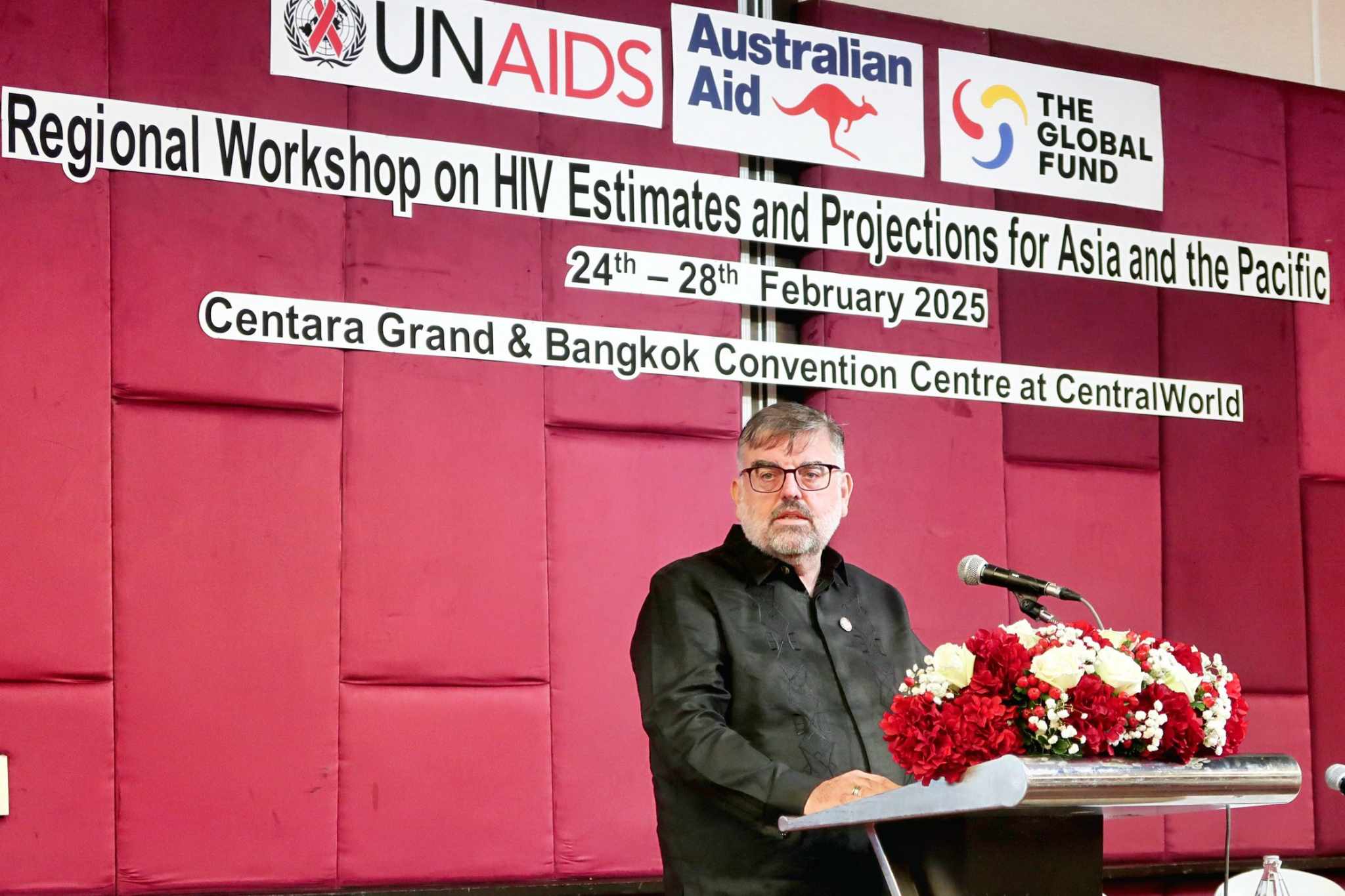
BANGKOK, February 28, 2025—Accurate, recent HIV data are especially critical as countries in Asia and the Pacific respond to rising new infections and mobilise funding. Teams from twenty-three Asia Pacific countries have been trained and supported to generate updated estimates of their HIV epidemics and responses. Held in Bangkok, Thailand from February 24th to 28th, the regional workshop was hosted by UNAIDS with support from the Australian Government.
“With five years to the 2030 Sustainable Development Goal target of ending AIDS as a public health threat, the HIV response is being tested,” reflected Eamonn Murphy, Regional Director of UNAIDS Asia Pacific and Eastern Europe Central Asia. “Will the region sustain its gains? Will we pick up the pace? Or will we stumble, throwing away the remarkable progress of the last two decades and the promise of an AIDS-free generation? We hope the evidence generated through this process will spur leaders and inspire partnerships.”
Through this process which continues over the next three months, HIV estimates will be updated for 2024 and published in July.
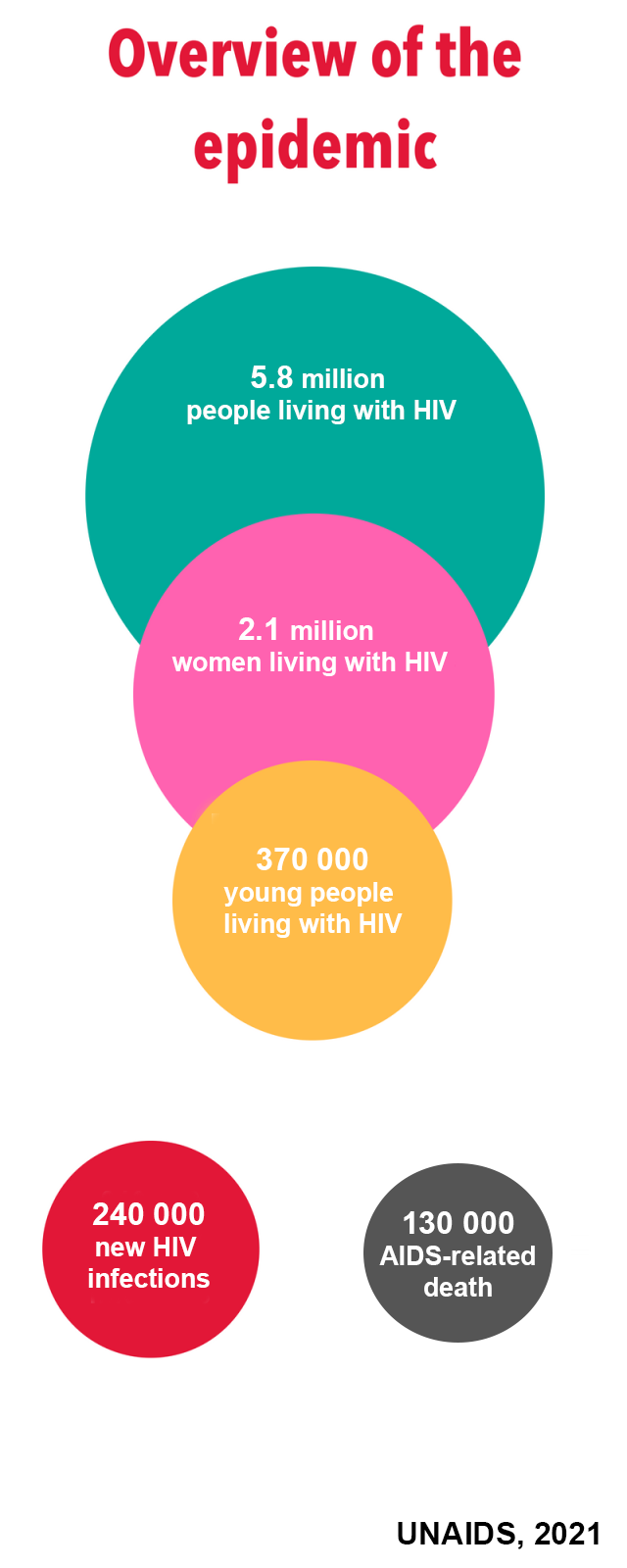
In 2023 there were 6.7 million people living with HIV in the region. Every two minutes another person was newly infected—an estimated 300,000. One out of every five (22%) people living with HIV in Asia Pacific were not aware of their status while one-third (33%) were not yet on treatment.
Between 2010 and 2023 there was a modest 13% drop in new HIV infections for the region as a whole. Afghanistan, Bangladesh, Fiji, Lao PDR, Papua New Guinea and the Philippines are among the countries with growing HIV epidemics. While in other countries new HIV infections are reducing overall, there are increasing or slow declining epidemics among specific groups in some places. Despite the urgent need to reduce new HIV infections, prevention investments and interventions remain inadequate. Access to combination HIV prevention and treatment services among the most vulnerable groups remains limited, ranging from 21% to 47%. Pre-exposure prophylaxis or PrEP is medicine taken by HIV-negative people to avoid contracting the virus. Yet in 2023 there were just 204,000 PrEP-users in the region.
Through the Australian Government’s Indo-Pacific HIV Partnership, UNAIDS is supporting five countries to scale up comprehensive prevention approaches. Mr Murphy expressed thanks to the Australian Government for supporting the HIV Estimates Workshop.
These HIV estimates will be used for National Strategic Plan target-setting, monitoring AIDS responses and reporting on the Sustainable Development Goal target of ending the AIDS epidemic as public health threat. The HIV estimates are used to apply for funding and progress reporting to the Global Fund, the United States President’s Emergency Plan For AIDS Relief (PEPFAR) and other donors.
END



 UNAIDS Asia-Pacific