 UNAIDS Asia-Pacific
New five-year roadmap guides Asia Pacific countries toward elimination of mother-to-child HIV, syphilis and hepatitis B transmission

BANGKOK, 10 April, 2025—Every child deserves the best start to a healthy life, free from preventable diseases and infections. To this end, today the WHO, UNICEF and UNAIDS launched the Regional Roadmap for the Triple Elimination of Mother-to-Child Transmission (EMTCT) of HIV, Syphilis and Hepatitis B in the Asia and Pacific Region (2024–2030). This resource offers guidance to strengthen national strategies and operational plans to end these three diseases among children in the five years left to meet the 2030 Sustainable Development Goal target.
The roadmap assesses how 21 focus countries across Asia Pacific have progressed in eliminating mother-to-child transmission of HIV, syphilis and hepatitis B since 2018. To achieve this, there should be access to antenatal screening of all women and their partners for the three diseases, prompt treatment, safe delivery and infant feeding options as well as appropriate infant preventative treatments (prophylaxis) and vaccines.
Thailand, Malaysia, Sri Lanka and the Maldives have already achieved dual elimination of HIV and syphilis mother-to-child transmission and are now preparing for hepatitis B validation. Bhutan, Cambodia, China and Mongolia, are also making solid progress and are either close to being, or on-track. However, while other countries have demonstrated commitment, they still face significant challenges and require additional support from global and regional health stakeholders to accelerate progress.
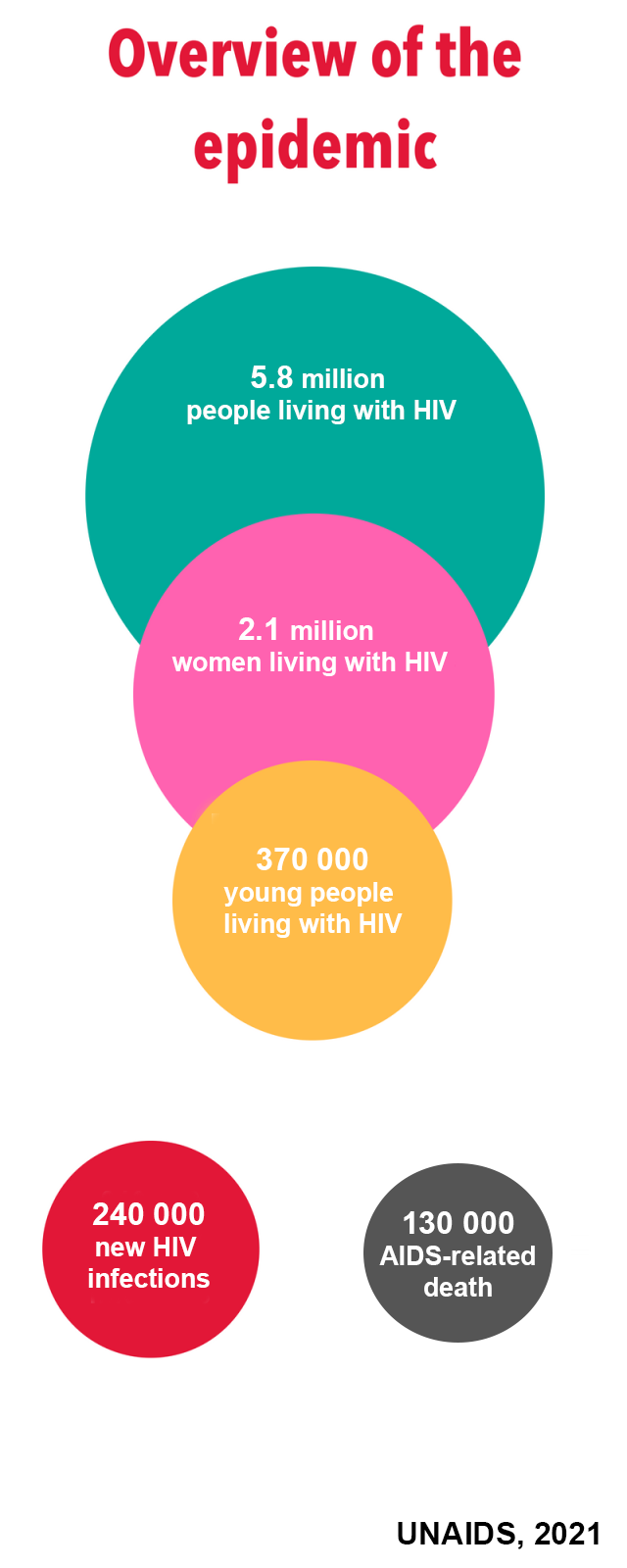
UNAIDS estimates that prevention of mother-to-child transmission services have averted nearly 72,000 new HIV infections among children in the region since 2015. Yet in 2023, approximately 10,000 children were newly infected.
“Around 30 children contract HIV every day in this region,” said Eamonn Murphy, UNAIDS Regional Director for Asia Pacific and Eastern Europe Central Asia. “No child should begin life with a disease we can prevent, and no family should miss out on the information, services and support to give their children an HIV-free start.”
The roadmap points to the need for increased syphilis and hepatitis B monitoring as well as for hepatitis B strategies to be integrated into programmes and policies to prevent mother-to-child transmission. Some of the world’s highest prevalence countries for hepatitis B are in Asia Pacific. For most countries where antenatal data were available for all three diseases, hepatitis B was the most prevalent infection, with rates sometimes several times greater than HIV or syphilis.
The roadmap outlines seven strategic priorities to guide national action. These include policy leadership, universal service access, integration with reproductive and child health systems, community engagement and strengthened monitoring. It also provides operational guidance to support countries at various stages of implementation, from initial planning to validation and sustainability. Strengthened social protection mechanisms and implementation of human rights protections are also required.
“Unfortunately, health is a huge privilege. Poor people don’t have access to information and we are still facing a lack of equity in the healthcare system. Women living with HIV face stigma and discrimination including gender-based violence and gender-based inequalities,” explained Aya Oktariani, National Coordinator of Iktan Perempuan Positif Indonesia (the Indonesia Positive Women Network or IPPI).
IPPI shows how community-led services can strengthen prevention of mother-to-child transmission services. Their Mother Club ensures women living with HIV access treatment and maternal health services while ensuring their babies receive HIV prophylaxis and Early Infant Diagnosis.
Regional success in achieving elimination will rely on the collaborative efforts of all key stakeholders and the involvement of communities, affected individuals and women. Only then can we truly build a generation in which all children and their families are protected and thriving.
END



 UNAIDS Asia-Pacific