UNAIDS Asia-Pacific

BANGKOK, 10 April, 2025—Every child deserves the best start to a healthy life, free from preventable diseases and infections. To this end, today the WHO, UNICEF and UNAIDS launched the Regional Roadmap for the Triple Elimination of Mother-to-Child Transmission (EMTCT) of HIV, Syphilis and Hepatitis B in the Asia and Pacific Region (2024–2030). This resource offers guidance to strengthen national strategies and operational plans to end these three diseases among children in the five years left to meet the 2030 Sustainable Development Goal target.
Read More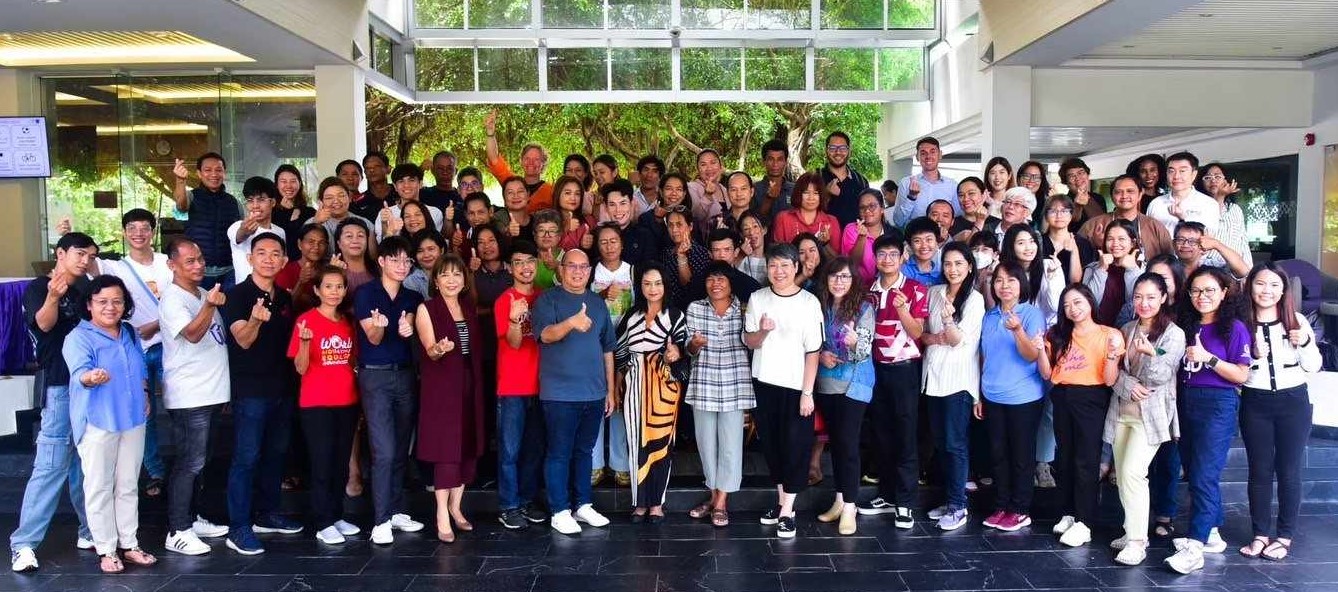
A woman living with HIV shows up to her community clinic for antenatal care. The nurses ask why she got pregnant.
A man living with HIV goes to his dental appointment. He arrives first, but the staff treat him last.
A young transgender woman learns she is HIV positive. She was already scared about how she would be treated. Now she’s doubly terrified.
A man living with HIV is hopeful when he applies to a new job. He’s dismayed when they demand an HIV test.
The Thailand Stigma Index 2.0 study was launched last week in commemoration of Zero Discrimination Day. It shows that despite a strong national HIV response, challenges simmer below the surface.
Read More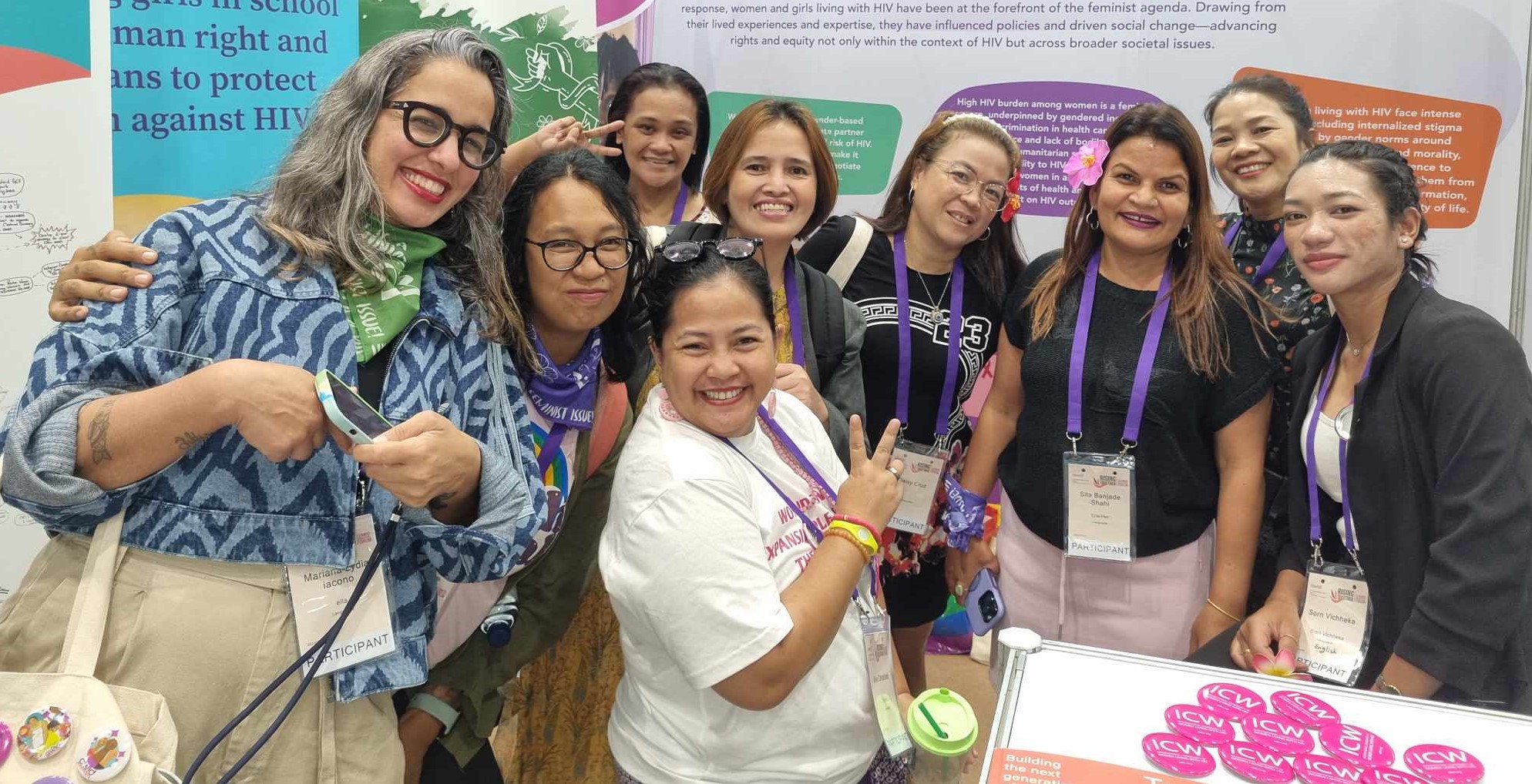
“In our country we are not the priority,” Daisy Cruz says plainly.
She is surrounded by other women living with HIV who agree. They share stories that are not often told about the epidemic in Asia and the Pacific. In a region where men living with the virus outnumber women roughly two to one, the issues of women and girls are often overlooked. They are all members of the International Community of Women Living with HIV Asia Pacific (ICWAP).
Read MoreMANILA, 1 March, 2025. In a powerful demonstration of this year’s Zero Discrimination Day theme “We Stand Together,” communities of people living with HIV, persons with disabilities and key populations convened with government agencies and civil society organizations to validate findings of a national assessment on how discrimination continues to create barriers in accessing HIV services in the Philippines.
Read More
Adrian Lindayag, a Philippines actor, learned he was living with HIV in 2017. But even before then, he’d felt the weight of the disease.
Read More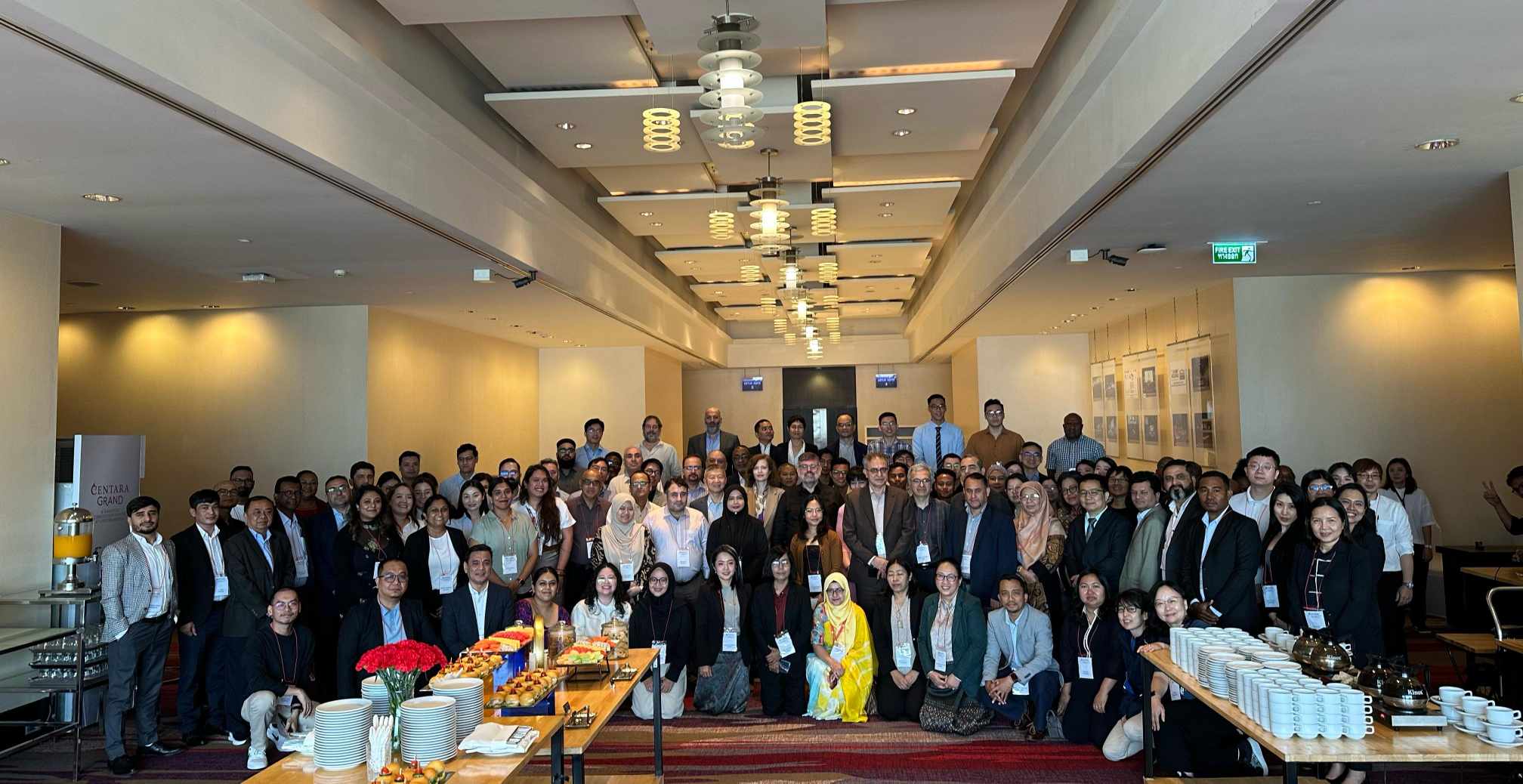
BANGKOK, February 28, 2025—Accurate, recent HIV data are especially critical as countries in Asia and the Pacific respond to rising new infections and mobilise funding. Teams from twenty-three Asia Pacific countries have been trained and supported to generate updated estimates of their HIV epidemics and responses. Held in Bangkok, Thailand from February 24th to 28th, the regional workshop was hosted by UNAIDS with support from the Australian Government.

Urgent action needed to restore essential community-led services
BANGKOK, 13 February, 2025—While the United States’ 90-day pause on foreign assistance has impacted the global AIDS response, U.S. Department of State waivers have allowed the resumption of HIV treatment and prevention of mother to child transmission services. Treatment programs in a number of Asia Pacific countries have been affected, with a more widespread reduction of community-led HIV prevention, stigma and discrimination, adherence counselling, social support and monitoring work. The abrupt decline of these services could derail the region’s progress toward epidemic control. UNAIDS calls for national, regional and international solidarity to quickly restore these activities, avoiding increased HIV transmissions and negative impacts for people living with HIV.
Read More
Stigma-free HIV prevention, testing and treatment services required for an effective response
SUVA/BANGKOK, 23 January 2025—The Government of Fiji has declared an HIV outbreak in response to a sharp increase in reported newly diagnosed cases during 2024.
Read More