 UNAIDS Asia-Pacific

On the occasion of World AIDS Day, we recall lessons learned from the HIV epidemic, most especially that restrictive, stigmatizing and punitive measures can lead to significant human rights violations, with disproportionate effects on already vulnerable communities. These insights from the HIV response are especially relevant today as countries grapple with the impact of the COVID-19 pandemic.
Read More
Campaign messages for the 16 Days of Activism against Gender-Based Violence
INTRODUCTION
COVID-19 is not only a health issue, just as HIV never was. It impacts a wide range of human rights, and although it affects all people, it does so unequally. Women and girls in all their diversity are experiencing the greatest impact of the crisis. Their disparate experience is related not only to the virus but also to existing discrimination, gender stereotypes and deeply rooted inequalities including lack of equal access to food, clean water, housing and health services.
Read More
Episode 2: On understanding community needs
In this second episode, we talk with Thomas Cai about his experience working with people who use drugs in Asia to help provide treatment and other services they need to live a life of dignity.
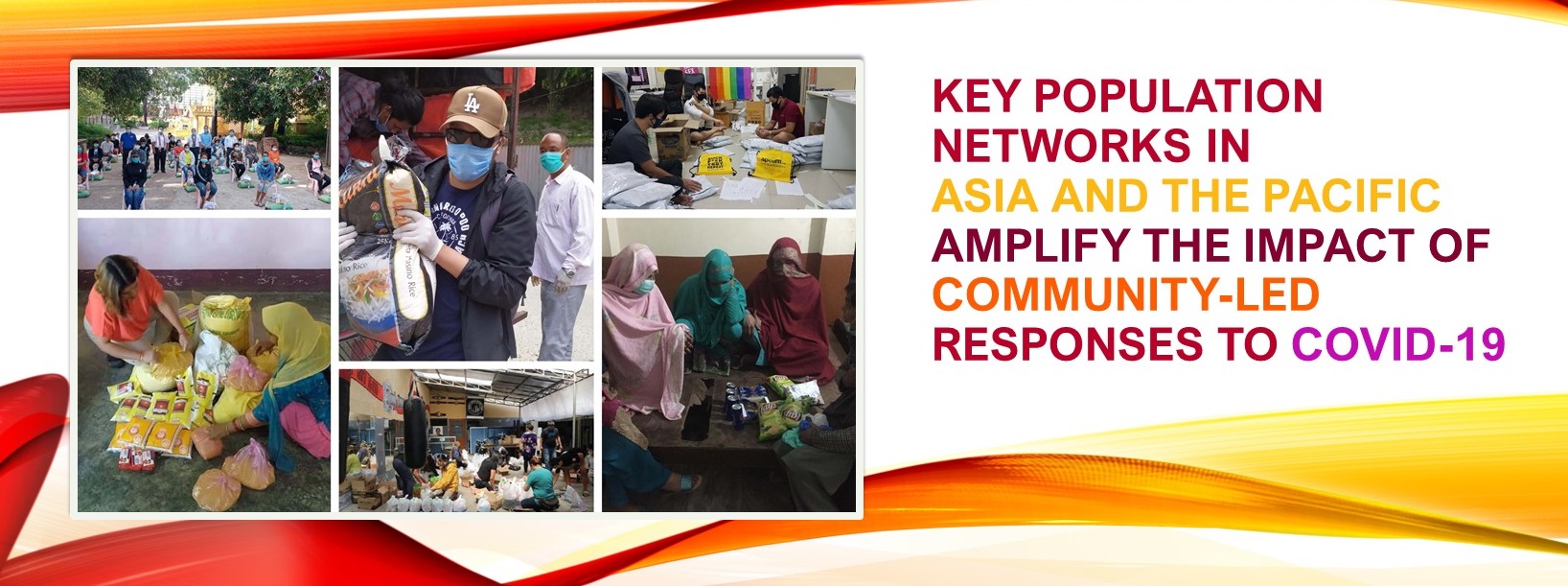
When the COVID-19 pandemic began to spread across the globe, it became clear that fears of contracting COVID-19, misinformation and subsequent stigma were major factors deterring people seeking HIV prevention and treatment services. In response to these insights, regional key population networks from Asia and the Pacific, including ANPUD, APCOM, APN+, APNSW, APTN, ICW AP, Youth LEAD and the IATT on YKP, in collaboration with UNAIDS, came together to implement a regional project to promote access to relevant and timely information about COVID-19 targeted to key populations, and record best practices from community-led responses.
Read More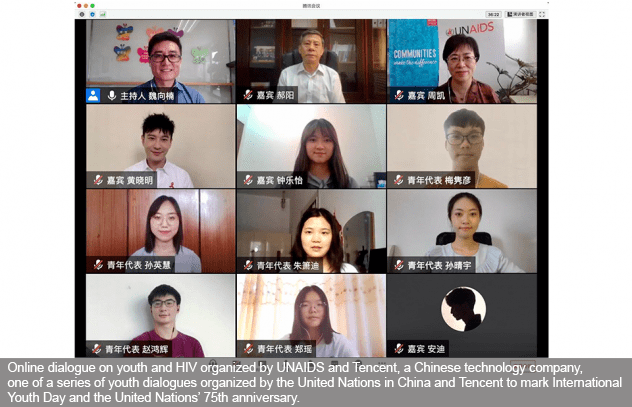
“There were no such diseases back in the day! AIDS came into being only because of college kids like you messing around,” shouted an old man at a group of students who were speaking to people about HIV prevention at China’s West Lake beauty spot. “Behave yourselves! We don’t need to listen to your rubbish!”
Read More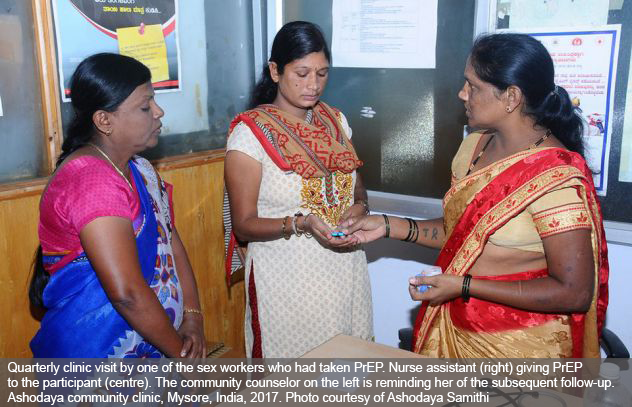
The Ashodaya pre-exposure prophylaxis (PrEP) demonstration project for female sex workers in south India has shown how PrEP and HIV prevention programmes can be strengthened and their implementation accelerated beyond pilot projects.
Read More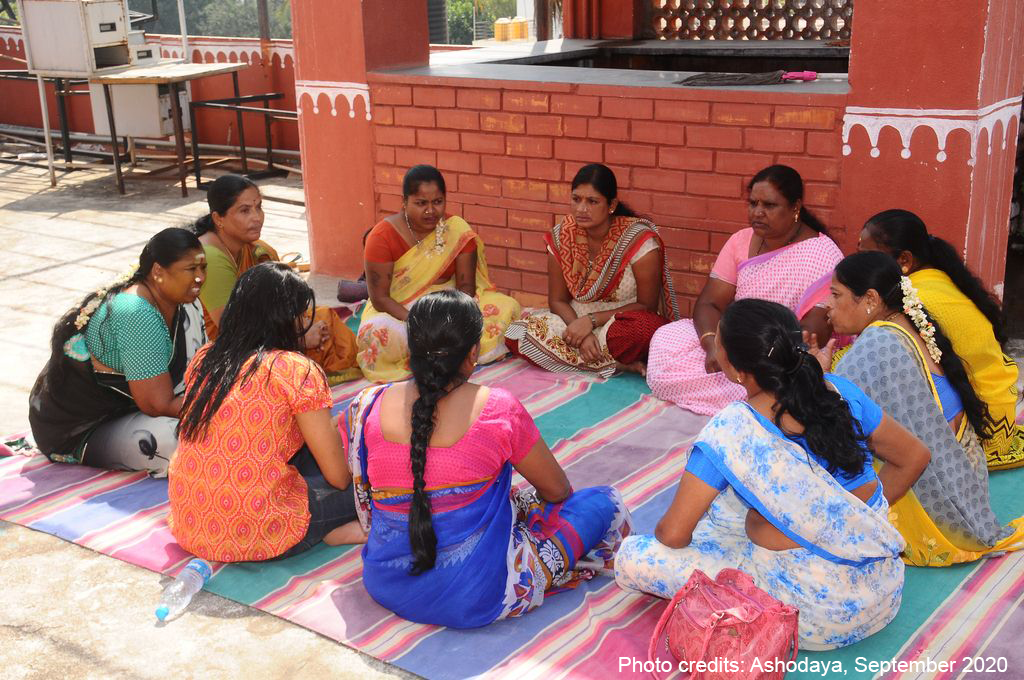
While pre-exposure prophylaxis (PrEP) has been shown to be highly efficacious, with up to 99% protection if the drug is taken as directed, delivering a successful PrEP program is challenging. A recent analysis of the Ashodaya PrEP demonstration project, which provided pre-exposure prophylaxis (PrEP) to female sex workers in south India, provides insights to help strengthen PrEP and HIV prevention programs and accelerate implementation beyond demonstration and pilot projects.
Read More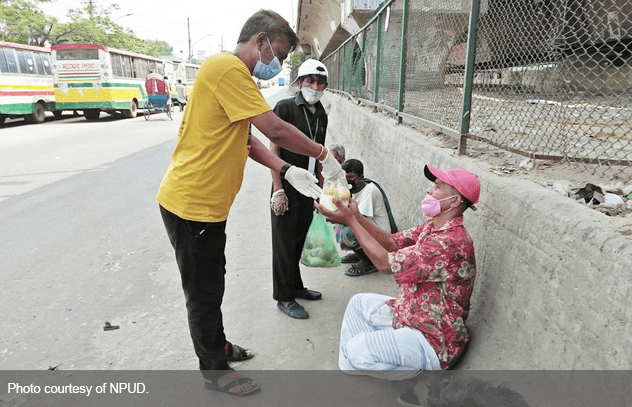
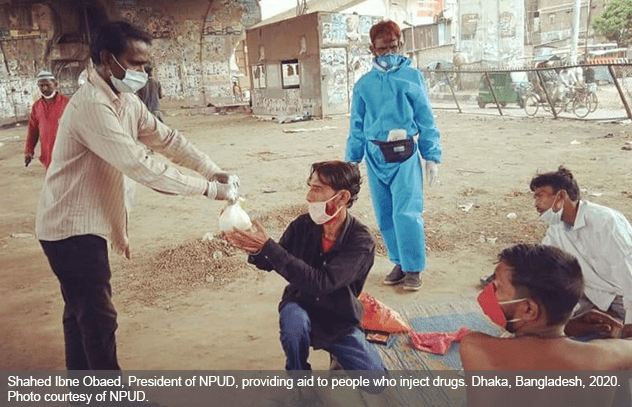
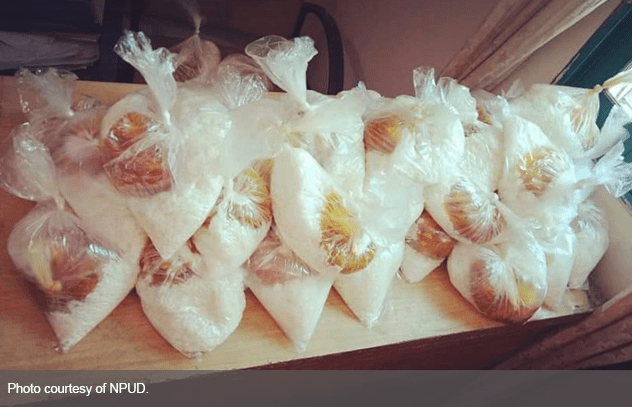
“I cannot provide my family with sufficient food as my earnings have gone down. I feel depressed seeing my family going through economic pain and hunger,” says Kamal Hossain (not his real name), a person who uses drugs who lives in Dhaka, Bangladesh.
Read More



 UNAIDS Asia-Pacific