UNAIDS Asia-Pacific
In Asia and the Pacific, young key populations (YKPs) experience gender-based violence (GBV) and multiple, intersecting discrimination on the basis of age, race, ethnicity, HIV status, economic status, geographical status, religion, migration status, disability, and sexual orientation and gender identity, expression and sex characteristics (SOGIESC).
Stigma, discrimination and GBV aggravate HIV and other health threats faced by YKPs. They also obstruct YKPs from accessing vital information and the services they need, including health, social protection and legal services. Read More
SOCIAL MEDIA PACKAGE AND KEY MESSAGES
For those most vulnerable to HIV – including people living with HIV, gay men and other men who have sex with men, transgender people, sex workers, people who use drugs, young people, migrants and prisoners – already facing challenges and disenfranchisement from the wider community, the hardships they face in employment, accessing healthcare, household settings, livelihood and social protections have only been exacerbated by the COVID-19 pandemic. At the same time, civil society and key population (KP) networks report alarming instances of human rights violations and growing concerns about the rise in discrimination targeting vulnerable groups and health care professionals. Read More


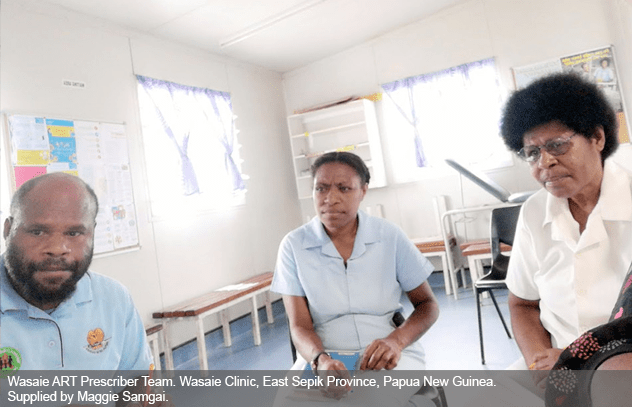
The National Department of Health has launched the first-ever virtual training for prescribers of antiretroviral therapy in Papua New Guinea. Using Google Classroom, 21 video lectures with a total of more than six hours of content, covering HIV treatment, care and service delivery guidelines, as well as monitoring and evaluation tools, are provided to the learners. The content includes video lectures and associated assessment materials, which have to be completed within seven days after enrolment.
Read More

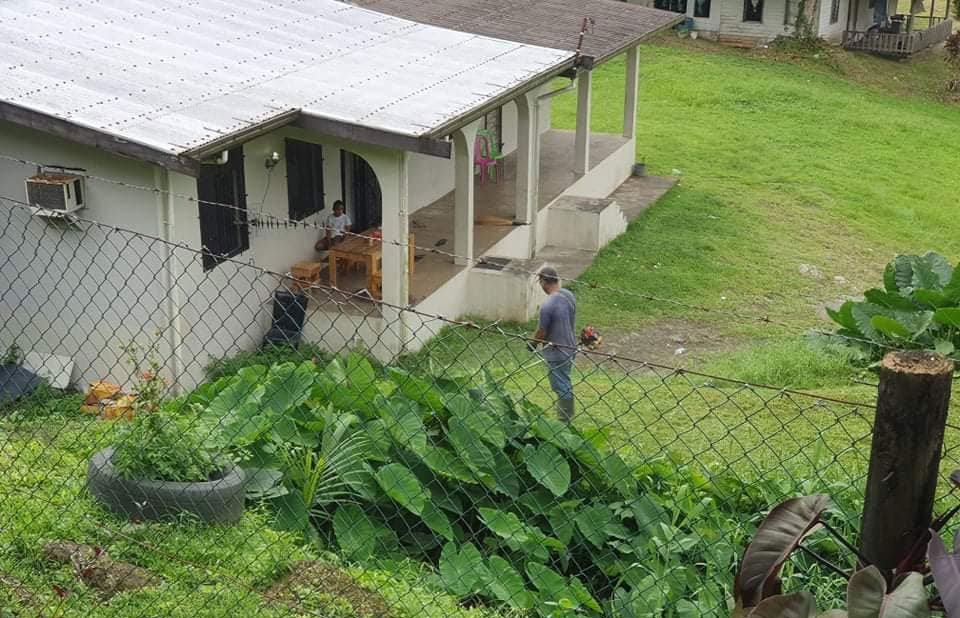
On an early Fijian morning, Marlene Dutta, coffee cup in hand, is sitting on her back deck surrounded by greenery. Not even the sound of birds in the background can peel her away from her computer screen. She is busy sorting through messages and reviewing the activity on the Facebook page that she created, Barter for Better Fiji, an online community that has revitalized Fiji’s traditional bartering practices and helped communities sustain themselves during the COVID-19 outbreak.
Read More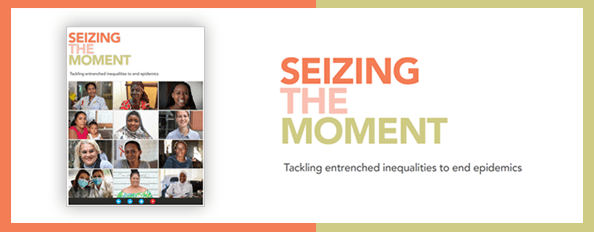
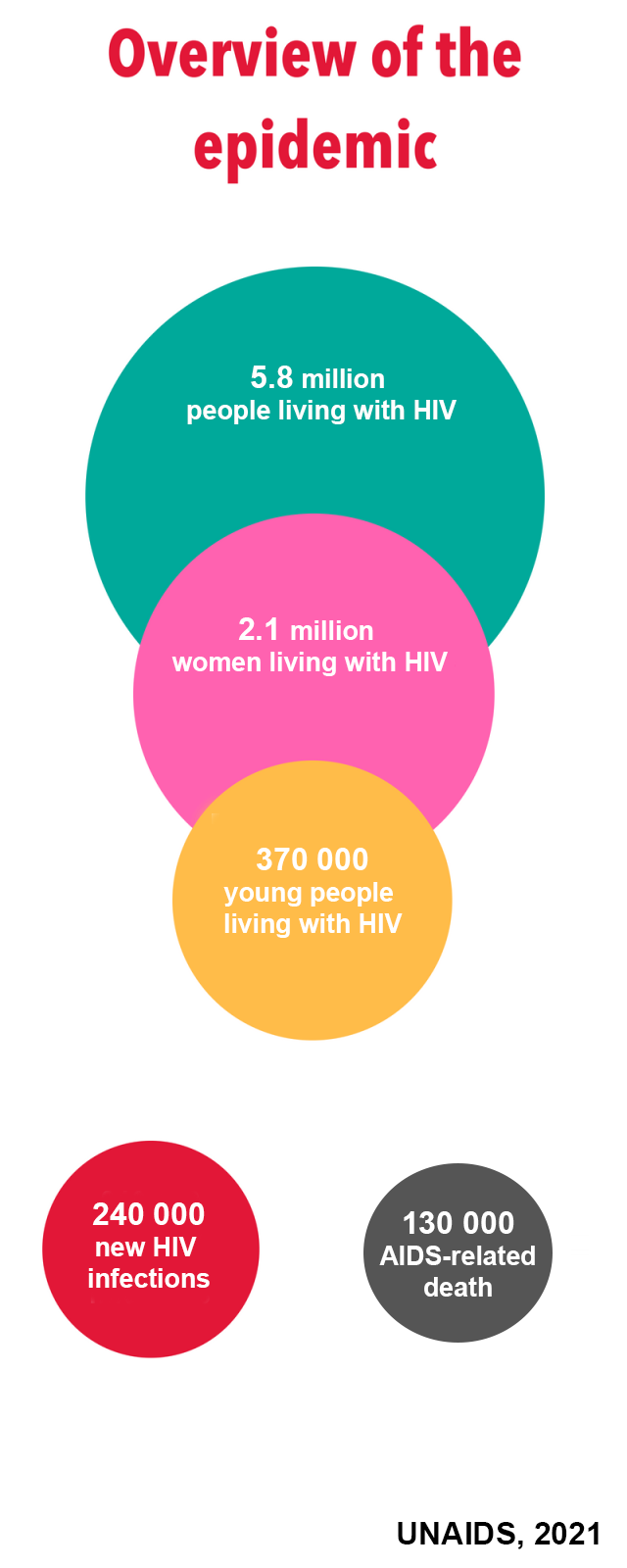
In Asia and the Pacific 300 000 people were newly infected with HIV and 160 000 died of AIDS-related illnesses in 2019. Key populations and their partners accounted for an estimated 98% of new HIV infections, and more than one quarter of new HIV infections were among young people (aged 15 to 24 years).The response could be set back further if the COVID-19 pandemic results in severe disruptions to HIV services.
Bangkok, Thailand, 7 July 2020—A new report by UNAIDS shows highly unequal progress in Asia and the Pacific region. Because the achievements have not been shared equally within and between countries, the global HIV targets set for 2020 will not be reached. The report, Seizing the moment, warns that even the gains made could be lost and progress further stalled if we fail to act. It highlights just how urgent it is for countries to double down and act with greater urgency to reach those that are still left behind.
In Asia and the Pacific, 3 countries, including Australia, Cambodia and Thailand, have achieved the 90–90–90 HIV treatment targets (with a minimum of 73% of people living with HIV having suppressed viral loads).
JOINT PRESS STATEMENT
UNAIDS, APCASO, APN+
Bangkok, Thailand, 26/06/2020: In the context of the COVID-19 pandemic, UNAIDS, APCASO and APN+ issued a joint statement to emphasize the key role that the HIV response can play in developing and implementing equitable systems for health, including sustainable HIV and COVID-19 programming.
Vulnerable and marginalized people are often the most affected by COVID-19, physically, economically and socially. They are the least able to protect themselves, often living in crowded conditions without sufficient hygiene facilities or on the street. In the context of lockdowns, women have faced increased rates of gender-based violence. Vulnerable and marginalized people are also the least likely to be able to access social protection measures designed to ensure access to basic food, hygiene and livelihood support. Read More
JOINT STATEMENT
UNAIDS, APCASO and APN+
Bangkok, Thailand; June 26, 2020
Globally, almost half a million people have died from coronavirus disease 2019 (COVID-19), and the number of infections grows daily.
In the Asia and Pacific region, we have lost more than 40 000 people to the pandemic and over 1.6 million people have been infected. Fortunately, most countries in the region are beginning to see a decline in new infections, but high infection rates are still occurring in some countries. We must not allow complacency to enable a second, potentially more severe wave of infections to harm more people or to require a return to economically devastating lockdowns. Read More

The experience of the UNAIDS Country Director for El Salvador, Celina Miranda, a trained medical doctor, has been very useful during the COVID-19 outbreak. When the United Nations Resident Coordinator nominated her to be the COVID-19 response team leader within the United Nations in the country, she was honoured.
Read More