UNAIDS Asia-Pacific

When the Thai government ordered the closure of entertainment venues in the country in March, it didn’t just signal an end to pulsating music and rounds of drinks shared with friends. It also signalled the start of difficult times for an estimated 145 000 sex workers living in Thailand.
Read More
JOINT STATEMENT
June 1, 2020
Against the backdrop of COVID-19, recalling the 2012 Joint Statement on compulsory
drug detention and rehabilitation centres and the 2020 Joint Statement on COVID-19
in prisons and other closed settings, United Nations entities urgently appeal to Member
States to permanently close compulsory drug detention and rehabilitation centres and
implement voluntary, evidence-informed and rights-based health and social services in
the community as an important measure to curb the spread of COVID-19 and to facilitate
the recovery and reintegration of those in the centres back into their families and
communities.
The COVID-19 pandemic is posing multiple challenges to countries in Asia and the
Pacific in designing and implementing response and recovery measures that are
efficient and respect the rights of all people, with the objective of leaving no one behind.
Among the groups particularly at risk of contracting the virus are people in compulsory
drug detention and rehabilitation centers. They are often comprised of people who are
suspected of using drugs or being dependent on drugs, people who have engaged in
sex work, or children who have been victims of sexual exploitation.
Criteria for detention in these centres vary within and among countries, but people are
often detained without sufficient due process, legal safeguards or judicial review in the
name of “treatment” or “rehabilitation”. They face higher vulnerabilities, including HIV,
TB as well as COVID-19, as a result of sub-standard living conditions, including massive
overcrowding and related challenges in maintaining physical distancing. Moreover,
detention in these centres has been reported to involve forced labour, lack of adequate
nutrition, physical and sexual violence, and denial or comparatively lower access to and
quality of healthcare services.
During this global health emergency, United Nations entities reiterate their call on
Member States that operate compulsory drug detention and rehabilitation centres to
close them permanently without further delay, to release individuals detained as an
important additional measure to curb the spread of COVID-19 and to refrain from the
use of any other form of detention.
The United Nations entities stand ready to work with Member States as they take steps
to permanently close compulsory drug detention and rehabilitation centres and to
transition to an evidence-informed system of voluntary community-based treatment and
services that are aligned with international guidelines and principles of drug dependence treatment, drug use and human rights.
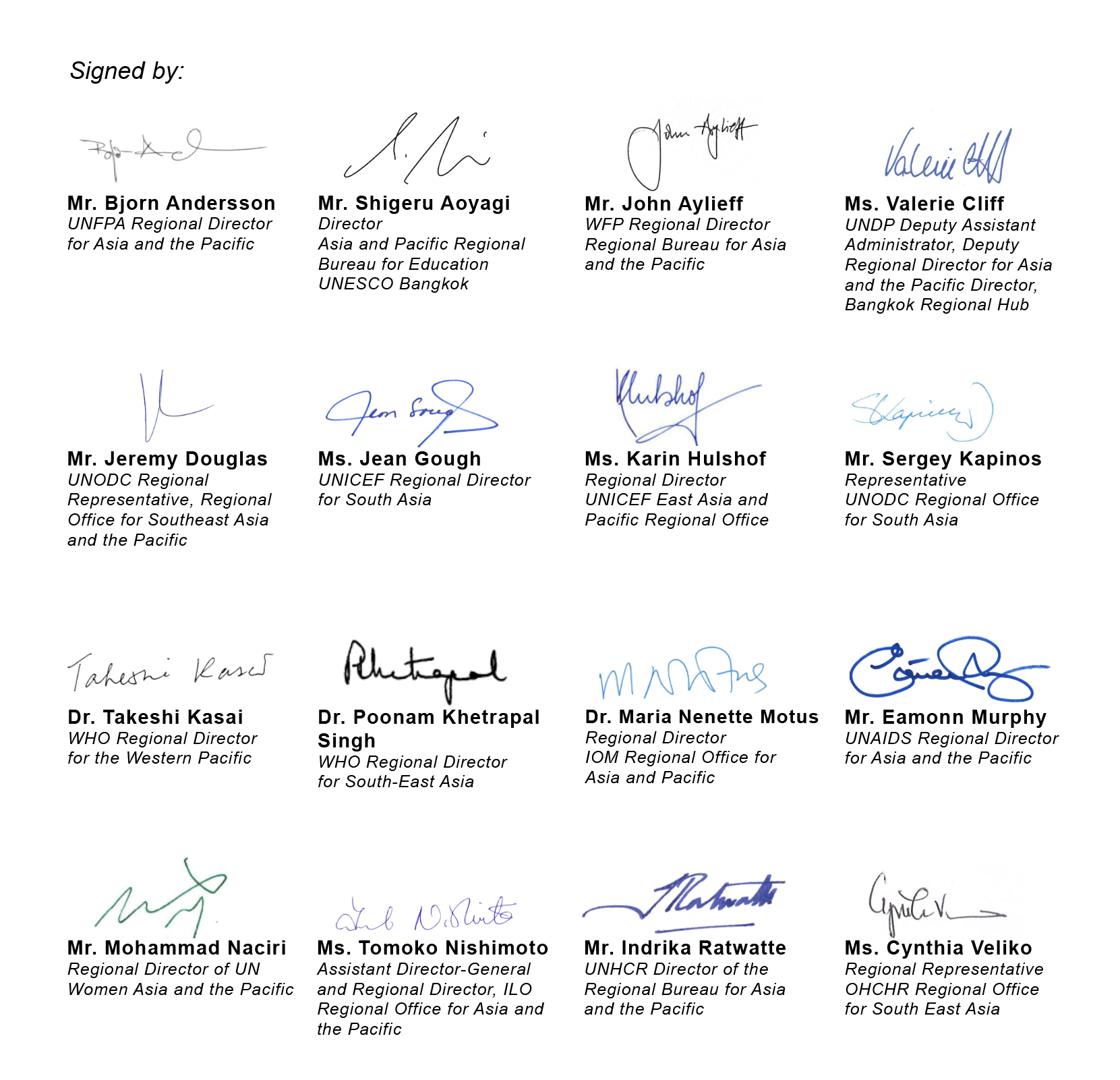
This Joint Statement is endorsed by 13 United Nations entities including OHCHR, UNAIDS, ILO, UNDP, UNFPA, UNHCR, UNICEF, UNODC, UNWOMEN, WFP, WHO, UNESCO and IOM.
For media enquiries:
Todd Pitman, Public Information Officer, UN Human Rights Office for South-East Asia, + 66 63 216 9080, todd.pitman@un.org
Michela Polesana, Advocacy Adviser, UNAIDS Regional Office for Asia and the Pacific, + 66 94 519 4092, polesanam@unaids.org
As the coronavirus pandemic has unfurled across the world, the public health crisis has brought with it considerable social and economic aftershocks, which may be felt disproportionately by populations which are likely to be left behind. Aside from the direct risks to physical health, the psychological impacts of COVID-19 also pose significant risks to mental-wellbeing as elevated levels of stress and anxiety are further exacerbated by the ongoing uncertainty of the situation. The discrimination and marginalization experienced by members of young key populations (YKPs) and young people living with HIV (YPLHIV) places them at heightened risk of experiencing mental health challenges during this time. National lockdowns, restricted movement and closure of non-formal education opportunities resulting in a lack of social engagement with peers and educators, may further aggravate feelings of loneliness, depression and anxiety in young key populations and young people living with HIV.
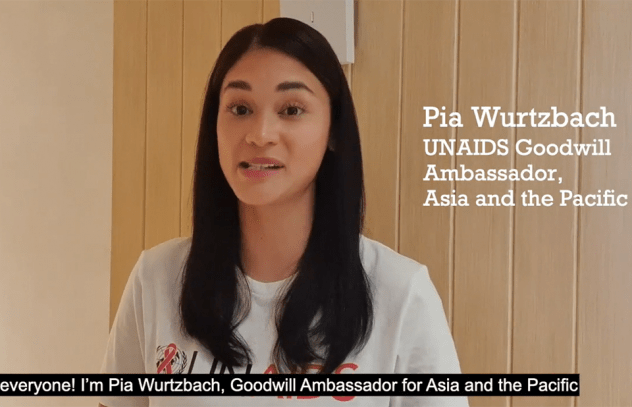
Pia Wurtzbach, Miss Universe 2015 and UNAIDS Goodwill Ambassador for Asia and the Pacific, has long been an advocate for the AIDS response in the Philippines and the rest of the region. Recently, however, her work has taken in support for the COVID-19 response, including starting a fundraising effort with the aim of distributing 25 000 face masks to hospitals in Manila and supporting social media campaigns on preventing both COVID-19 and HIV.
UNAIDS spoke to Ms Wurtzbach about her work during this challenging time.
Read More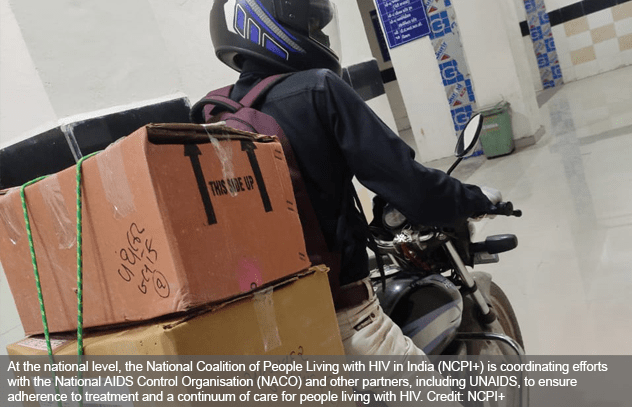
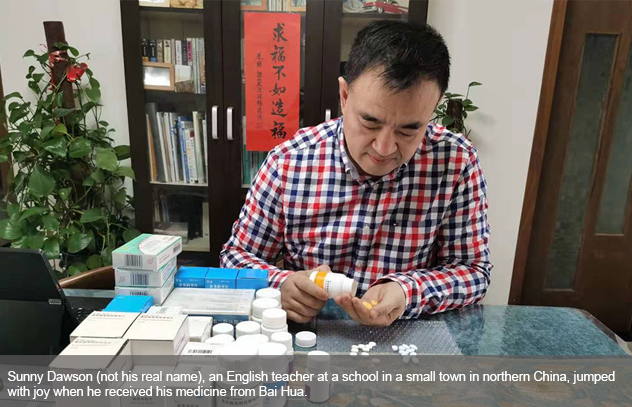

A day before Deepak Sing (not his real name) planned to return to India, all international travel ground to a halt—he was stuck in Luanda.
Because of his frequent travel, he had extra HIV medicine, but his supplies started to run low.
“I visited more than 10 pharmacies and explored options of delivery of antiretroviral medicines from India to Angola, but without success,” he said.
He decided that reaching out to Indian colleagues would be his best bet.
Read More
From the very beginning, communities were in the vanguard of the AIDS response in Nepal. Still playing a vital role in the response to HIV in the country, communities are making good-quality services more accessible for people living with HIV and key populations and standing up to HIV-related stigma and discrimination.
Read More
Message from Eamonn Murphy, UNAIDS Regional Director for Asia and the Pacific
In a world with advancing biomedical technology for preventing, testing and treating HIV, it is shocking that AIDS is still so prevalent in this modern age. Globally 35.4 million people have died from AIDS-related illnesses since the start of the epidemic.
Behind these numbers are lives of humans unnecessarily lost, and families and friends who were left behind. We mourn for them. And today we remember them. Read More

Message from Eamonn Murphy, UNAIDS Regional Director for Asia and the Pacific
17 May is the International Day Against Homophobia, Transphobia and Biphobia. This year’s theme is Breaking the Silence.
Lesbian, gay, bisexual, transgender and intersex (LGBTI) people continue to face high levels of violence and inequalities. Punitive laws continue to penalize their behaviors, identities and gender expressions, perpetuating discrimination and exclusion. Read More