UNAIDS Asia-Pacific
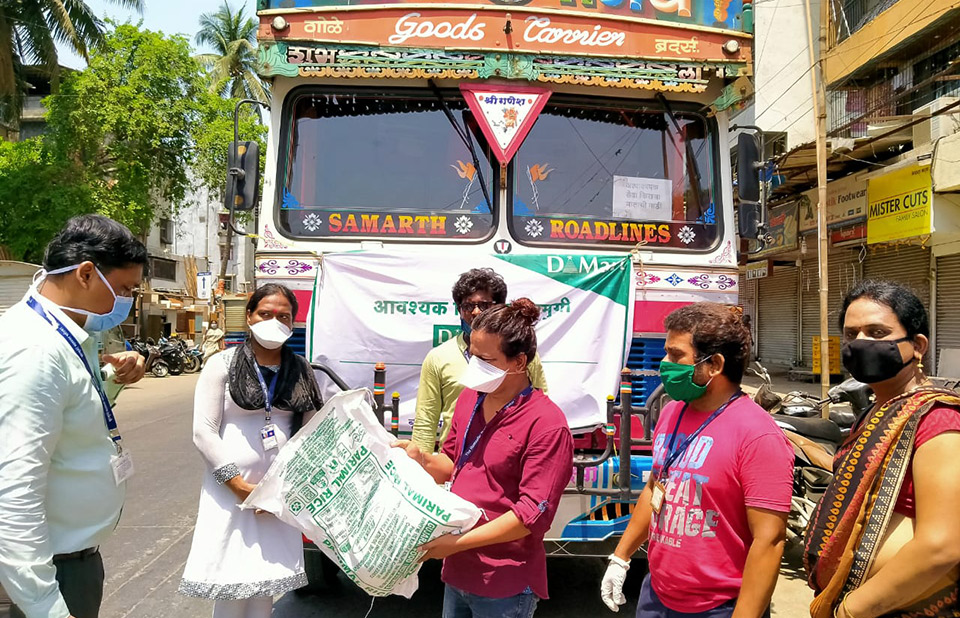
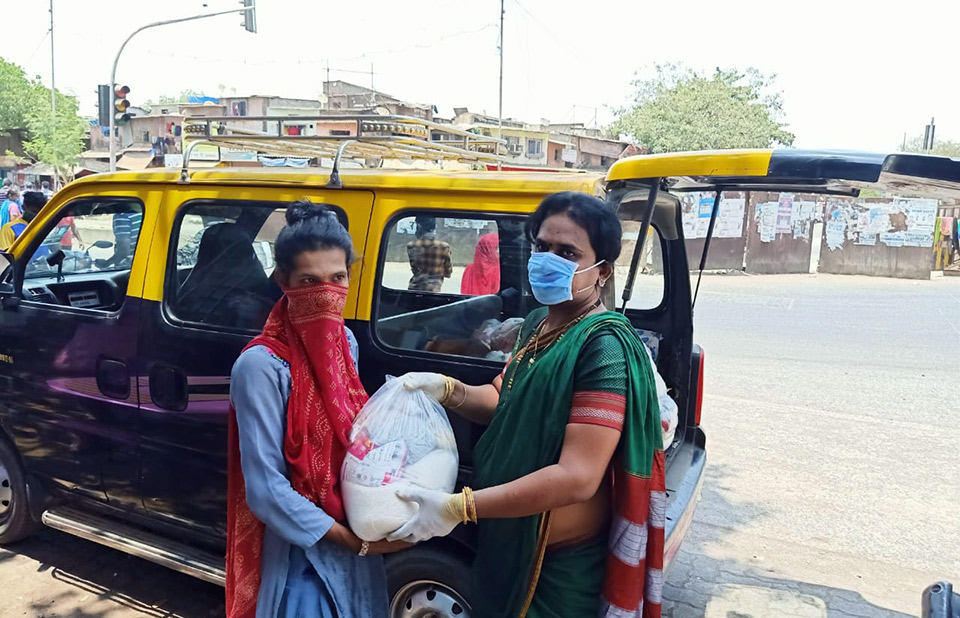

Relief work is not the Humsafar Trust’s specialty, but COVID-19 has changed that.
A few days after the lockdown measures in India went into effect, the Humsafar Trust’s teams received desperate calls from people with no place to live and no income, explained Vivek Anand, Chief Executive Officer of the Humsafar Trust, a lesbian, gay, bisexual, transgender and intersex (LGBTI) people community-based nongovernmental organization based in Mumbai, India. An urgent team meeting was called to determine what to do. “After much back and forth evaluating needs, we agreed, “Let’s start with giving people food support,” he said.
Read More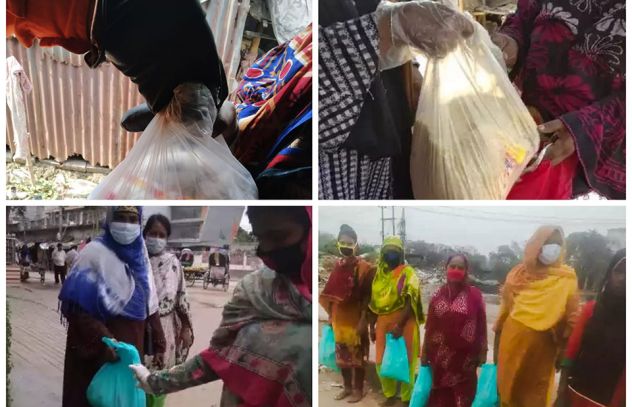
Shahnaz Khatun (not her real name), a former sex worker now running a small clothing business in Dhaka, Bangladesh, found herself in difficulties when the country went into lockdown. Before the COVID-19 outbreak, the areas where she used to work were crowded, but now they are quiet. Ms Khatun is self-isolating in response to the government’s call, but she is unable to provide for herself and her family. “My business is now out of action due to the restrictions on movement. I have some underlying health conditions and I spent all my money on buying medicines,” she said.
Read MoreIntroduction
COVID-19 is a serious pandemic, unprecedented in our lifetime. On 13 April 2020, Inti Muda and UNAIDS conducted a survey to assess the needs of young key populations (YKP) and young people living with HIV (PLHIV) and the possibility of severe disruption to HIV prevention, testing, treatment and other related services during COVID-19 outbreak. The survey, initiated at the regional level by the Interagency Task Team (IATT) on Young Key Populations (YKPs) in Asia and the Pacific, assesses information needs, medication on hand, and ability to access HIV services and support networks among YKP and young PLHIV.


For the more than 3000 people, including 330 children and adolescents, living with HIV and on antiretroviral therapy in Goa, India, the COVID-19 outbreak is a time of worry—they are worried about COVID-19 and they are worried about being able to stay on their HIV treatment during the lockdown in India.
In order to respond to one of those worries, the team at the Human Touch Foundation, a community-based organization that provides care and support to children and adolescents living with HIV, has, since the start of the lockdown, organized a force of volunteers to deliver antiretroviral therapy to people’s doorsteps.
Read More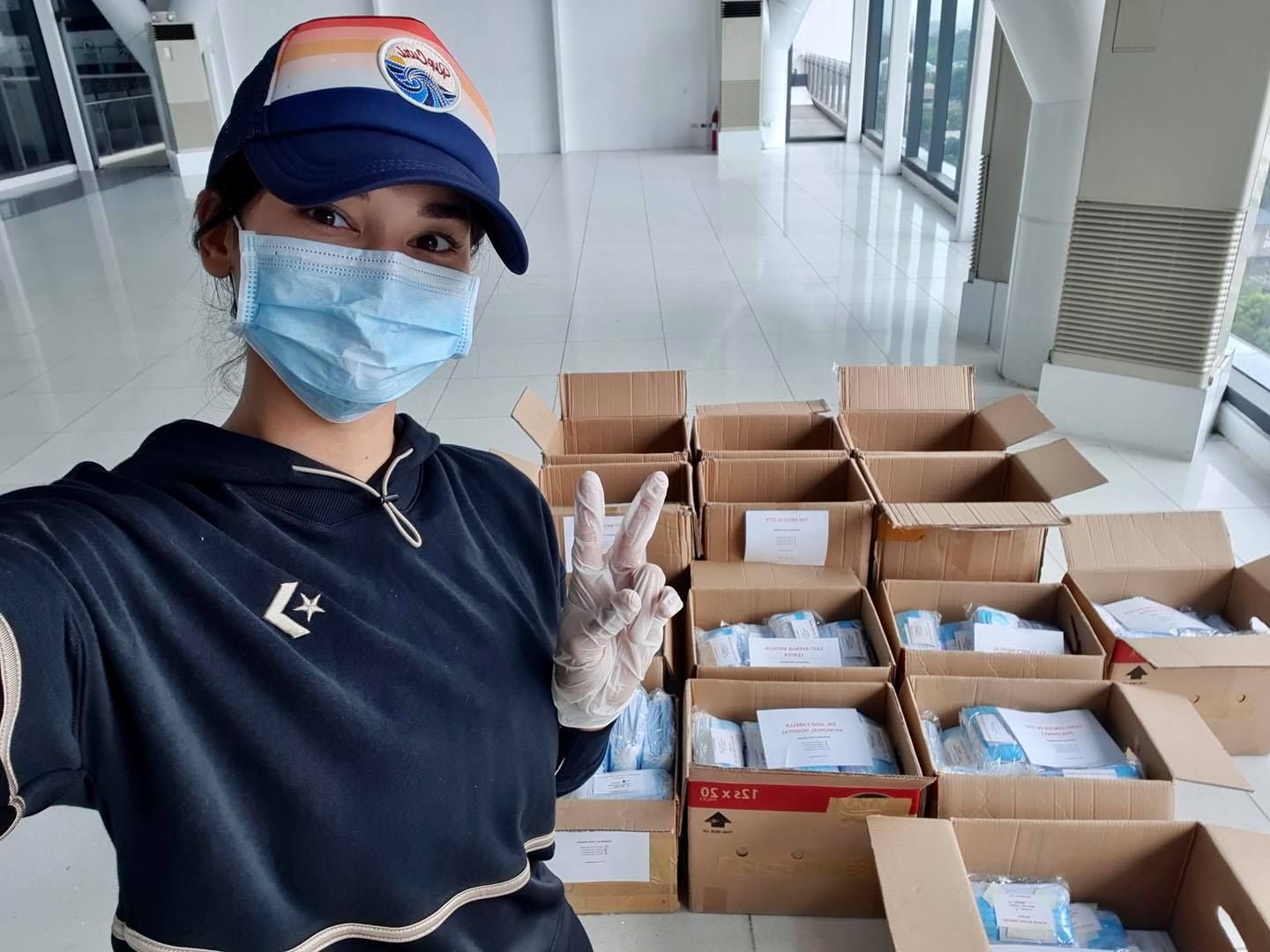
Pia Wurtzbach, Miss Universe 2015 and UNAIDS Goodwill Ambassador for Asia and the Pacific, has stepped up to support the COVID-19 response in the Philippines and the rest of the region. Among other initiatives, she has started a fundraising campaign with the aim of distributing 25 000 surgical and KN95 facemasks to hospitals in Metro Manila.
Ms Wurtzbach has participated in the online #RiseAsOnePH organized by LoveYourself in collaboration with UNAIDS and partners in support of the people on the frontlines and the communities most affected by the pandemic. She is taking her advocacy work to her social media platforms, where she has been sharing and amplifying key messages and guidance on preventing COVID-19 and HIV.
Ms Wurtzbach shared with UNAIDS what she is doing to support the COVID-19 response and talked about her feelings during this challenging time.


After the 2018 earthquake struck Lombok, in West Nusa Tenggara, Indonesia, the destruction it caused closed most health facilities. Among those affected were people living with HIV, who could no longer access their HIV treatment. Then, Yayasan InSET, a civil society organization in the province, stepped in, teaming up with health facilities in the area and taking on the role of delivering antiretroviral therapy to people in need. Today, the COVID-19 pandemic is threatening to do what the earthquake did to access to HIV treatment, and Yayasan InSET is ready to step in again.
Read More
COVID-19 is a serious pandemic, unprecedented in our lifetime. The Interagency Task Team (IATT) on Young Key Populations (YKPs) in Asia and the Pacific, concerned about the welfare of young key populations and young people living with HIV and the possibility of severe disruption to HIV prevention, testing, treatment and other related services during COVID-19 outbreak, launched a rapid survey to contribute to mitigating the impact of this pandemic. This survey assesses information needs, medication on hand, and ability to access HIV services and support networks among young key populations and young people living with HIV from Asia and the Pacific region during the COVID-19 outbreak. The survey was developed in English but has later been translated into Thai, Burmese and Bahasa Indonesia. The outcomes of the survey are expected to help support local solutions through the leadership of young key populations and young people living with HIV in providing information, finding joint problem-solving measures, and being a voice for the voiceless. Initial responses in English will be considered in this paper and will be enriched by the analysis of findings in the other languages (Thai, Burmese and Bahasa Indonesia). Read More

It was a rainy night when Asghar Satti, the National Coordinator of the Pakistan Association of People Living with HIV (APLHIV), went home after spending a busy day at the office.
That day, he had received a call from a man in Karachi, Pakistan, who is living with HIV. He was worried that he was running low on his supply of antiretroviral therapy, with only nine days of treatment left. That call was one of many such calls that he had received since the beginning of the lockdown put in place after the first case of COVID-19 was identified in Pakistan in late February.
Read More