 UNAIDS Asia-Pacific
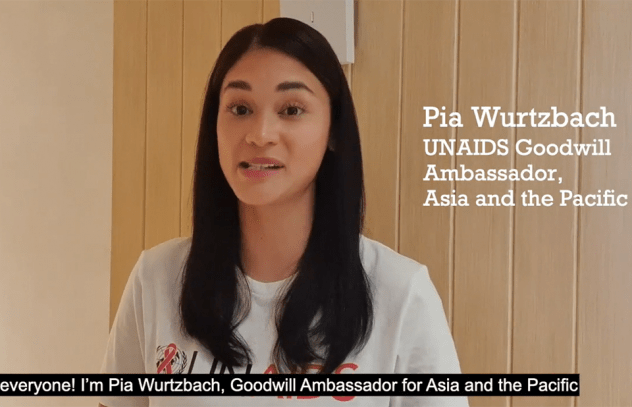
Pia Wurtzbach, Miss Universe 2015 and UNAIDS Goodwill Ambassador for Asia and the Pacific, has long been an advocate for the AIDS response in the Philippines and the rest of the region. Recently, however, her work has taken in support for the COVID-19 response, including starting a fundraising effort with the aim of distributing 25 000 face masks to hospitals in Manila and supporting social media campaigns on preventing both COVID-19 and HIV.
UNAIDS spoke to Ms Wurtzbach about her work during this challenging time.
Read More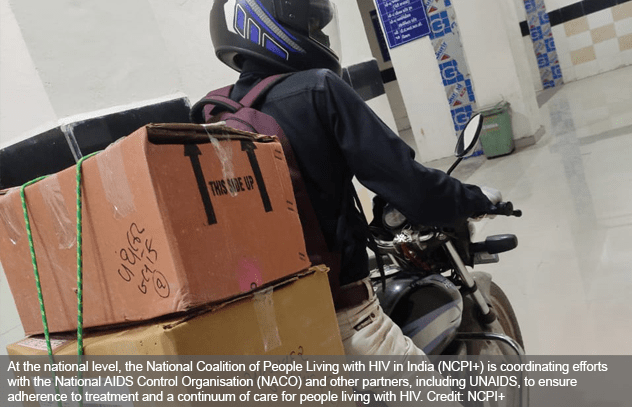
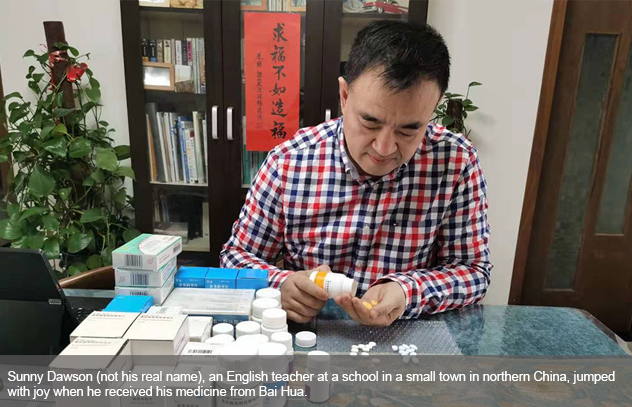

A day before Deepak Sing (not his real name) planned to return to India, all international travel ground to a halt—he was stuck in Luanda.
Because of his frequent travel, he had extra HIV medicine, but his supplies started to run low.
“I visited more than 10 pharmacies and explored options of delivery of antiretroviral medicines from India to Angola, but without success,” he said.
He decided that reaching out to Indian colleagues would be his best bet.
Read More
From the very beginning, communities were in the vanguard of the AIDS response in Nepal. Still playing a vital role in the response to HIV in the country, communities are making good-quality services more accessible for people living with HIV and key populations and standing up to HIV-related stigma and discrimination.
Read More
Message from Eamonn Murphy, UNAIDS Regional Director for Asia and the Pacific
In a world with advancing biomedical technology for preventing, testing and treating HIV, it is shocking that AIDS is still so prevalent in this modern age. Globally 35.4 million people have died from AIDS-related illnesses since the start of the epidemic.
Behind these numbers are lives of humans unnecessarily lost, and families and friends who were left behind. We mourn for them. And today we remember them. Read More

Message from Eamonn Murphy, UNAIDS Regional Director for Asia and the Pacific
17 May is the International Day Against Homophobia, Transphobia and Biphobia. This year’s theme is Breaking the Silence.
Lesbian, gay, bisexual, transgender and intersex (LGBTI) people continue to face high levels of violence and inequalities. Punitive laws continue to penalize their behaviors, identities and gender expressions, perpetuating discrimination and exclusion. Read More
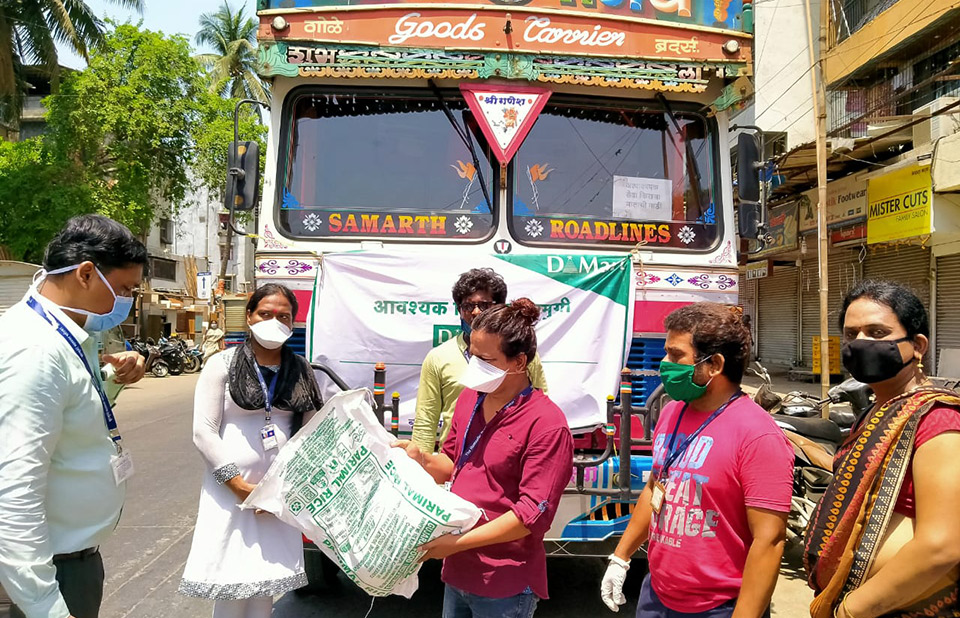
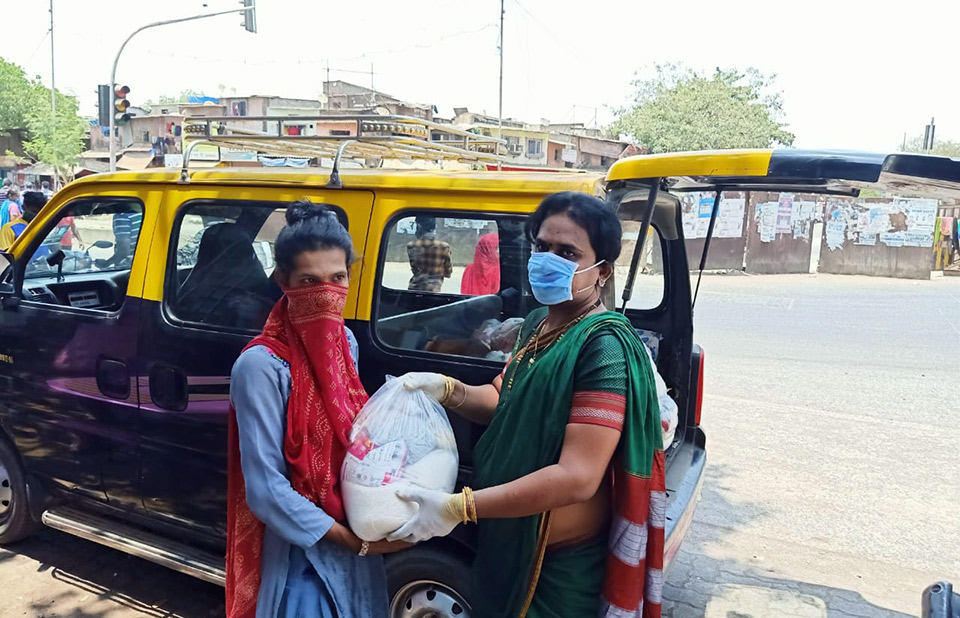

Relief work is not the Humsafar Trust’s specialty, but COVID-19 has changed that.
A few days after the lockdown measures in India went into effect, the Humsafar Trust’s teams received desperate calls from people with no place to live and no income, explained Vivek Anand, Chief Executive Officer of the Humsafar Trust, a lesbian, gay, bisexual, transgender and intersex (LGBTI) people community-based nongovernmental organization based in Mumbai, India. An urgent team meeting was called to determine what to do. “After much back and forth evaluating needs, we agreed, “Let’s start with giving people food support,” he said.
Read More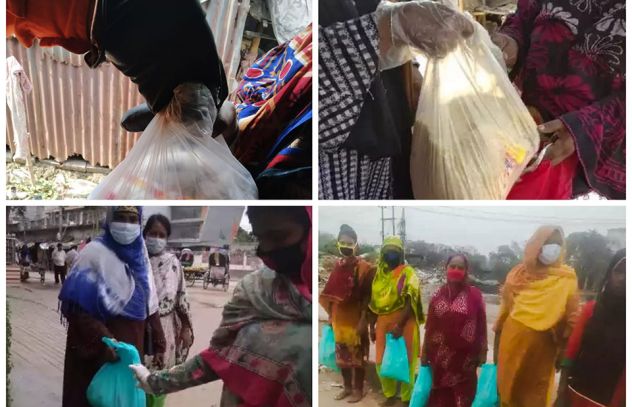
Shahnaz Khatun (not her real name), a former sex worker now running a small clothing business in Dhaka, Bangladesh, found herself in difficulties when the country went into lockdown. Before the COVID-19 outbreak, the areas where she used to work were crowded, but now they are quiet. Ms Khatun is self-isolating in response to the government’s call, but she is unable to provide for herself and her family. “My business is now out of action due to the restrictions on movement. I have some underlying health conditions and I spent all my money on buying medicines,” she said.
Read MoreIntroduction
COVID-19 is a serious pandemic, unprecedented in our lifetime. On 13 April 2020, Inti Muda and UNAIDS conducted a survey to assess the needs of young key populations (YKP) and young people living with HIV (PLHIV) and the possibility of severe disruption to HIV prevention, testing, treatment and other related services during COVID-19 outbreak. The survey, initiated at the regional level by the Interagency Task Team (IATT) on Young Key Populations (YKPs) in Asia and the Pacific, assesses information needs, medication on hand, and ability to access HIV services and support networks among YKP and young PLHIV.



 UNAIDS Asia-Pacific