 UNAIDS Asia-Pacific


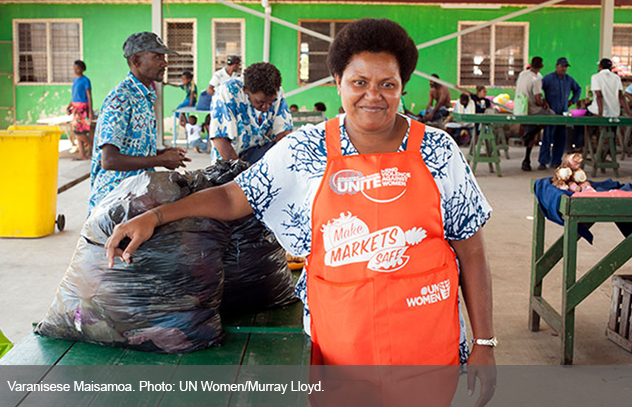
The Pacific region has among the world’s highest rates of gender-based violence. National research show that 72% of Fijian women experience gender-based violence, compared to the global average of 35%. Women in the region also have a low representation in leadership positions—out of the 560 Pacific members of parliament, 48 are women, of whom 10 are Fijian women.
Read More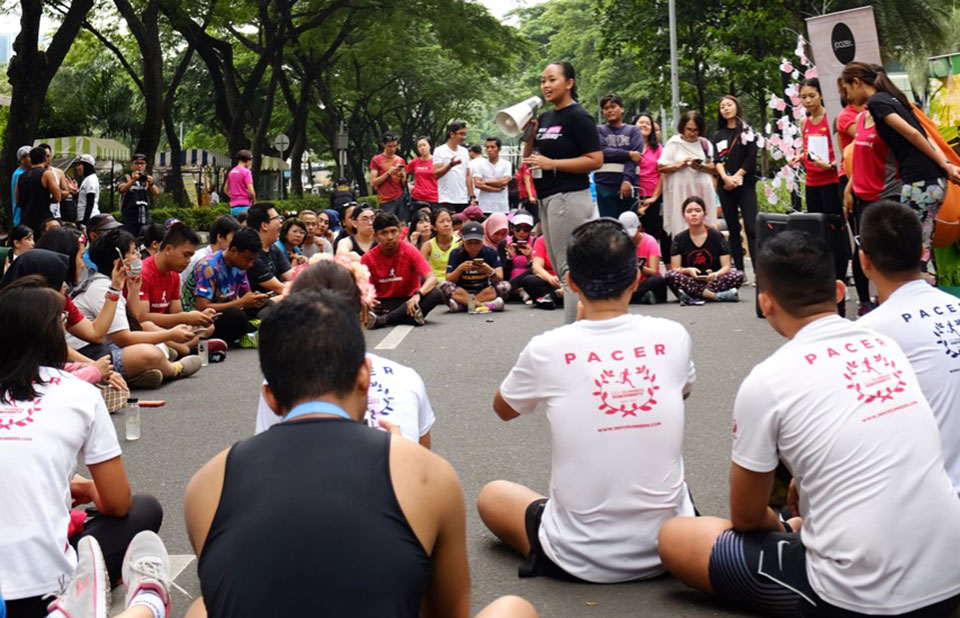
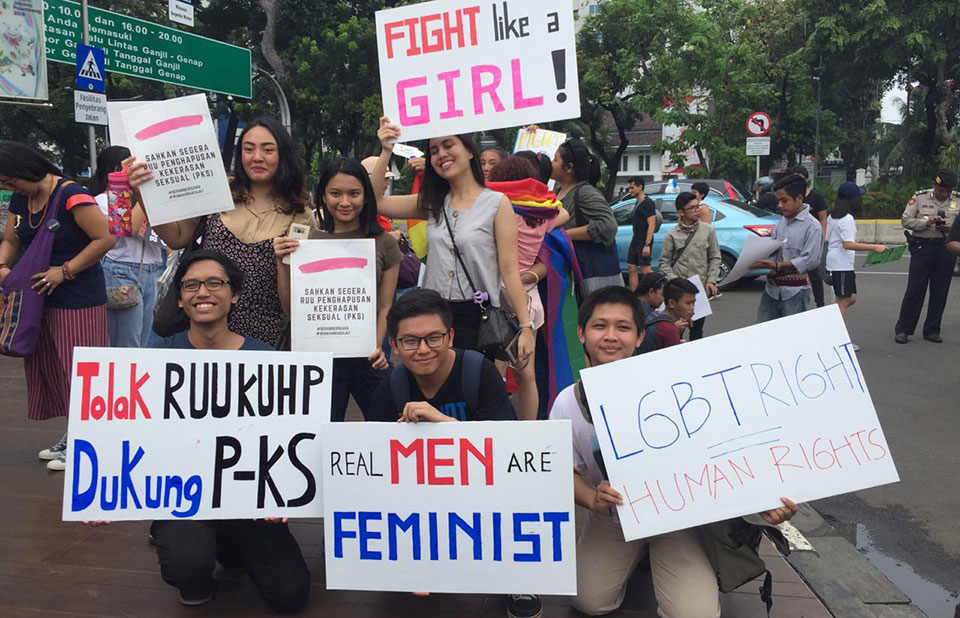

“I was walking to work, like I do every morning. There was a man on a motorbike at the end of the street. As I walked pass him, he grabbed my breasts and sped off.” This is a quote from one of the many stories featured on Hollaback! Jakarta’s website.
Sexual harassment and other forms of gender-based violence remain a serious issue for women in Indonesia. According to the National Commission on Violence Against Women’s Annual Report, there were more than 400 000 reported cases of violence against women in 2019, of which 28% were in public spaces. Public facilities, public transport and streets have become places where women do not feel safe and secure.
Read More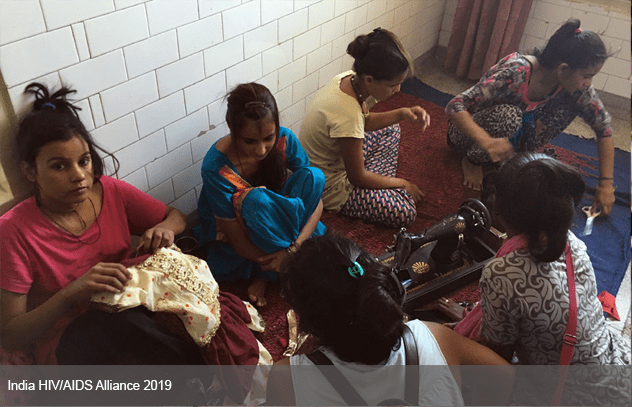
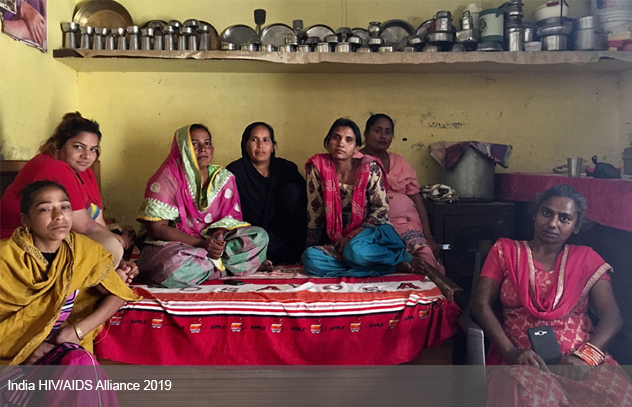
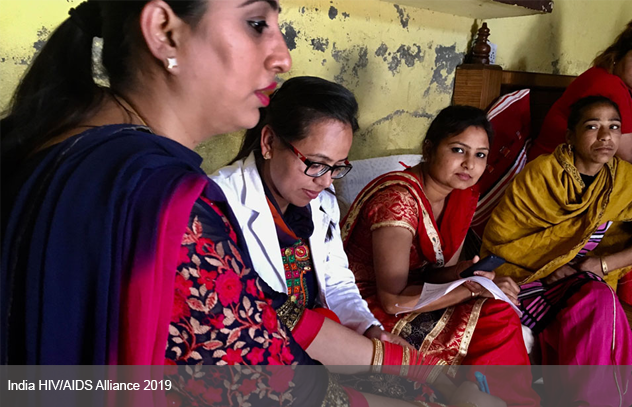
People who use drugs are often highly stigmatized and face high levels of discrimination. Women who use drugs, however, are doubly stigmatized and discriminated against—because of their drug use and because of their gender. They are also more exposed to gender-based violence and human rights violations that put them at risk of HIV and other infections.
Read More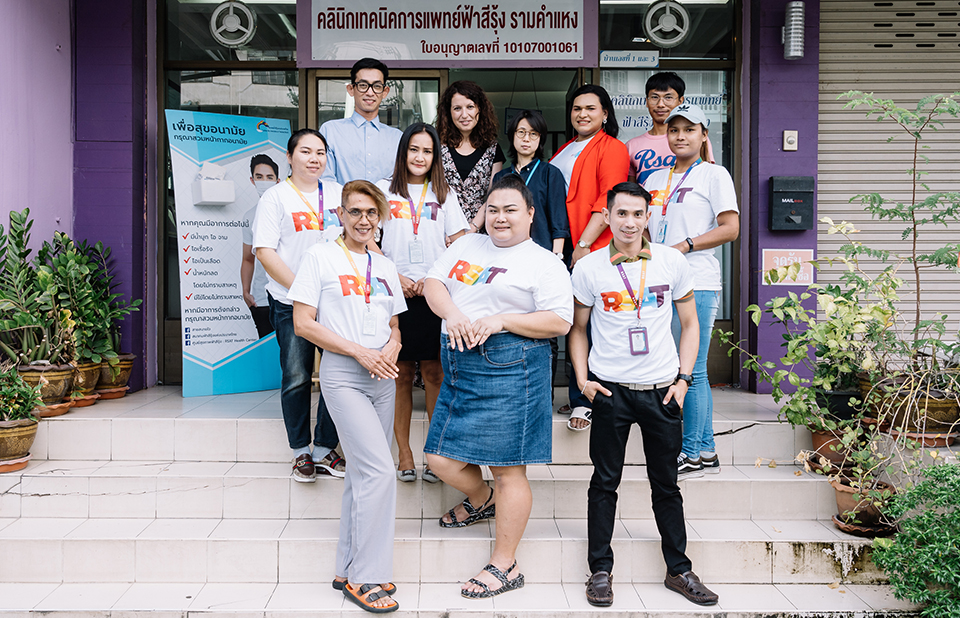

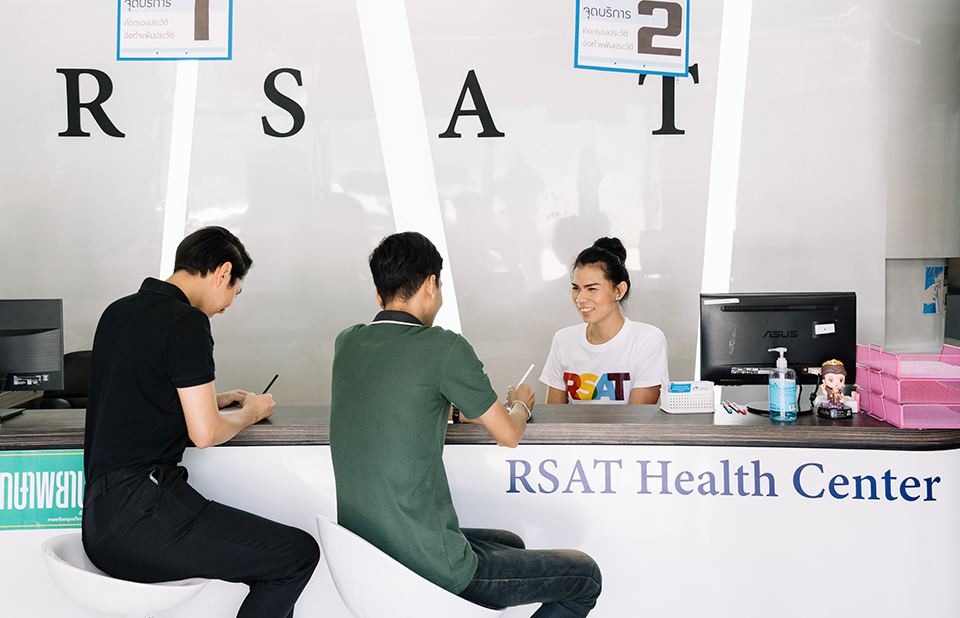
Boy Somjai and Jam Chainukul (not their real names) are a young same-sex couple from Bangkok, Thailand. At the start of their relationship, they decided to take HIV tests for the first time. Looking for information online, their friends suggested the Rainbow Sky Association of Thailand (RSAT), a community-based HIV clinic located off a busy street in Bangkok.
Read More
There are approximately 24 000 young people aged 15–24 years living with HIV in Thailand. In 2018, young people accounted for nearly half of the 6400 new HIV infections in the country.
Thailand has made great strides in its AIDS response, providing antiretroviral therapy free of charge as part of its universal health coverage scheme. However, adolescents and young people living with HIV often fall out of care or do not receive the support they need to remain on treatment. Self-stigma, stigma and discrimination and transition from paediatric care to adult care are some of the challenges faced by adolescents and young people living with HIV.
Read More


The UNAIDS Country Office in Thailand, with a small team of three staff members, is located in Bangkok. Orawan Bettenhausen, the Administrative Assistant, has been part of the team for almost 20 years. “Being part of the UNAIDS family has empowered and transformed me into who I am today. I have been very fortunate to have had country directors who have coached me, and great colleagues and peers, both within and outside of UNAIDS, who have assisted, supported and inspired me,” she said.
Read More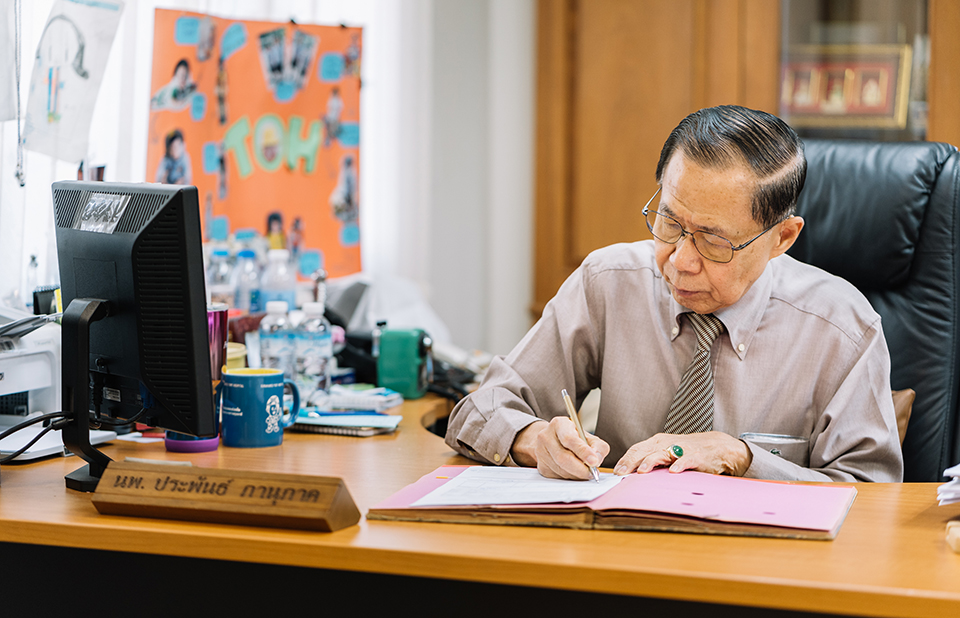
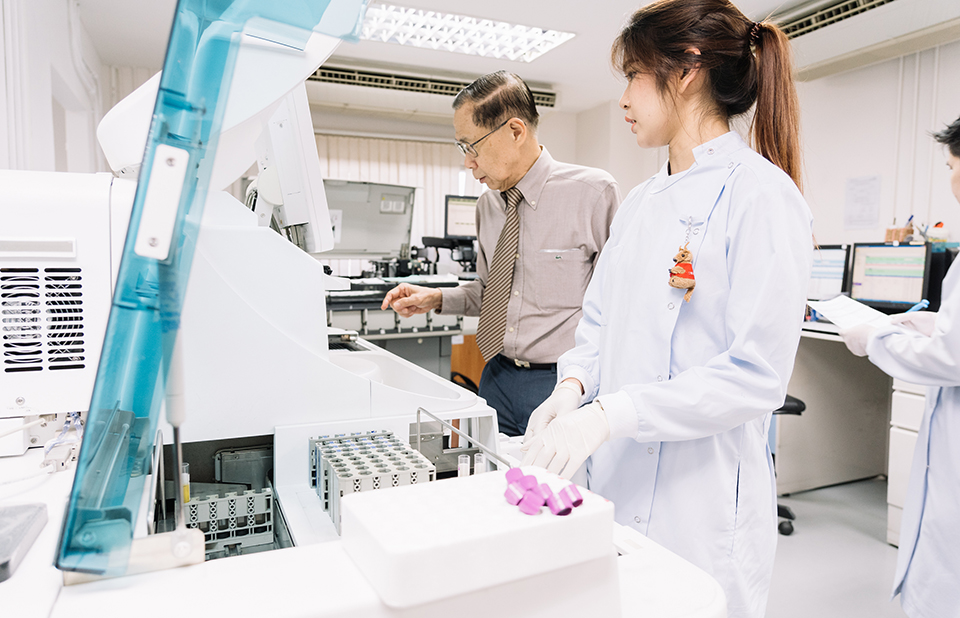
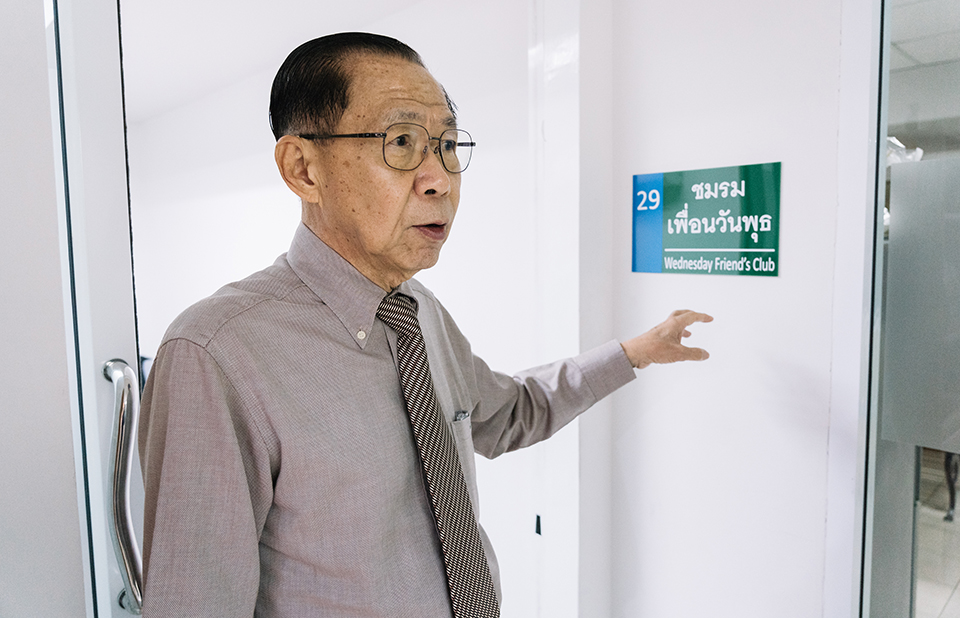
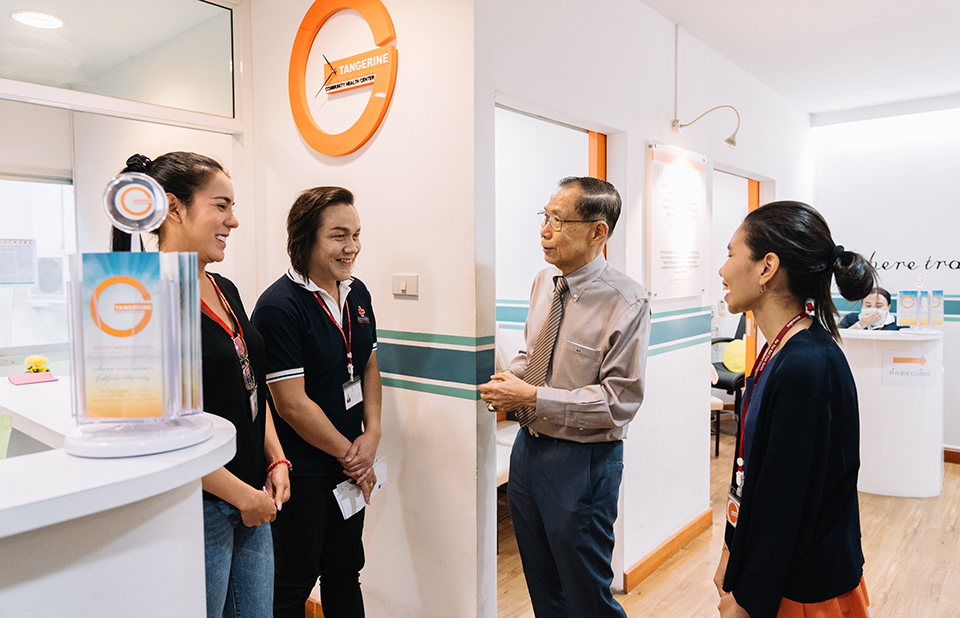
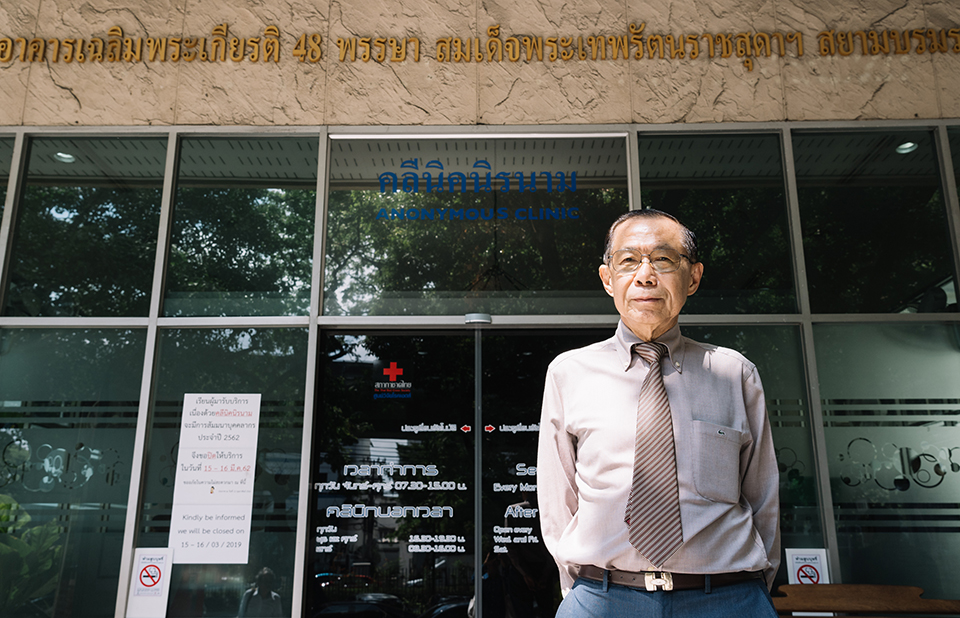
It is a morning like any other at the Thai Red Cross AIDS Research Centre, a civil society organization operating under the umbrella of the Thai Red Cross Society. In a building in the heart of Bangkok, nurses, doctors, counsellors and peer educators are busy with their daily work, providing HIV services for the 200 people who attend the Thai Red Cross Anonymous Clinic every day for medical check-ups, HIV tests and HIV prevention services, including condoms and pre-exposure prophylaxis (PrEP).
Read More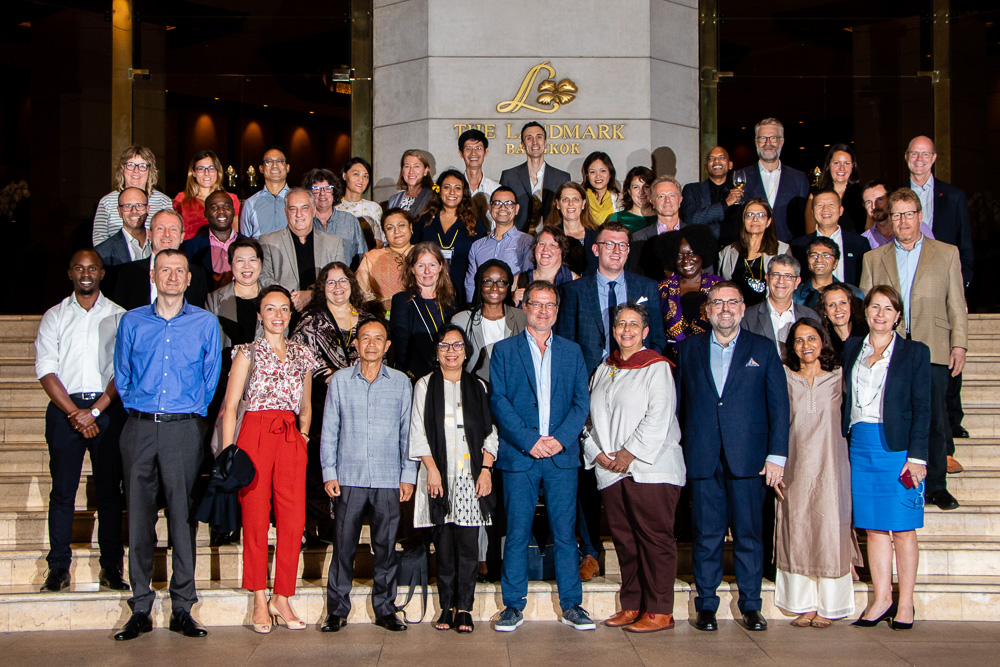
UNAIDS, PEPFAR, and Global Fund met in September to unite around a shared understanding of the evidence and interventions needed to end AIDS in Asia and the Pacific.
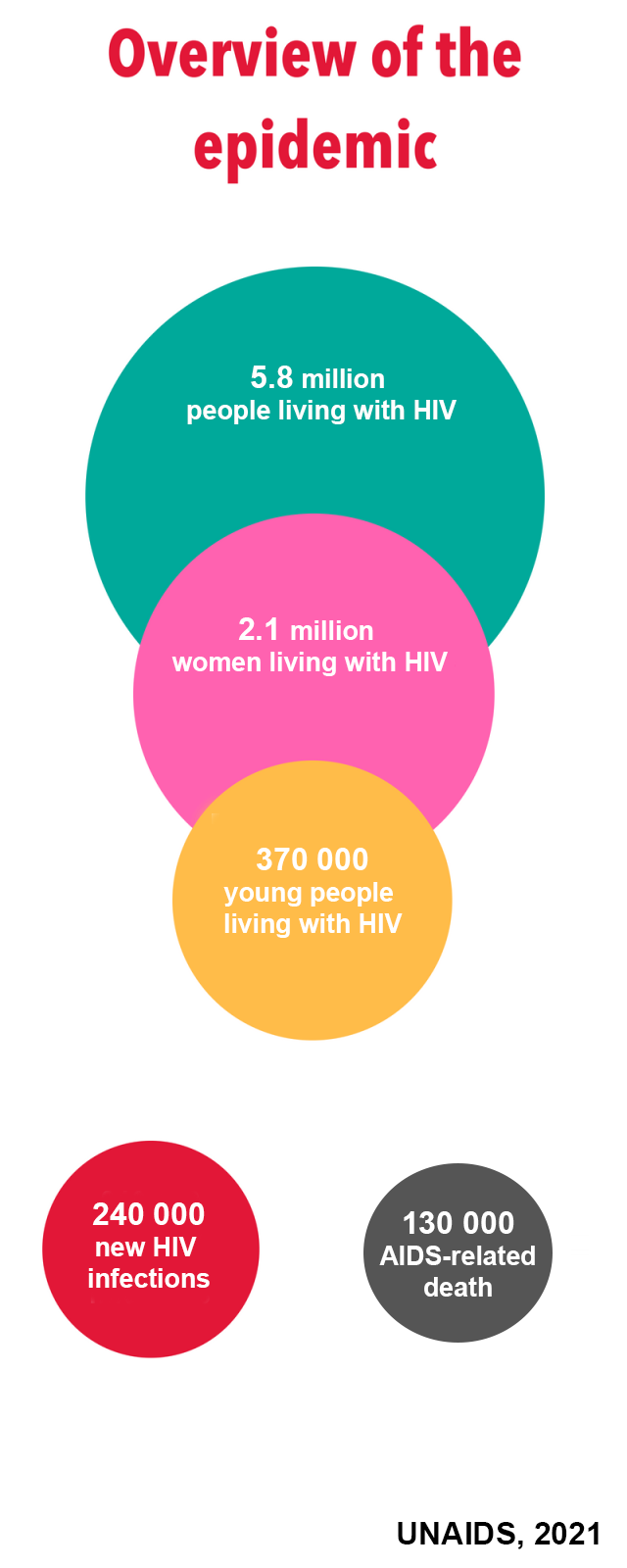
The region has seen a 9% decrease in new infections since 2010. This figure reflects a mixture of success in some areas but at the same time an alarming concerning increase and resurgence in epidemics in other areas. Key populations and their partners represent 78% of all new infections, with a large proportion not accessing sufficient HIV treatment and prevention services. Across countries, substantial gaps remain in the HIV testing and treatment cascade, with only 69% of PLHIV aware of their status and 54% accessing treatment. Read More



 UNAIDS Asia-Pacific