UNAIDS Asia-Pacific

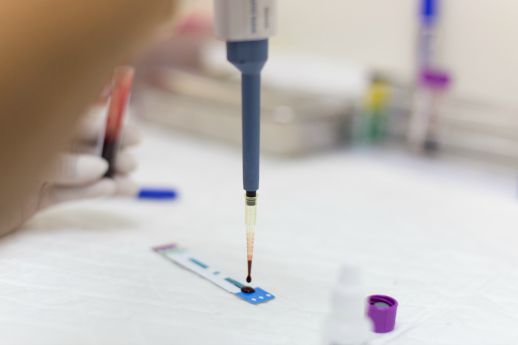
UNAIDS and the World Health Organization welcome the swift response by Chinese health authorities and community based organizations to the suspected leak of confidential information about people living with HIV in China over the last week. The two organizations stress that the leak of personal information of people living with HIV is a violation of the fundamental right to patient confidentiality.

In the past month many countries have held marches in support of lesbian, gay, bisexual, transgender and intersex people or LGBTI. While recently, the spotlight has been on transgender people, little is still known about intersex people.
Earlier this year the community organization, the Blue Diamond Society organized Nepal’s first ever national level meeting on the issues and challenges faced by Intersex people. Esan Regmi, an intersex man was lead facilitator. UNAIDS spoke to Esan, born – Parbati Kumari Regmi about his personal journey.

The Joint United Nations Programme on HIV/AIDS (UNAIDS) has appointed the popular singer and television personality Chalatit Tantiwut as UNAIDS National Goodwill Ambassador for Thailand. Mr Chalatit is an icon for the gay community and will help raise awareness and promote greater use of HIV prevention, treatment, care and support services particularly among men who have sex with men (MSM).
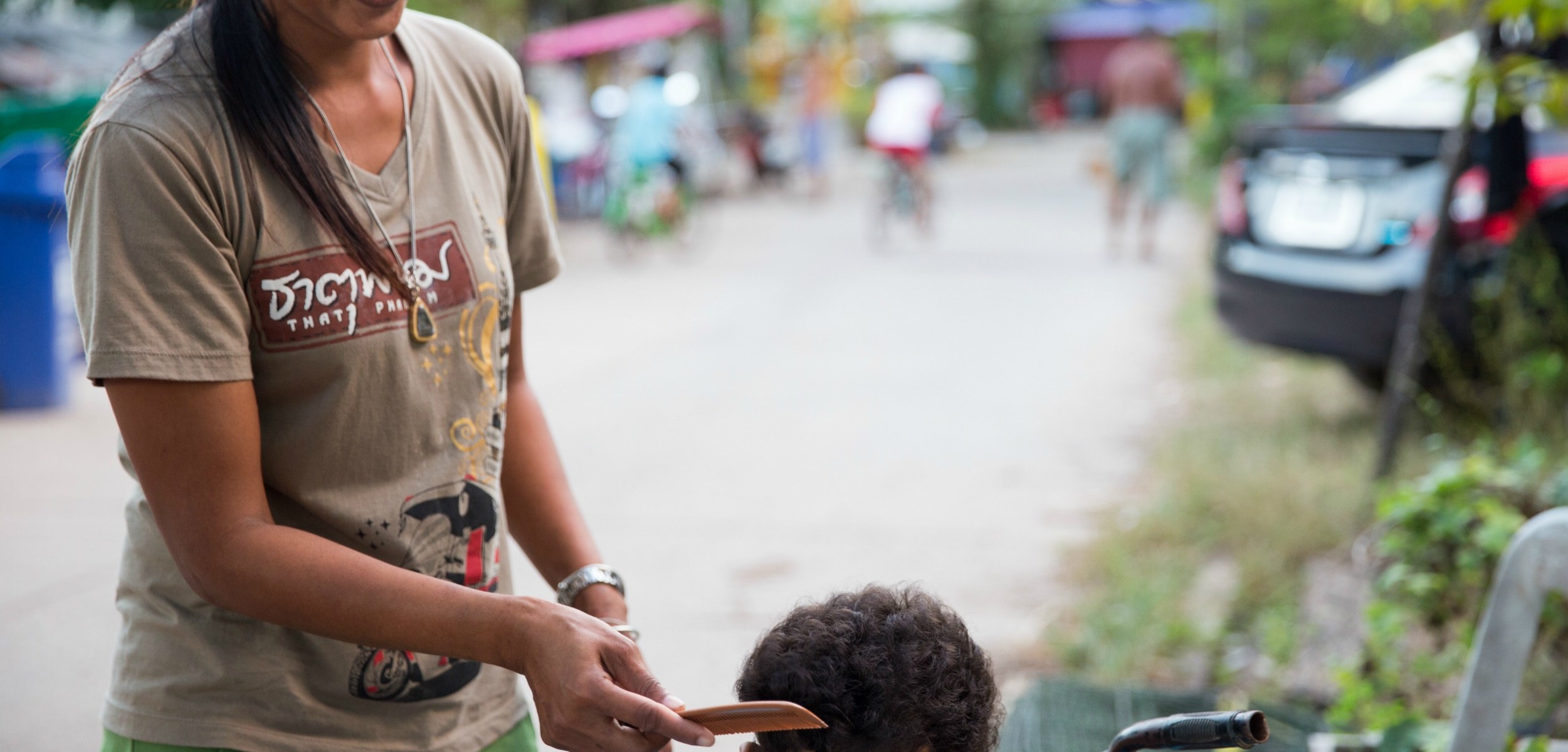
Sixteen years ago, Anya Nopalit was thrilled to learn she was pregnant, but then she received devastating news.
“I learned that I had HIV. I was really sad and disappointed. I wondered, why did this happen to me?” said Ms Nopalit, who lives in a fishing village in Chantaburi Province in southeast Thailand.

(The views and opinions expressed in interviews or commentaries are those of the interviewees and contributors and do not necessarily reflect the official policy or position of UNAIDS)
UNAIDS #LoveWithoutLabels campaign, which celebrates everyone’s right to choose their sexual identity and partners ends on 31 May. On the last day of the #LoveWithoutLabels campaign, we speak with a Filipino couple, Darren Eleazar Perez and Jeffry Acaba. Darren is a master’s degree student in Media and Communications and Jeff is the Education and Advocacy Lead of Youth LEAD, a regional network of young key populations. Both men are based in Bangkok, Thailand.

#LoveWithoutLabels is a campaign that recognizes and celebrates everyone’s right to choose their sexual identity and partners. Stigma and discrimination continue to affect many people who identify themselves outside of the gender binary. As a result, they are apprehensive, unsure and, at times, afraid to express themselves freely and show emotional and physical affection towards their partners. This stigma also leads to many people keeping their sexual and gender identities a secret and avoiding testing and treatment for sexually transmitted diseases including HIV.

COLOMBO, 2 May 2016—The Joint United Nations Programme on HIV/AIDS (UNAIDS) welcomes a decision by Sri Lanka’s Supreme Court to prohibit HIV discrimination in education settings.

It’s a year since Nepal was hit by a devastating earthquake which killed more than 8 000 people. The lesbian gay bisexual, transgender and intersex (LGBTI) community was particularly affected by the disaster. The Blue Diamond Society is dedicated to improving the sexual health, well-being and human rights of sexual minorities in Nepal and has about 218,000 members throughout the country. UNAIDS speaks to Manisha Dhakal, Executive Director of the Blue Diamond Society.