UNAIDS Asia-Pacific

Women’s rights, and their health, are entwined.
Read More
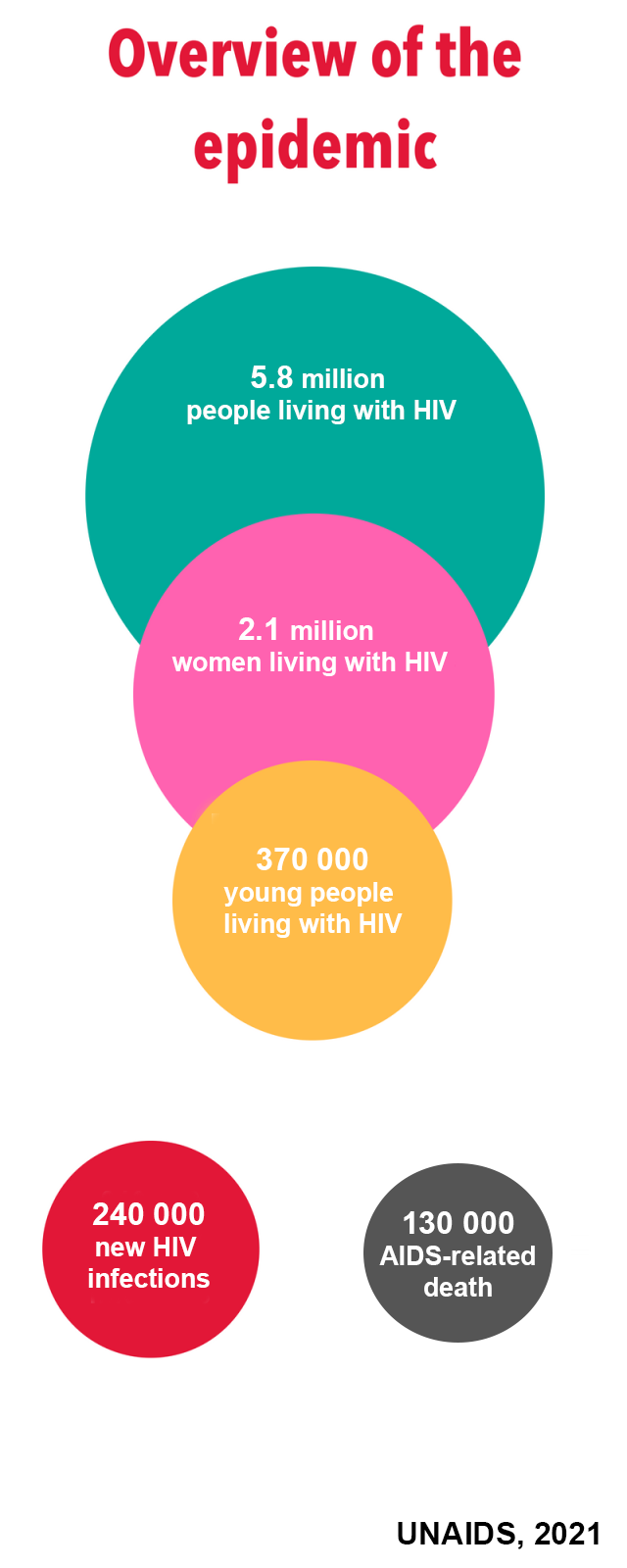
One-third of people living with HIV in Asia and the Pacific are women. But their issues are often hidden.
Gender-based violence. Restricted economic opportunities. Child marriage. Underage pregnancy. Denial of property rights.
Read More
Ibu Mawar (not her real name) learned she was living with HIV after receiving a test during an antenatal care visit.
“I was surprised, of course, when they told me. But I didn’t really doubt or deny the result,” she remembered from the Sorong City Health Office in West Papua. She immediately started treatment to prevent transmission to her son. “Even though I’m positive,” she said, “our child is not.”
Read More
From March 4 to 6, UNAIDS hosted ten multidisciplinary Asia Pacific country teams in Bangkok to strengthen their ability to plan, implement and optimize the National AIDS Spending Assessment (NASA) and other relevant resource tracking methodologies. Participants included communities living with, and affected by, HIV and representatives of Health Ministries, National AIDS Programmes and development partners. The participating countries were Bangladesh, Cambodia, Indonesia, Mongolia, Nepal, Pakistan, Philippines, Papua New Guinea, Thailand and Viet Nam. Over three days, they shared their experiences in using resource tracking data to influence policy decisions, bolstered their HIV resource tracking planning skills and learned how evidence from these assessments can be better leveraged to build more effective, efficient and sustainable HIV programmes.
Read More
A health- and rights-focused paradigm is needed to address the needs of people who use drugs
GENEVA/BANGKOK, 29 February, 2024—Commemorated on March 1st, Zero Discrimination Day was established by UNAIDS ten years ago to advance equality and fairness for all regardless of differences including HIV status, age, ethnicity, gender and sexuality. This year’s theme—”to protect everyone’s health, protect everyone’s rights”—stresses the link between human rights and public health. Countries are encouraged to create legal and policy environments that support evidence-informed and rights-based HIV responses for all people. This includes addressing stigma and discrimination in all settings.
Read More
PORT MORESBY, 22 February 2024— Ahead of Zero Discrimination Day, commemorated annually on March 1, UNAIDS Regional Director for the Asia Pacific and Eastern Europe Central Asia Regions, Mr. Eamonn Murphy, visited Papua New Guinea. The mission aimed to raise awareness, mobilize action, and advocate for urgent measures to address the country’s growing HIV crisis.
Read More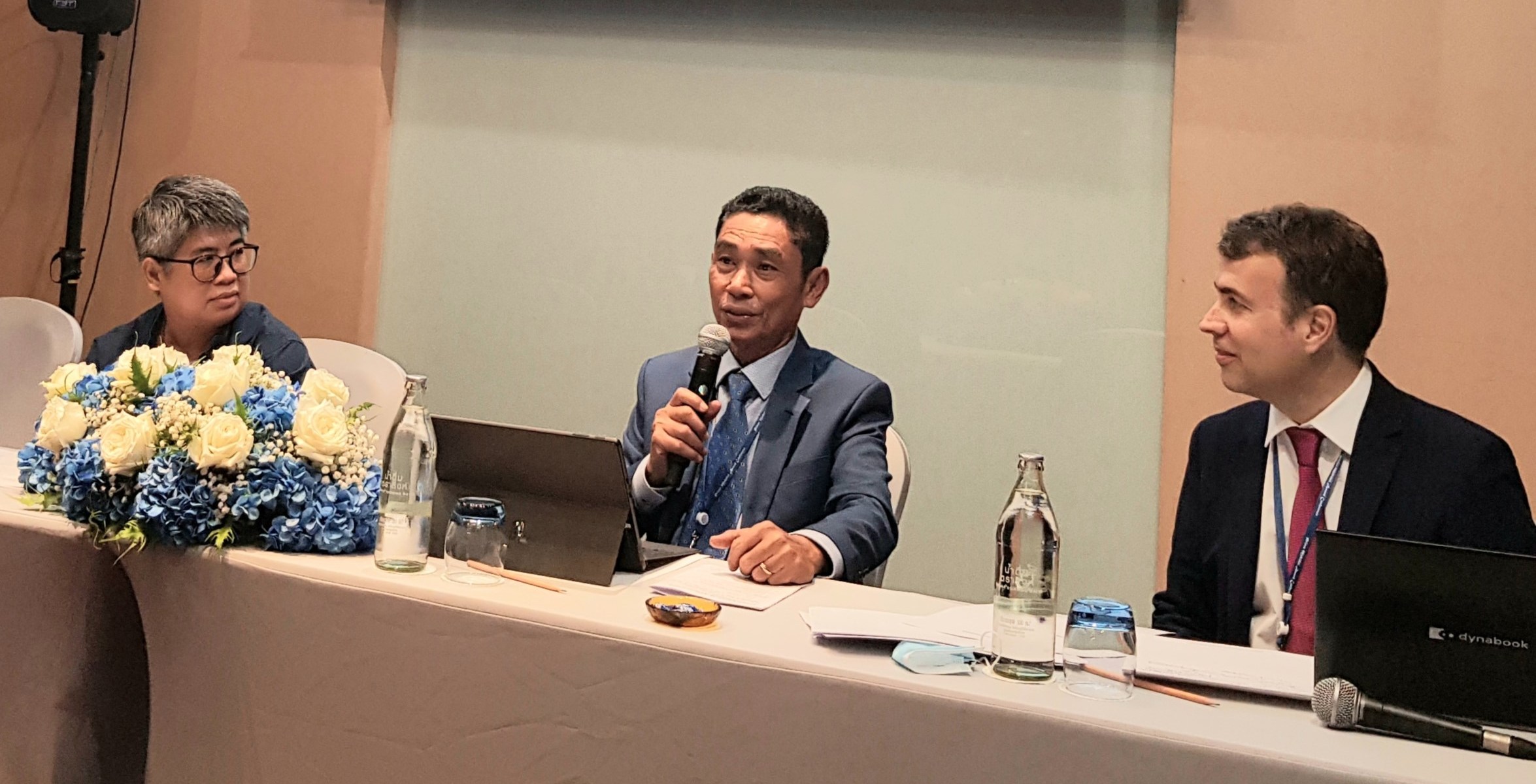
UNAIDS joined the Asian Development Bank in January to hold a side meeting at the Prince Mahidol Award Conference (PMAC) on “Sustaining Equitable Universal Health Coverage for Key and Vulnerable Populations”. The meeting featured a panel of experts from government, civil society, ADB and UNAIDS and The participants explored the roles of government and development partners in ensuring adequate financing for Universal Health Coverage in the current era of poly-crises.
Read MoreRegistration open: Sustaining equitable Universal Health Coverage for key and vulnerable populations
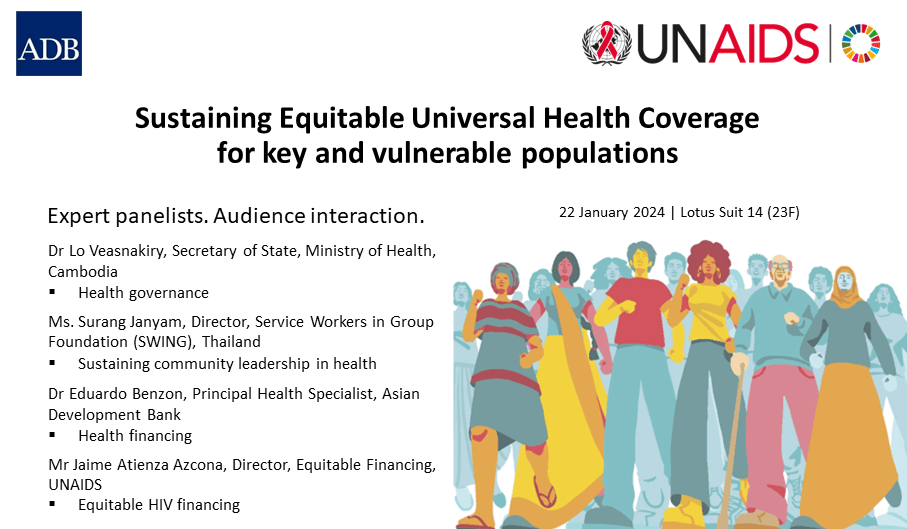
The UNAIDS Regional Support Team and Asian Development Bank will host a side meeting ahead of the 2024 Prince Mahidol Award Conference (PMAC) in Bangkok, Thailand on January 22nd. The event will explore how countries can ensure access to health services by key populations and marginalized populations. Registration is open until January 15th.
Read More