 UNAIDS Asia-Pacific
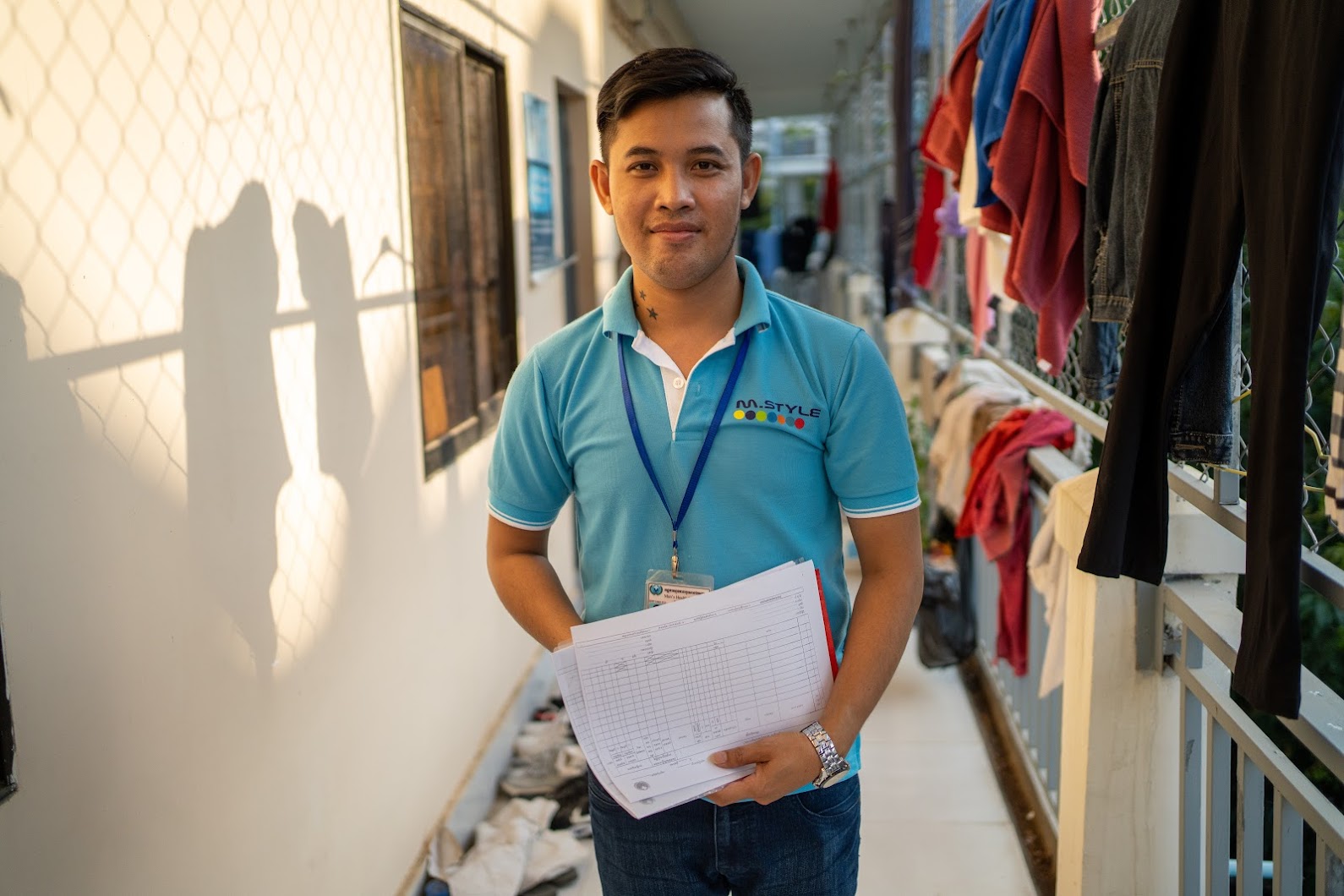
Chhum Vy, an outreach worker for Men’s Health Cambodia (MHC), lives in Steung Meanchey, a low-income neighborhood in southern Phnom Penh. She has converted her rental house into a makeshift community centre for gay and transgender people who live in the area. To get there you pass through a Buddhist temple compound, then head down narrow streets, just wide enough for a motorbike.
Read More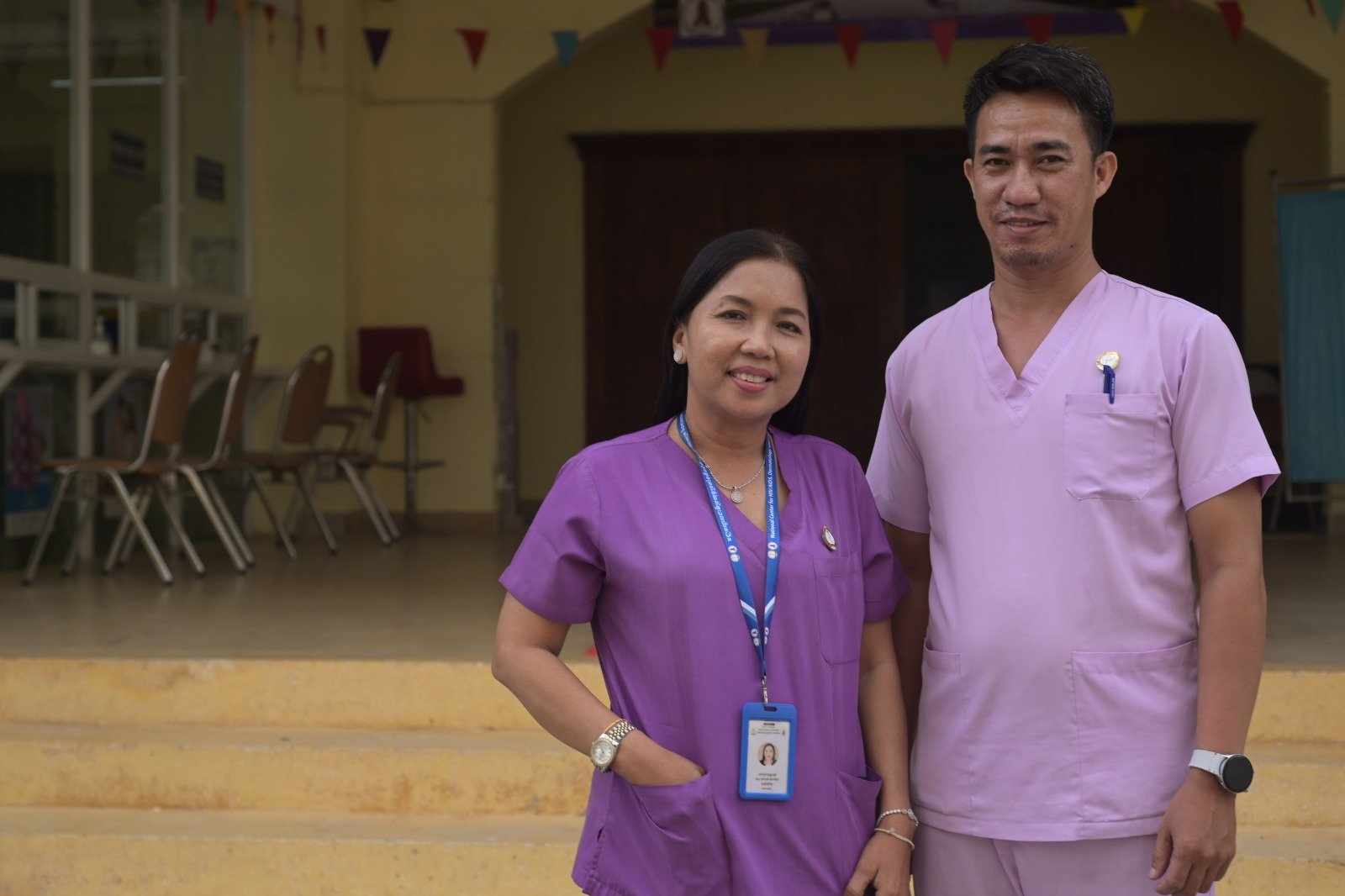
Arun Seang* works six days a week in a garment factory in Phnom Penh. In the past when he needed time off to go to the HIV clinic he came up with excuses. Now there’s no need. The National Clinic for AIDS, Dermatology and STDs (NCHADS) is open every day, including weekends.
Read More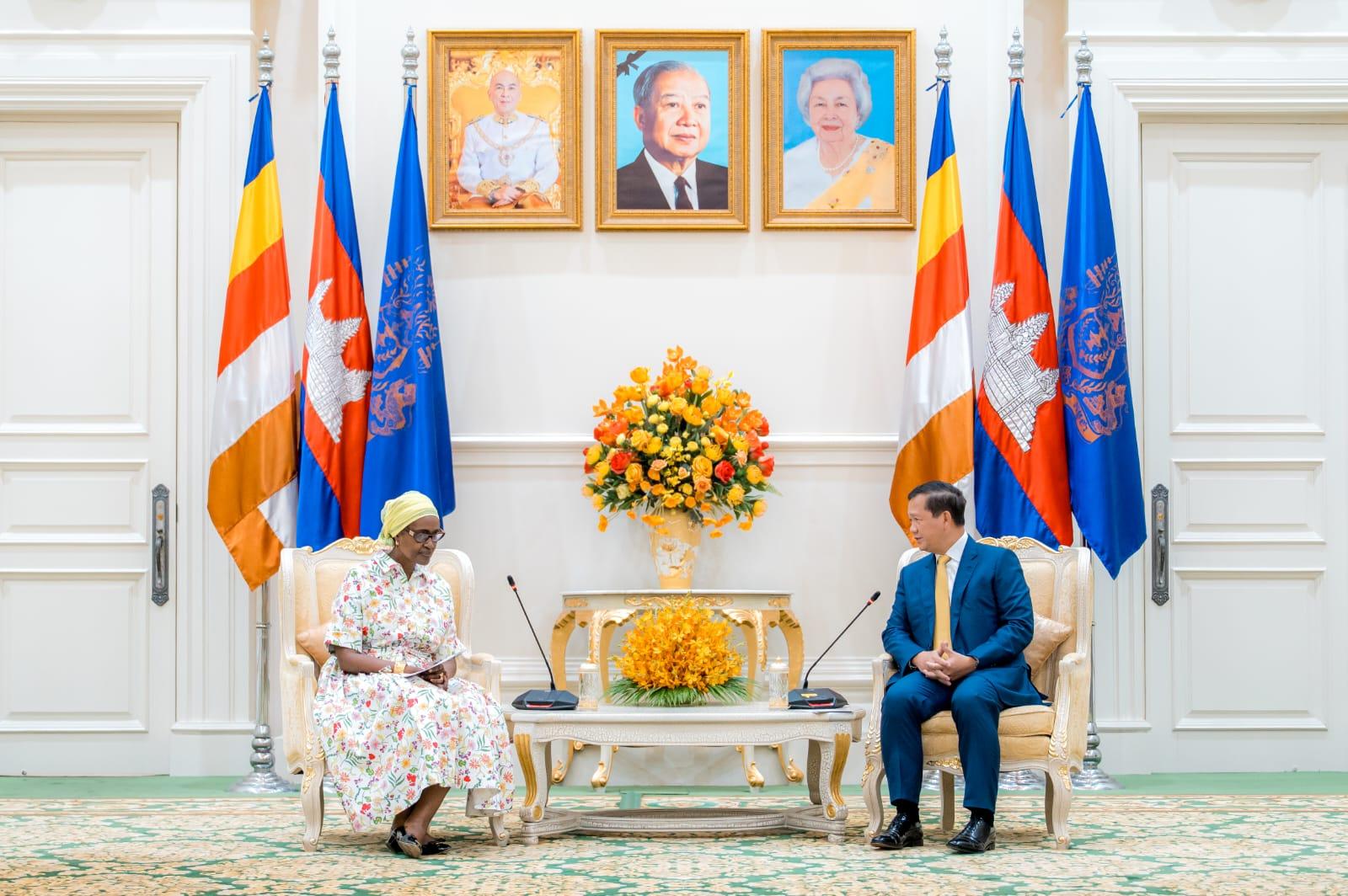
PHNOM PENH, 16 May 2025—UNAIDS Executive Director, Winnie Byanyima, saw firsthand Cambodia’s strong progress towards ending AIDS as a public health threat during her 12-16 May mission. Among other achievements, the country treats 100% of people who are aware of their HIV status. Key approaches include national roll-out of modern HIV prevention and treatment tools, community-led service delivery and social protection. During the visit she discussed the sustainability of the response with the Royal Government and partners.
Read More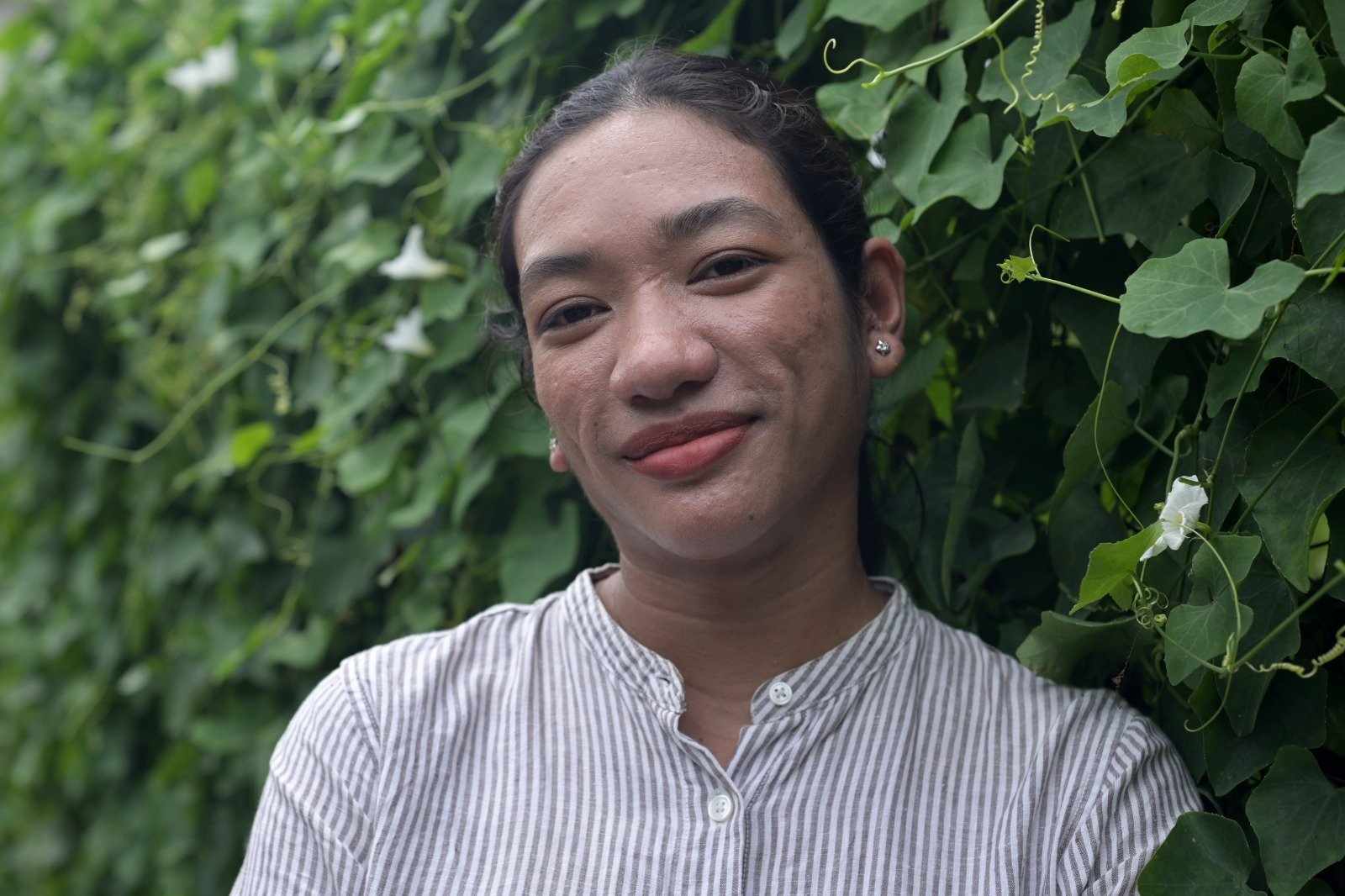
Em Ra disappears into the house twice, slipping past the shrine of flowers and incense by the front door. First, she brings out an old HIV magazine. She flips to a page of a small child, sitting on the back seat of a bike, looking straight into the camera. Next, she emerges with two framed photographs from a recent university graduation.
Read More
In 2010, at age 23, Ayu Oktariani learned she was HIV positive. Not only did she lose her husband to AIDS, but during her pregnancy her daughter was infected.
Read More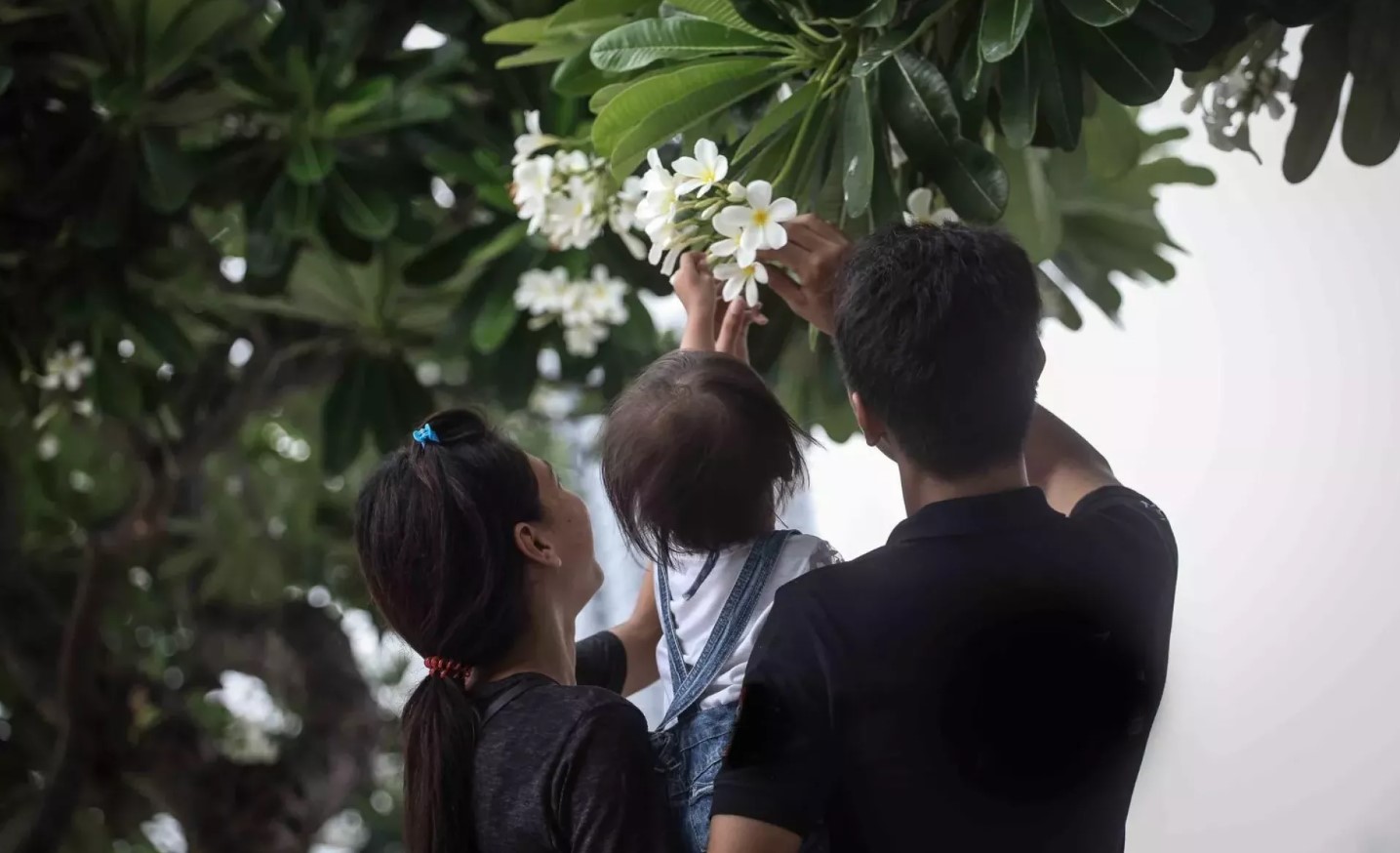
BANGKOK, 10 April, 2025—Every child deserves the best start to a healthy life, free from preventable diseases and infections. To this end, today the WHO, UNICEF and UNAIDS launched the Regional Roadmap for the Triple Elimination of Mother-to-Child Transmission (EMTCT) of HIV, Syphilis and Hepatitis B in the Asia and Pacific Region (2024–2030). This resource offers guidance to strengthen national strategies and operational plans to end these three diseases among children in the five years left to meet the 2030 Sustainable Development Goal target.
Read More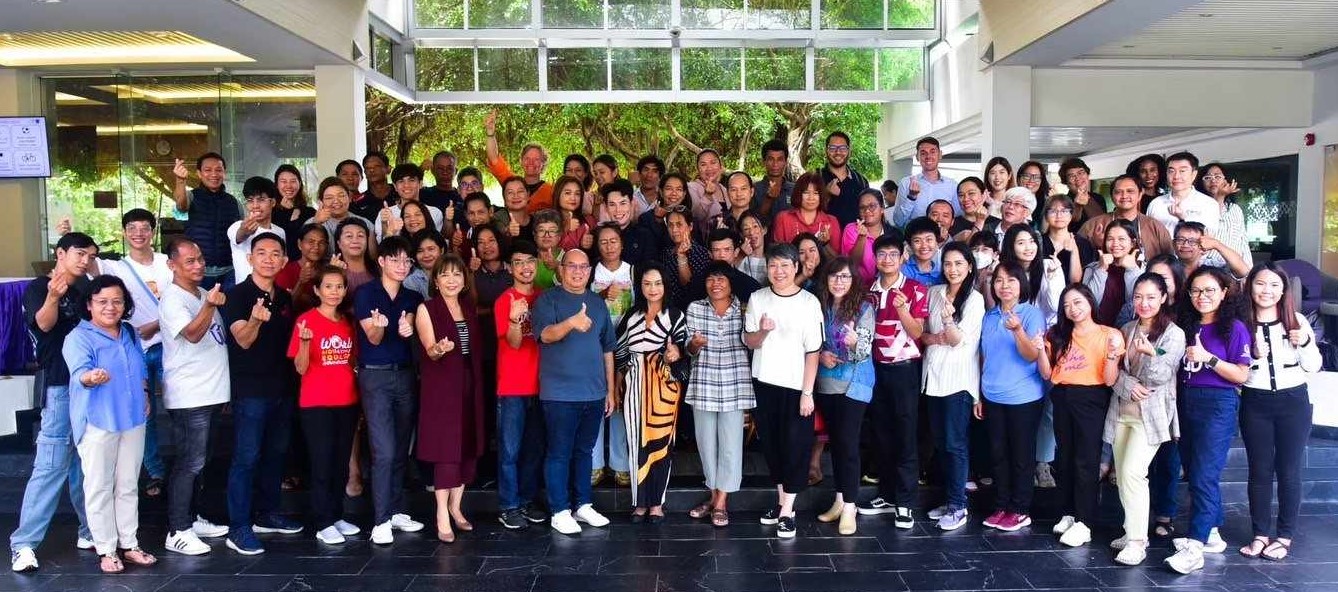
A woman living with HIV shows up to her community clinic for antenatal care. The nurses ask why she got pregnant.
A man living with HIV goes to his dental appointment. He arrives first, but the staff treat him last.
A young transgender woman learns she is HIV positive. She was already scared about how she would be treated. Now she’s doubly terrified.
A man living with HIV is hopeful when he applies to a new job. He’s dismayed when they demand an HIV test.
The Thailand Stigma Index 2.0 study was launched last week in commemoration of Zero Discrimination Day. It shows that despite a strong national HIV response, challenges simmer below the surface.
Read More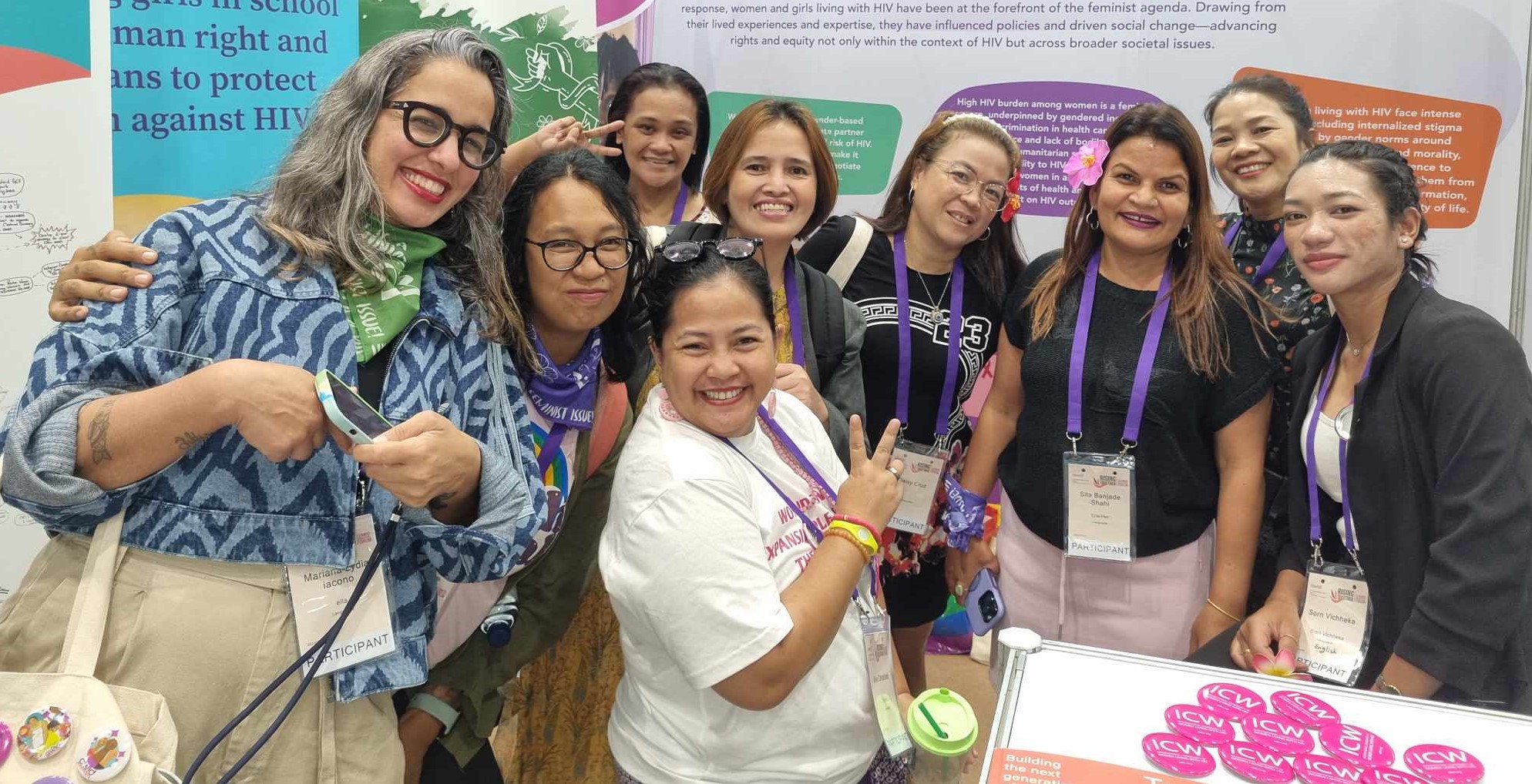
“In our country we are not the priority,” Daisy Cruz says plainly.
She is surrounded by other women living with HIV who agree. They share stories that are not often told about the epidemic in Asia and the Pacific. In a region where men living with the virus outnumber women roughly two to one, the issues of women and girls are often overlooked. They are all members of the International Community of Women Living with HIV Asia Pacific (ICWAP).
Read More



 UNAIDS Asia-Pacific