 UNAIDS Asia-Pacific
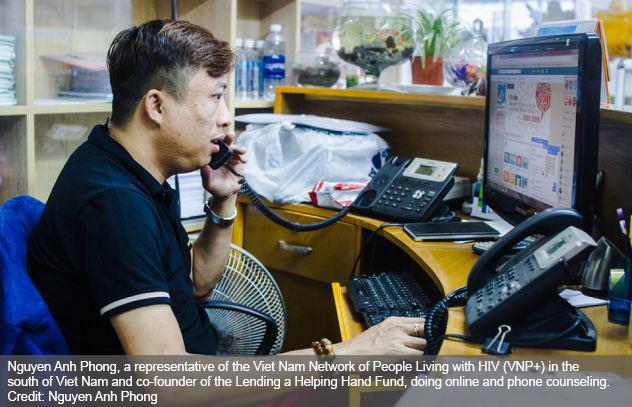
When the Vietnamese Government introduced social distancing mid-March 2020 to respond to COVID-19, Binh Nam (not his real name), already on distance learning from his college since February, lost his part-time job at a small company. He decided to leave Ho Chi Minh City, which had a cluster of confirmed COVID-19 cases, to settle back in his home town, about 300 kilometres away.
Read More


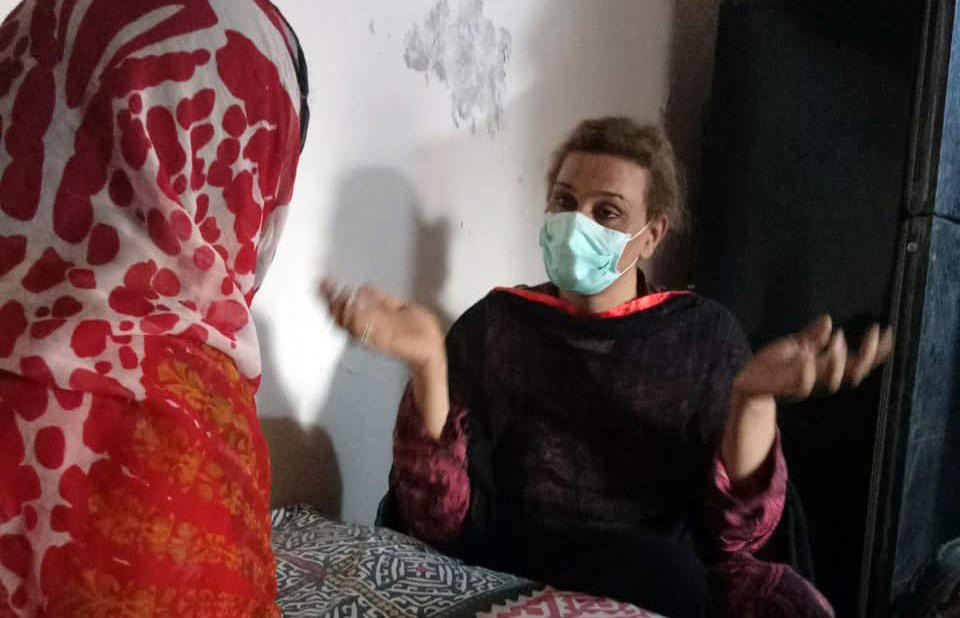
Sitting near her broken window, Ashee Malik (not her real name), a transgender woman who lives in Punjab Province, Pakistan, is counting her earnings, realizing that her income has fallen sharply. Her only source of money is dancing, begging and entertaining her clients, but since the lockdown imposed on 20 March to stop COVID-19, she hasn’t been able to leave her home. Her bright clothes are in her wardrobe, as is her makeup kit, laying unused for weeks. “We are concerned about our well-being, as we do not have enough resources to support ourselves and our families,” she said.
Read More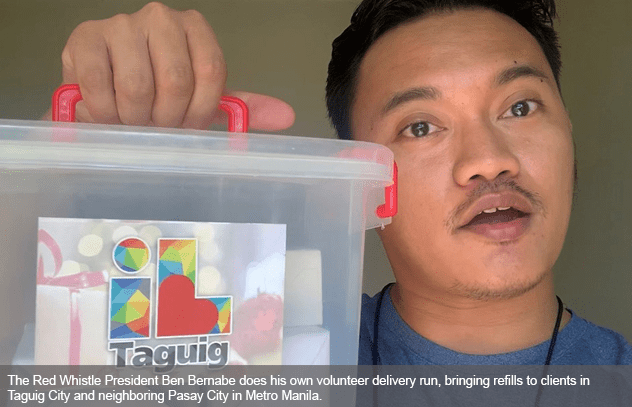
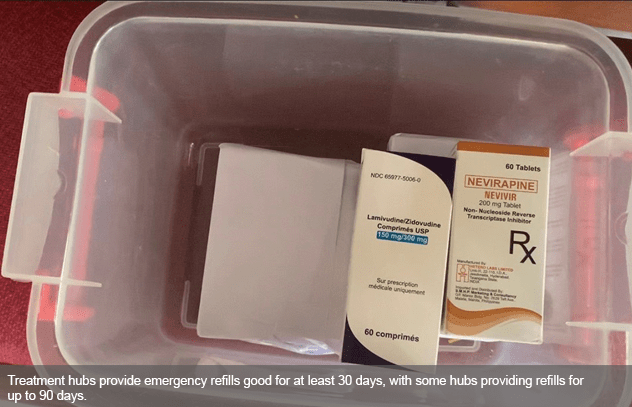
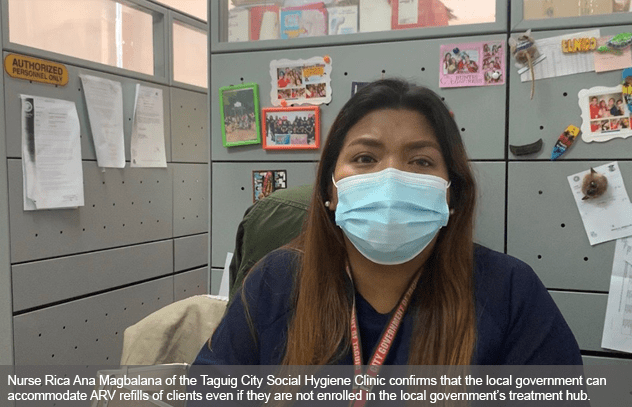
The COVID-19 pandemic and the lockdown imposed by the Government of the Philippines to curb the spread of the disease are impacting the lives of people living with HIV across the country, creating a serious challenge to accessing life-saving antiretroviral therapy. To help address those challenges, civil society organizations have come together to support people living with HIV to access treatment.
Read More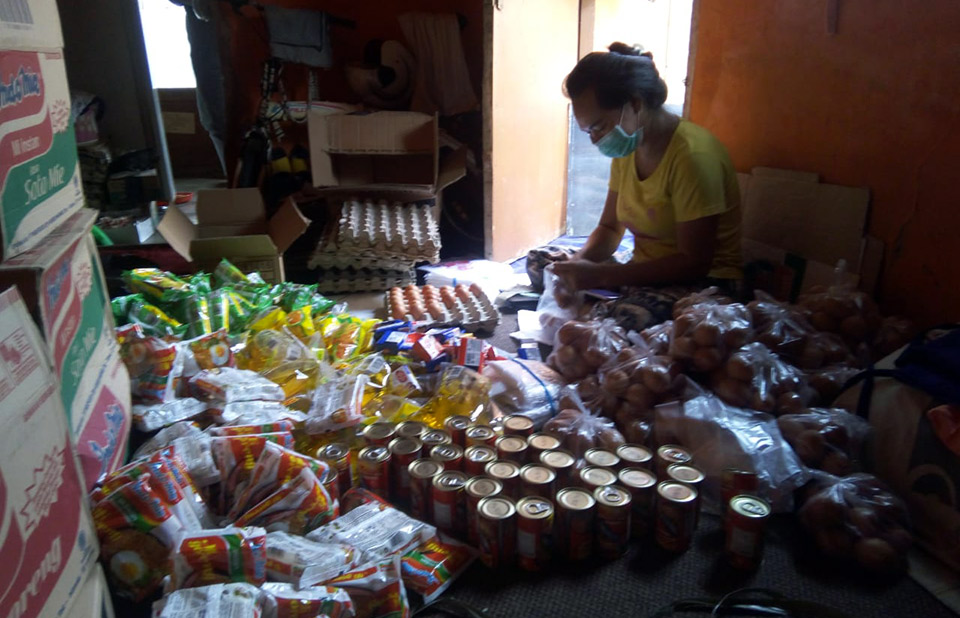


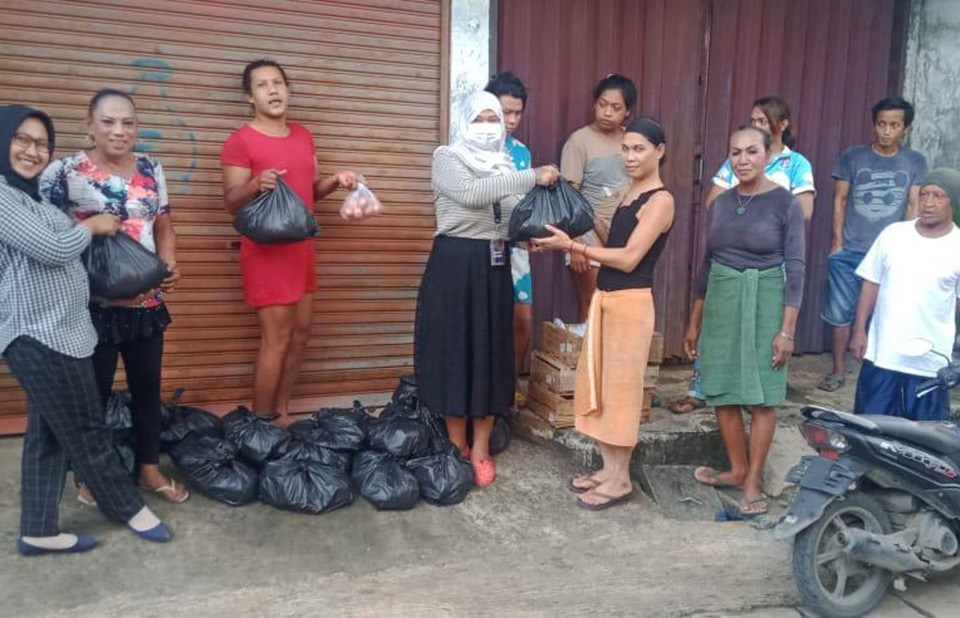
The COVID-19 pandemic has disrupted people’s lives around the world, including those of many marginalized people, who suddenly face additional burdens and vulnerabilities.
Many areas in Indonesia, which as of 6 April had 2491 confirmed cases of COVID-19 and 209 deaths, have put in place measures, such as physical distancing, to curb the spread of COVID-19. While effective in responding to the disease, many people have been impacted by the effects of physical distancing on the economy.
Read More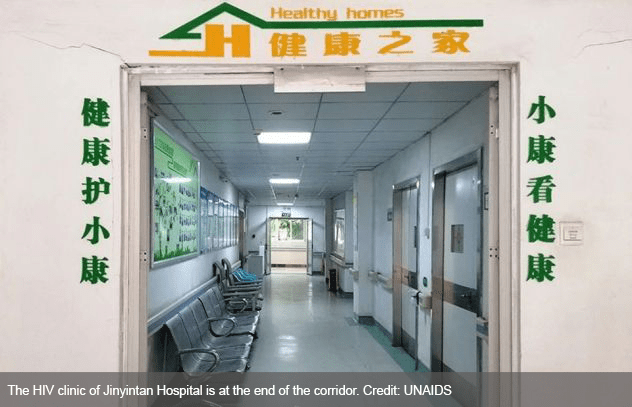
On the day of China’s Lantern Festival, 8 February, Shen Ming was making sweet dumplings, the traditional festival delicacy, at his home in Wuhan in China’s Hubei Province. From time to time, he would raise his head to watch the local news on the television to get the latest on the COVID-19 outbreak.
His paid particular attention to the new traffic restriction measures. Unlike most people in the city, who stayed indoors all day because of the lockdown, Shen Ming needed to go out almost every day—he is a volunteer who is driving people living with HIV to pick up their medicines from hospitals during the outbreak.
Read More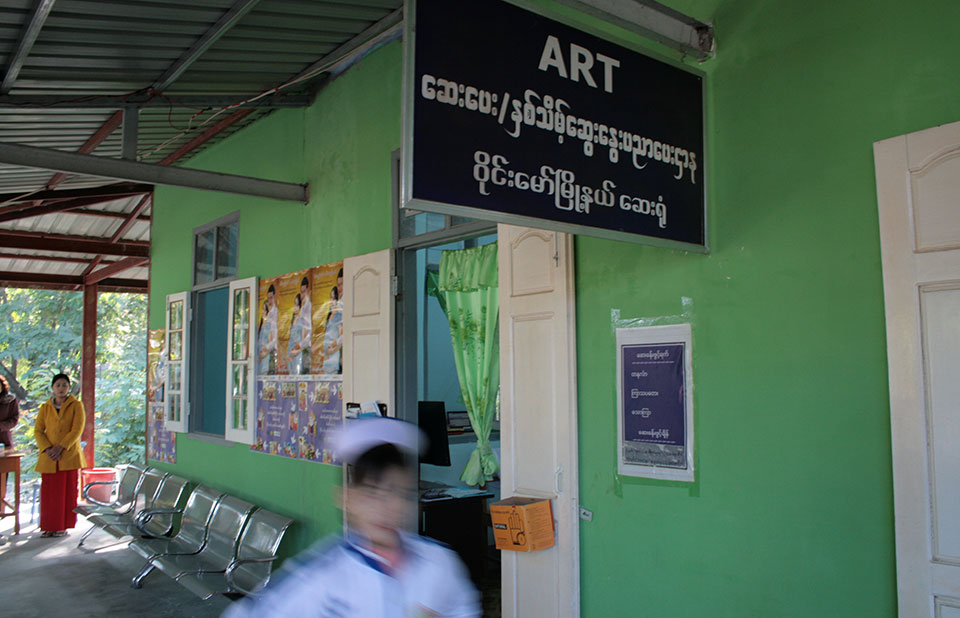
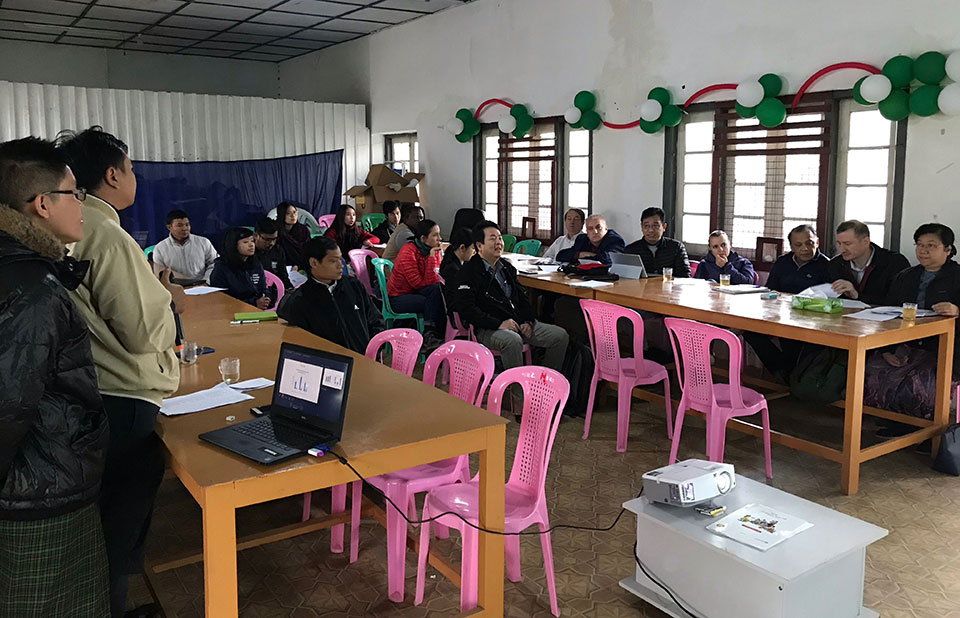
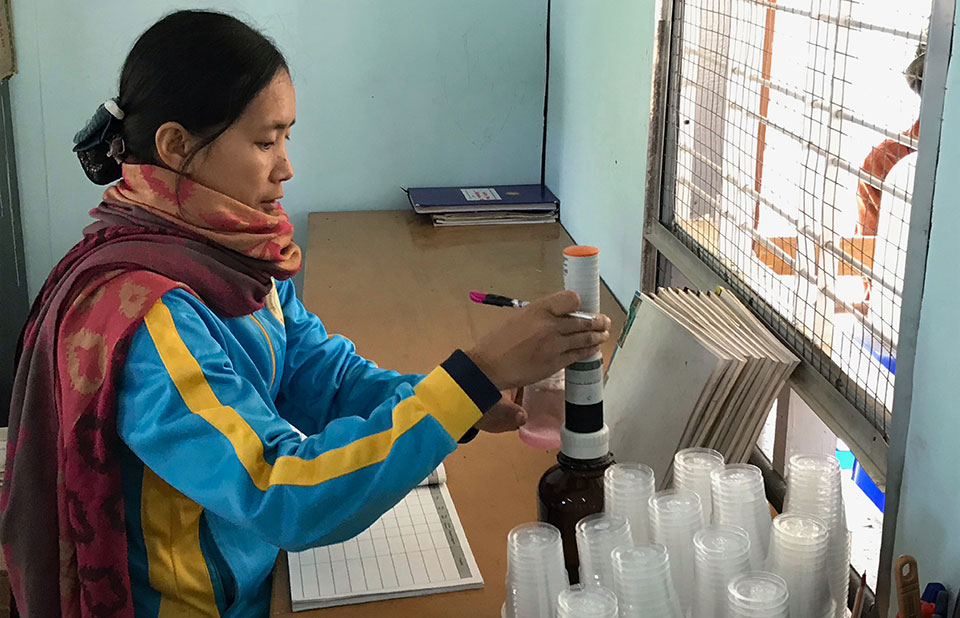

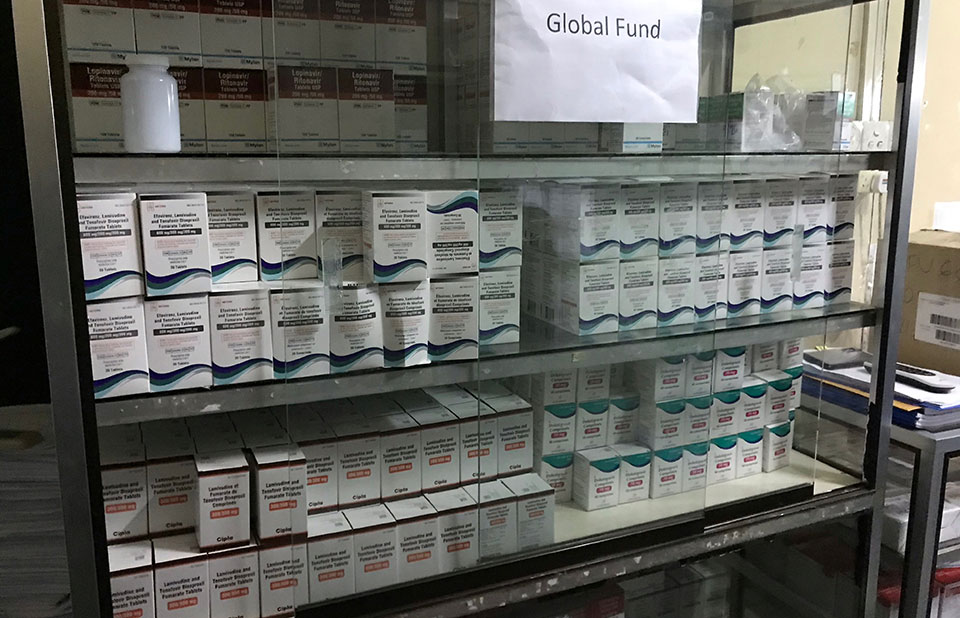
“People who inject drugs can access harm reduction services and HIV treatment, but they still don’t go for them. Why?” asked Deputy Director-General of Communicable Diseases of the Myanmar Ministry of Health and Sports, Thandar Lwin, while searching for ways to respond to the drug-related HIV epidemic in northern Myanmar.
Read More
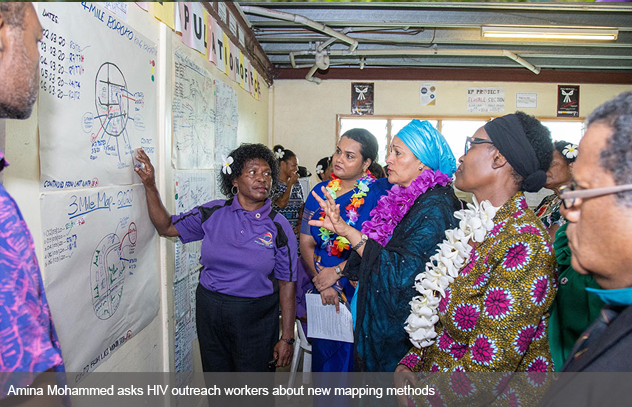

There are around 45 000 people living with HIV in Papua New Guinea, with marginalized groups, such as sex workers and other women who exchange sex for money, goods and protection, gay men and other men who have sex with men and transgender women, most affected. However, less than half of the people who belong to those vulnerable groups have ever taken a test to know their HIV status.
Read More


For six weeks, two teams covered 12 HIV clinics on a data checking mission in Papua New Guinea. UNAIDS joined the country’s strategic information technical working group in the National Capital District, which includes Port Moresby, to inspect the clinics’ records to see if they match the records of the National Department of Health.
Read More



 UNAIDS Asia-Pacific