UNAIDS Asia-Pacific
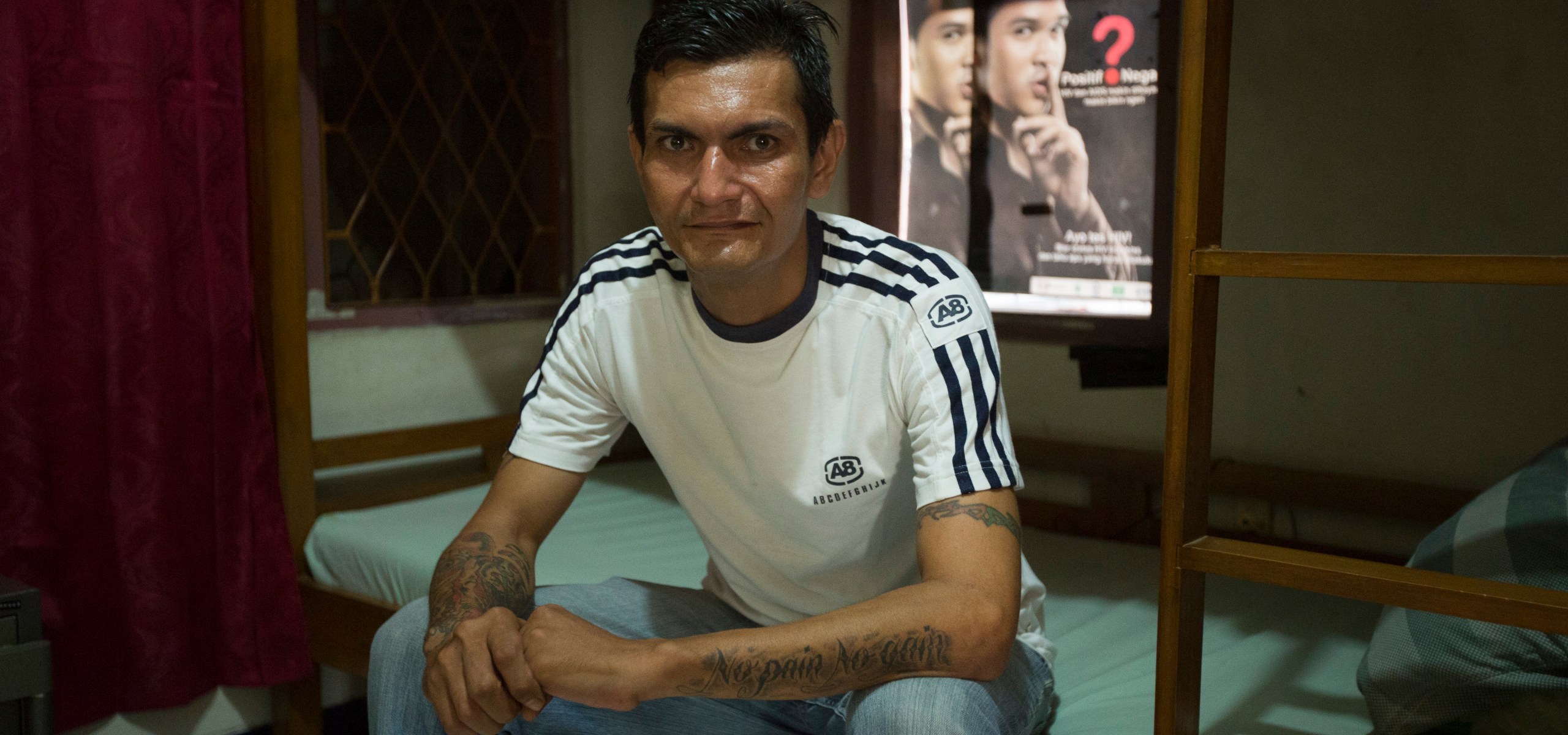
George started using drugs more than 10 years ago. At the time he lived in Jakarta, Indonesia, and worked as a driver for an international company. About one third of people who inject drugs globally live in the Asia and the Pacific region.
As George’s dependence on drugs became severe, he lost his job and could no longer provide for his wife and young children. “All I could think about was where I would get my next hit. I lied. I stole. I hated myself,” recalled George.

The Minister of Health of Nepal, Gagan Kumar Thapa stands ready to lead an HIV response that has the scope, scale, intensity, quality, speed and innovation to end the AIDS epidemic as a public health threat in Nepal by 2030. He made this commitment during a meeting with the United Nations Secretary-General’s Special Envoy for AIDS in Asia and in the Pacific, J.V.R. Prasada Rao, and the Director of the UNAIDS Regional Support Team for Asia and the Pacific, Steve Kraus, who conducted an official mission to Kathmandu from 26-30 September. Read More

The intergovernmental organization commits to accelerated action and increased investment to end the AIDS epidemic by 2030
BANGKOK, 20 September 2016—The Heads of State of the ten Association of Southeast Asian Nations (ASEAN) member states have endorsed the ASEAN Declaration of Commitment on HIV and AIDS: Fast-Tracking and Sustaining HIV and AIDS responses to end the AIDS epidemic by 2030. This endorsement occurred during the 28th and 29th ASEAN Summits and Related Summits which took place in Vientiane, Lao PDR from 6-8 September. Read More

Teenage pregnancy is a significant problem in Thailand, which has one of the highest rates in Southeast Asia. Emerging photographer ‘Gap’ Tanaphon Ongarttrakul followed the struggles of three teenage couples, who found themselves unexpected parents. His camera captures their struggles with overwhelming responsibilities. His photographic essay was shown for the first time at the Foreign Correspondents Club of Thailand in Bangkok. The fine arts student at Rangsit University speaks with UNAIDS about what compelled him to take on this difficult topic.

(The views and opinions expressed in interviews or commentaries are those of the interviewees and contributors and do not necessarily reflect the official policy or position of UNAIDS)
Lieu Anh Vu is the new Health and Innovation Strategist for Asia for Hornet, a gay dating application with a cause. The application with about fifteen million users has recently invested in a new bid to use the application to aid the HIV movement. On the occasion of the International Youth Day this year, UNAIDS speaks to an inspirational young gay man who has turned his passion for the greater good into a successful career.
UNAIDS: Please tell us a little bit about the work you do at Hornet. What made you decide to work with Hornet?
I mainly run interventions so that the gay community can use the app to know more about HIV testing and other HIV services. Gay men don’t meet new guys outside as much as they do online anymore, they don’t meet at bars or malls, people begin dating online. I have worked for HIV and Human Rights issues for a few years now, for different civil society organisations and also the UN. I realized that the online space has become very important to mobilize and reach LGBTI people. The opportunity came when I met the CEO of Hornet, we talked and I realized that I could use this app engage the gay community in an exciting and entertaining way while shedding light on HIV issues.
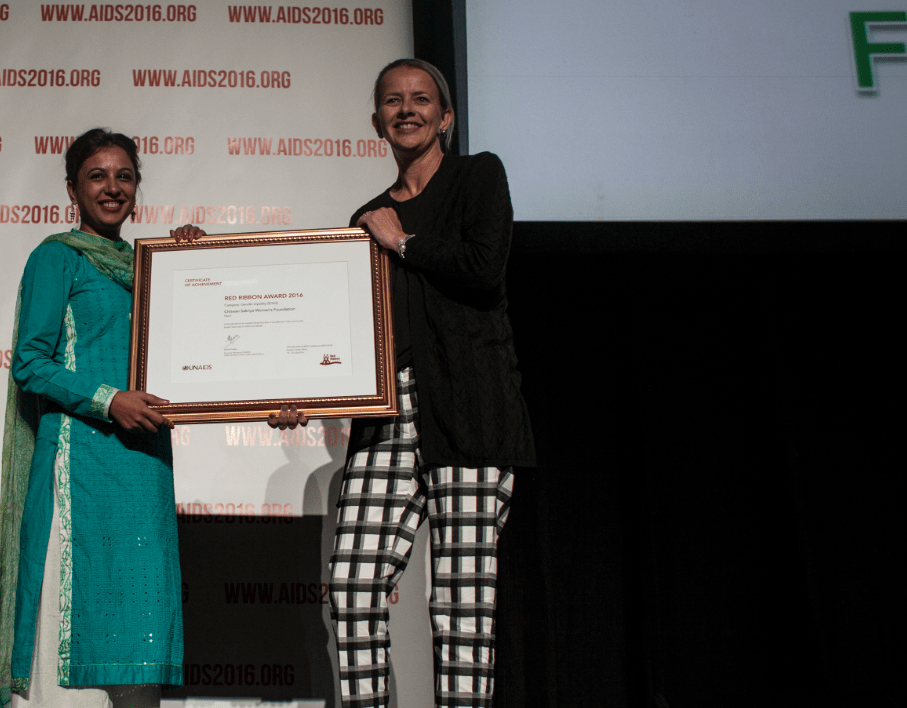
The Red Ribbon Award is given every two years to exceptional community-based organizations around the world. The winners of the most recent edition of the award were announced earlier this summer at the 21st International AIDS Conference in Durban, South Africa. Chitwan Sakriya Women’s Foundation in Nepal was one of the winners recognized for their inspiring work. UNAIDS spoke to Dikshya Rimal, President of Chitwan Sakriya Women’s Foundation about this huge achievement. Read More

September 13th is the anniversary of the UN Declaration of the Rights of Indidenous Peoples. The United Nations finds that there are an estimated 370 million indigenous people in the world, living across 90 countries. While indigenous people make up less than 5 per cent of the world’s population, they account for 15 per cent of the poorest. HIV among indigenous populations is an emerging public health concern. Earlier this summer the Red Ribbon Award was given to the INA Foundation, which is a community-based organization in New Zealand that advocates for the inclusion and leadership of the indigenous communities in the effort to end the AIDS epidemic. UNAIDS spoke to Marama Pala, the Executive Director of INA.

UNAIDS and the World Health Organization welcome the swift response by Chinese health authorities and community based organizations to the suspected leak of confidential information about people living with HIV in China over the last week. The two organizations stress that the leak of personal information of people living with HIV is a violation of the fundamental right to patient confidentiality.