UNAIDS Asia-Pacific
(The views and opinions expressed in interviews or commentaries are those of the interviewees and contributors and do not necessarily reflect the official policy or position of UNAIDS)
31 March is International Day of Transgender Visibility, which celebrates the achievements of transgender people as well as raises awareness of the discrimination and challenges the community can face. Employment is an area where there is often discrimination, but there are increasing openings for transgender people in a wide range of professions and management positions.
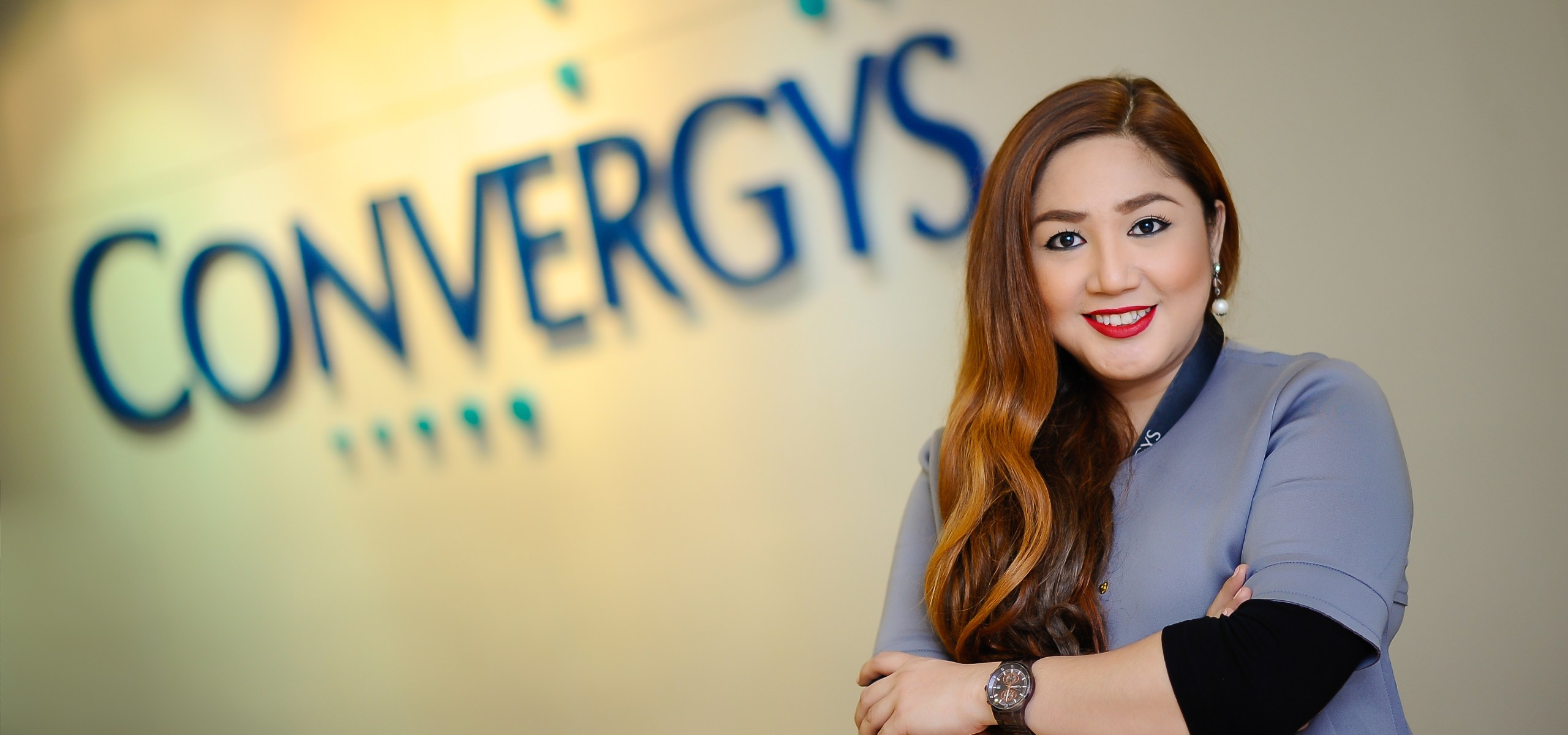
UNAIDS showcases this progress by catching up with one transgender professional from the Philippines who is breaking the glass ceiling in the corporate world. Born as John Paul Ortega, PeeJay is a transgender woman in her early thirties. She is a manager with Convergys Philippines, which is a leading business process outsourcing company. At work, PeeJay is fondly known as Mandee. Read More

The 60th session of the Commission on the Status of Women is taking place at the United Nations Headquarters in New York from 14-24 March. The session is looking at women’s empowerment and its link to sustainable development. In Southeast Asia, the Mekong River is a vast waterway with a diverse range of cultures. Christine McNab is a Canadian who has been living in Bangkok for several years. This year, she’s working on a project to highlight the lives of women who live along the Mekong River.
UNAIDS spoke to Christine about her personal decision to launch this photography project and the stories she has uncovered so far.
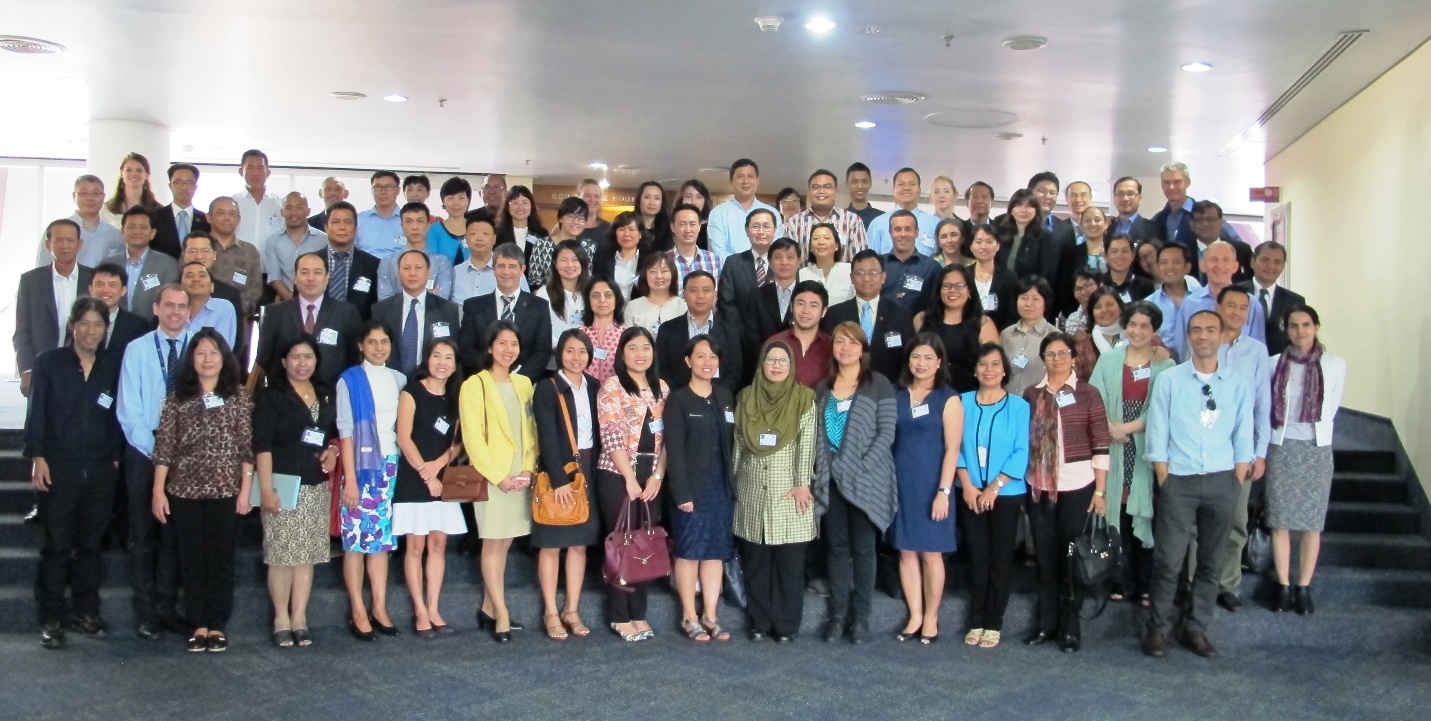
Innovative multi-sectoral approaches are urgently needed to achieve equitable and sustainable access to lifesaving medicines, diagnostics and vaccines, said experts at a regional consultation from 15-17 March in Bangkok.
More than 75 participants from nine Asian countries attended the three-day meeting at the United Nations Conference Centre, including representatives from government, civil society and development partners. The ‘Regional Expert Consultation on Access to Affordable Medicines, Diagnostics and Vaccines’ was organized by the United Nations Development Programme (UNDP), the United Nations Economic and Social Commission for Asia and the Pacific (ESCAP) and the Joint United Nations Programme on HIV/AIDS (UNAIDS), in collaboration with the Asia Pacific Network of People Living with HIV (APN+) and the Asia Pacific Coalition of AIDS Service Organisations (APCASO).
The 60th session of the Commission on the Status of Women is taking place at the United Nations Headquarters in New York from 14-24 March. It is an opportunity to review progress towards gender equality and the empowerment of women. The review theme is the elimination and prevention of all forms of violence against women and girls.
There are 1.7 million women living with HIV in Asia and the Pacific and gender-based violence is one of the contributors to HIV vulnerability.
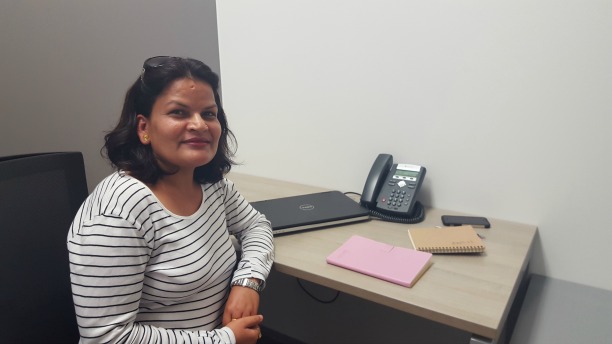
Sita Shahi is a woman living with HIV from Nepal, who has recently moved to Bangkok to take up her new position as the Regional Coordinator for the International Community of Women living with HIV in Asia and the Pacific (ICW). Sita spoke to UNAIDS about her own journey from fear and despair to hope and self-empowerment.

“I fell into sex work,” said “Soi” Phathranis Meekrua. “I was a hair stylist and many of my clients were sex workers. One day they invited me to come along and visit them in the street. I was approached by a customer and thought why not have sex.”

For Sakaodeuan Somkate the day she learnt about her status is as fresh as ever. “I remember it was raining. I was told my test result was positve, I couldn’t believe it was me. I kept crying and crying.”

Renato Nocos is a hair stylist from the Philippines and he has a message for employers, “The best way to treat people living with HIV is with respect. Educate yourself about HIV and show your support.”
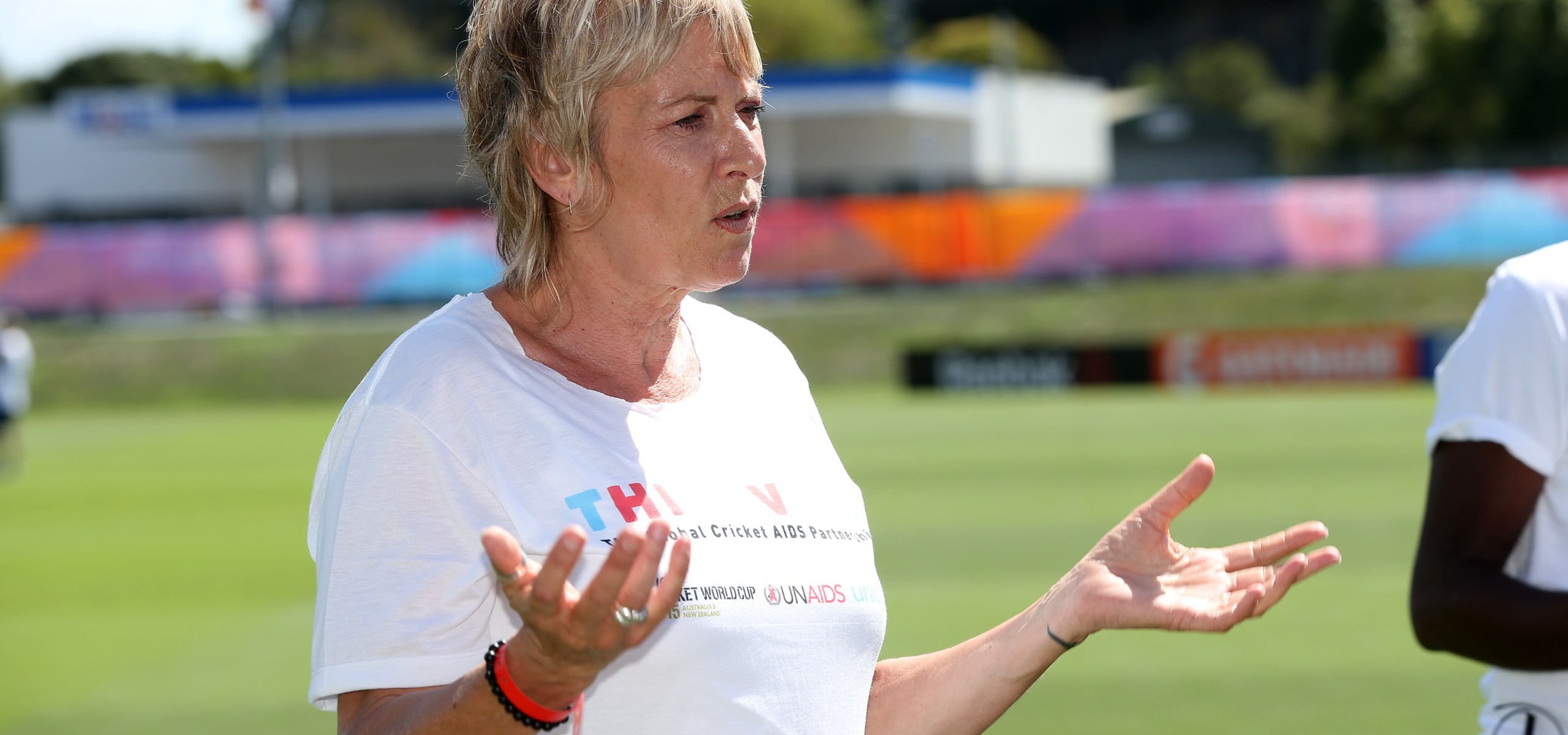
Earlier this month the M.A.C. AIDS Fund, M.A.C. Cosmetics philanthropic foundation, presented Positive Women Inc., a support group for women living with HIV and their families in New Zealand, with $148, 201 NZD grant. Jane Bruning, National Coordinator of Positive Women Inc told UNAIDS how the funds come at a critical time. Read More