 UNAIDS Asia-Pacific
Archives
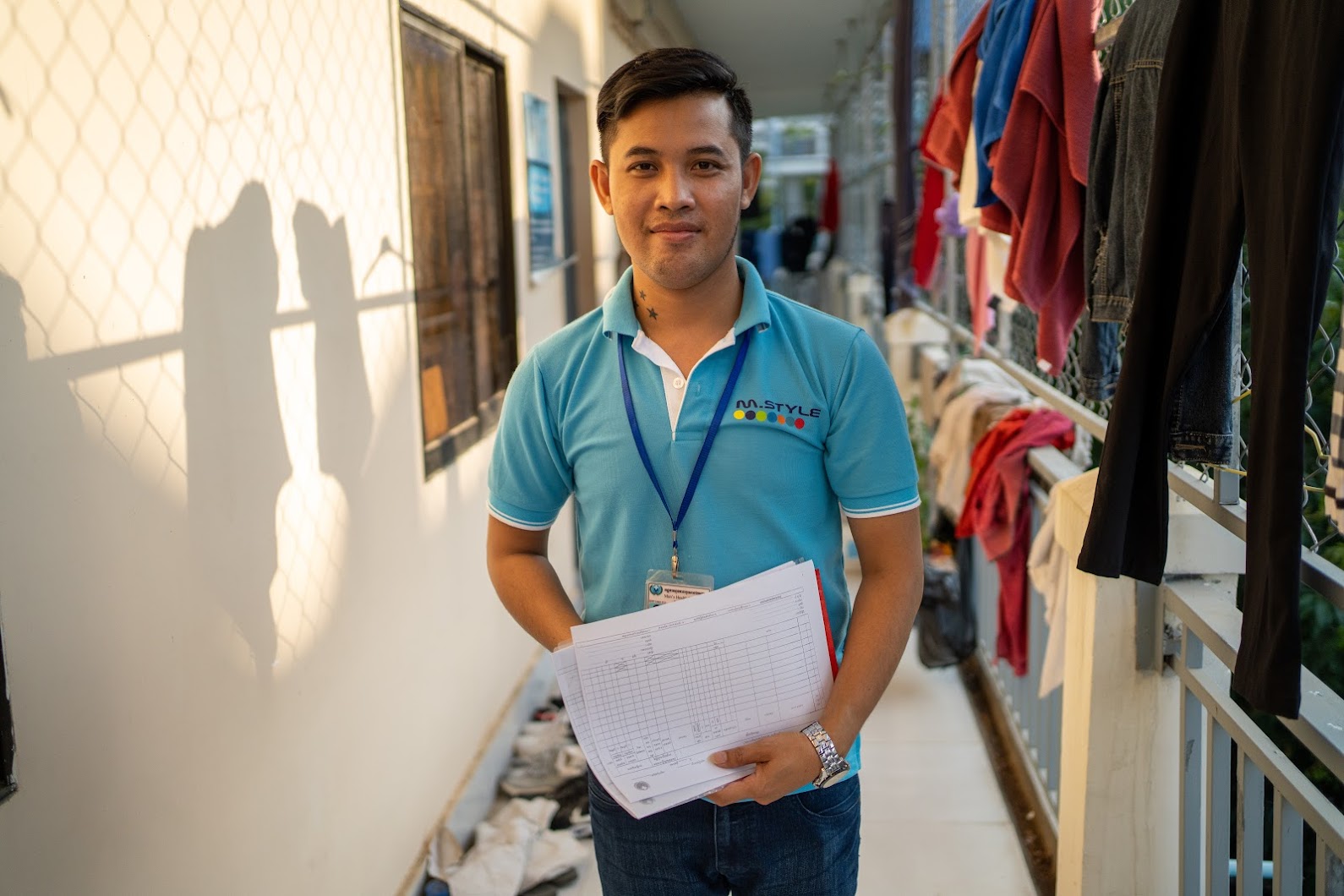
Chhum Vy, an outreach worker for Men’s Health Cambodia (MHC), lives in Steung Meanchey, a low-income neighborhood in southern Phnom Penh. She has converted her rental house into a makeshift community centre for gay and transgender people who live in the area. To get there you pass through a Buddhist temple compound, then head down narrow streets, just wide enough for a motorbike.
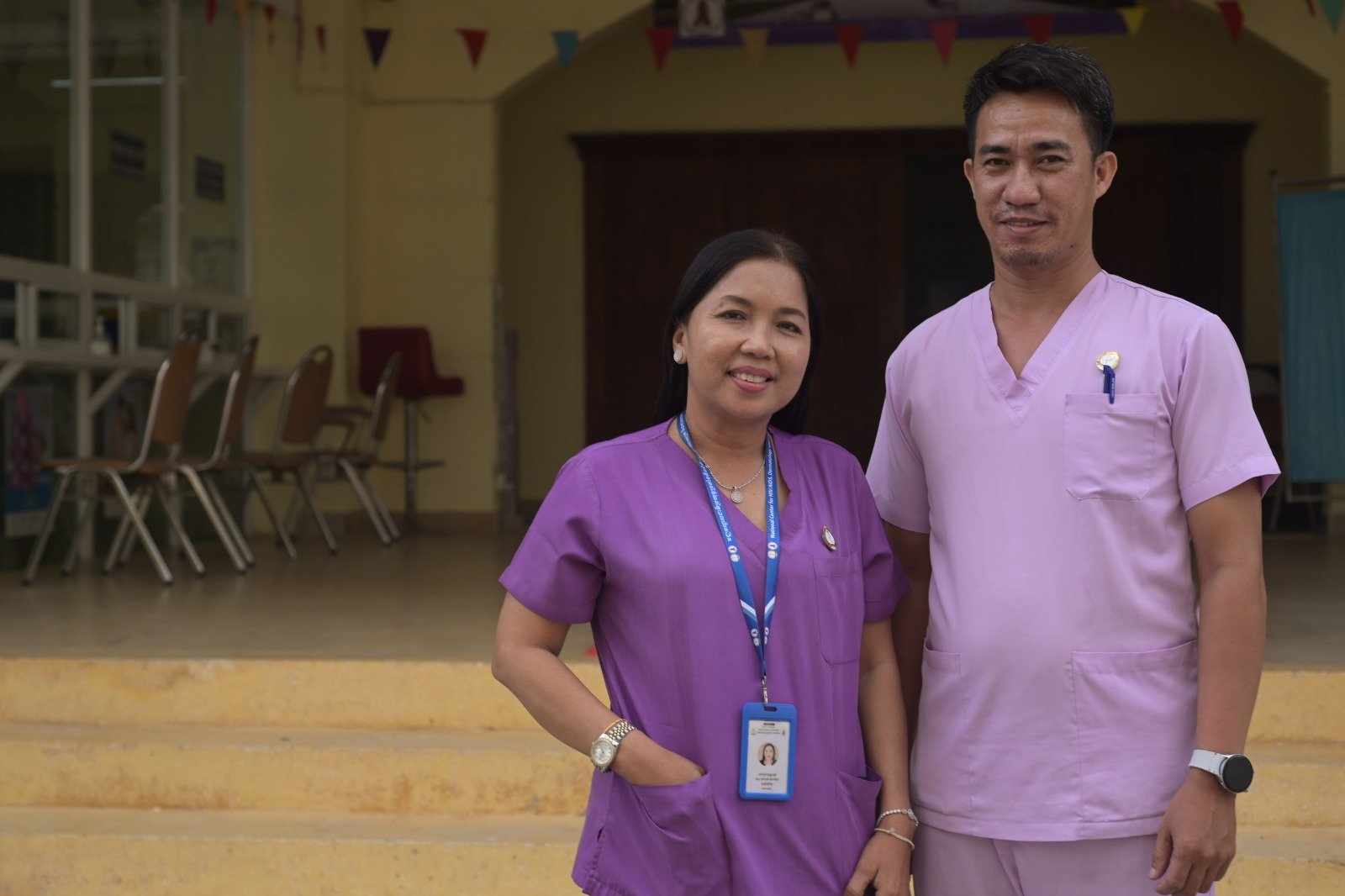
Arun Seang* works six days a week in a garment factory in Phnom Penh. In the past when he needed time off to go to the HIV clinic he came up with excuses. Now there’s no need. The National Clinic for AIDS, Dermatology and STDs (NCHADS) is open every day, including weekends.
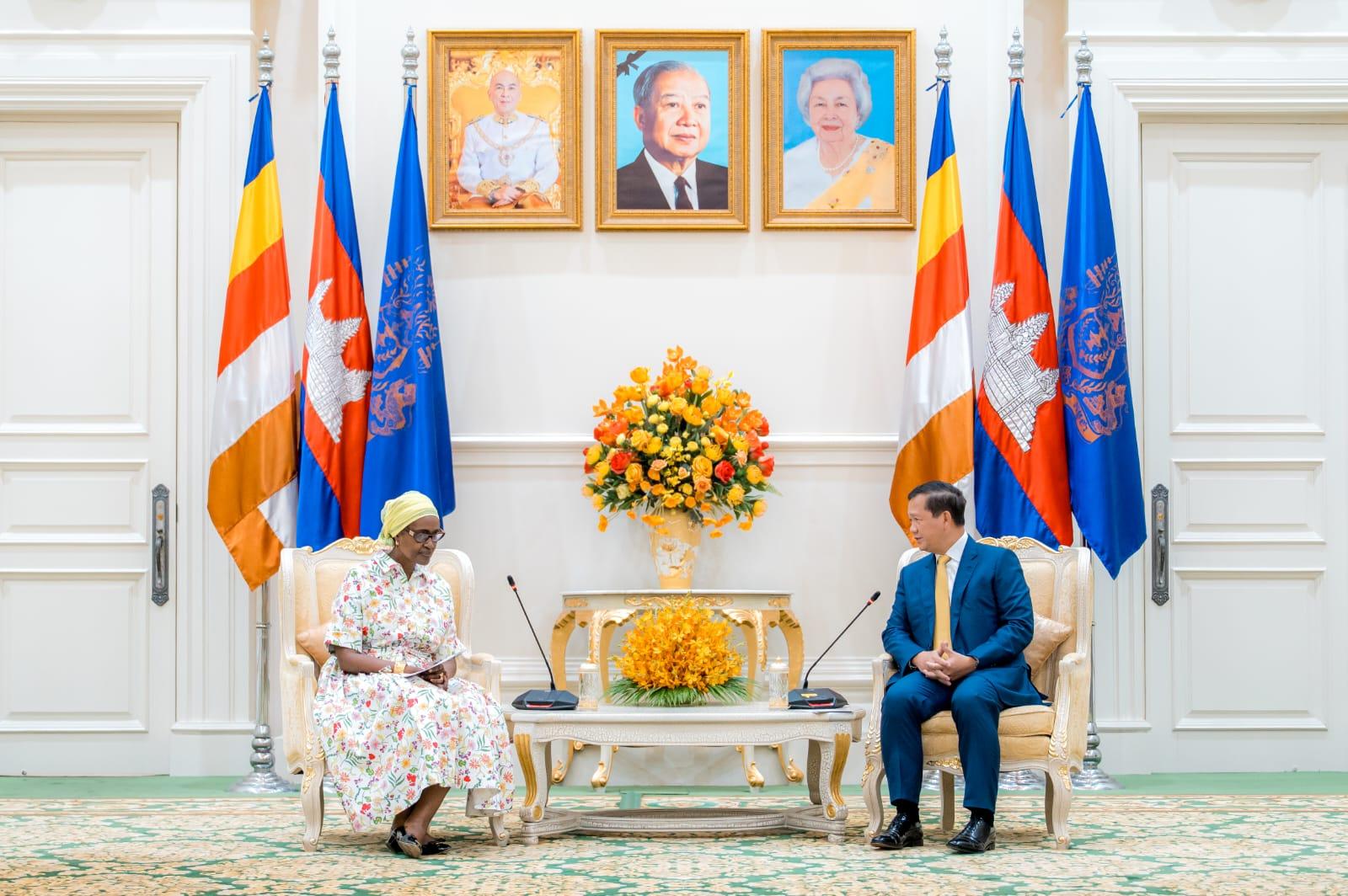
PHNOM PENH, 16 May 2025—UNAIDS Executive Director, Winnie Byanyima, saw firsthand Cambodia’s strong progress towards ending AIDS as a public health threat during her 12-16 May mission. Among other achievements, the country treats 100% of people who are aware of their HIV status. Key approaches include national roll-out of modern HIV prevention and treatment tools, community-led service delivery and social protection. During the visit she discussed the sustainability of the response with… Read More
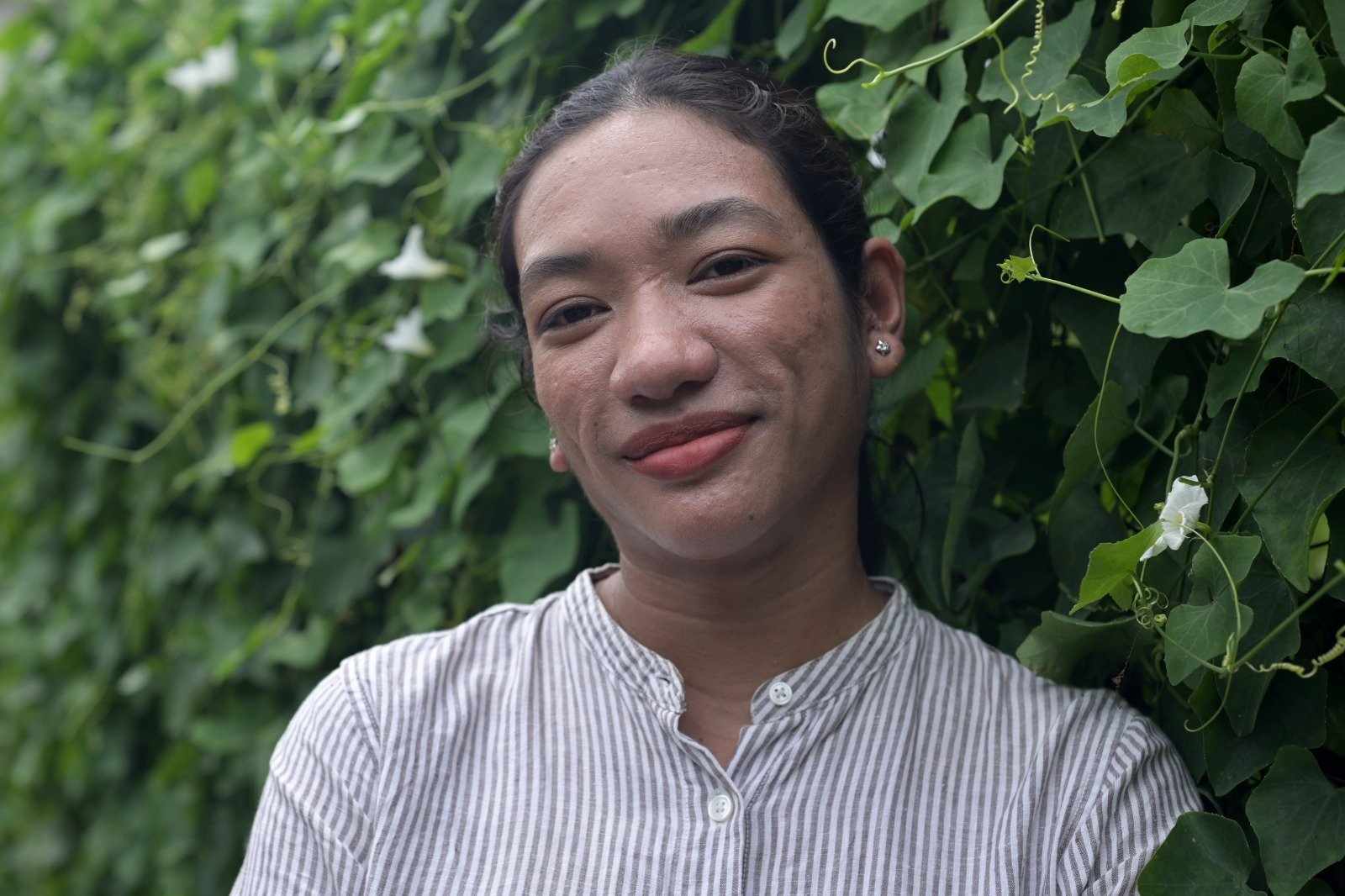
Em Ra disappears into the house twice, slipping past the shrine of flowers and incense by the front door. First, she brings out an old HIV magazine. She flips to a page of a small child, sitting on the back seat of a bike, looking straight into the camera. Next, she emerges with two framed photographs from a recent university graduation.
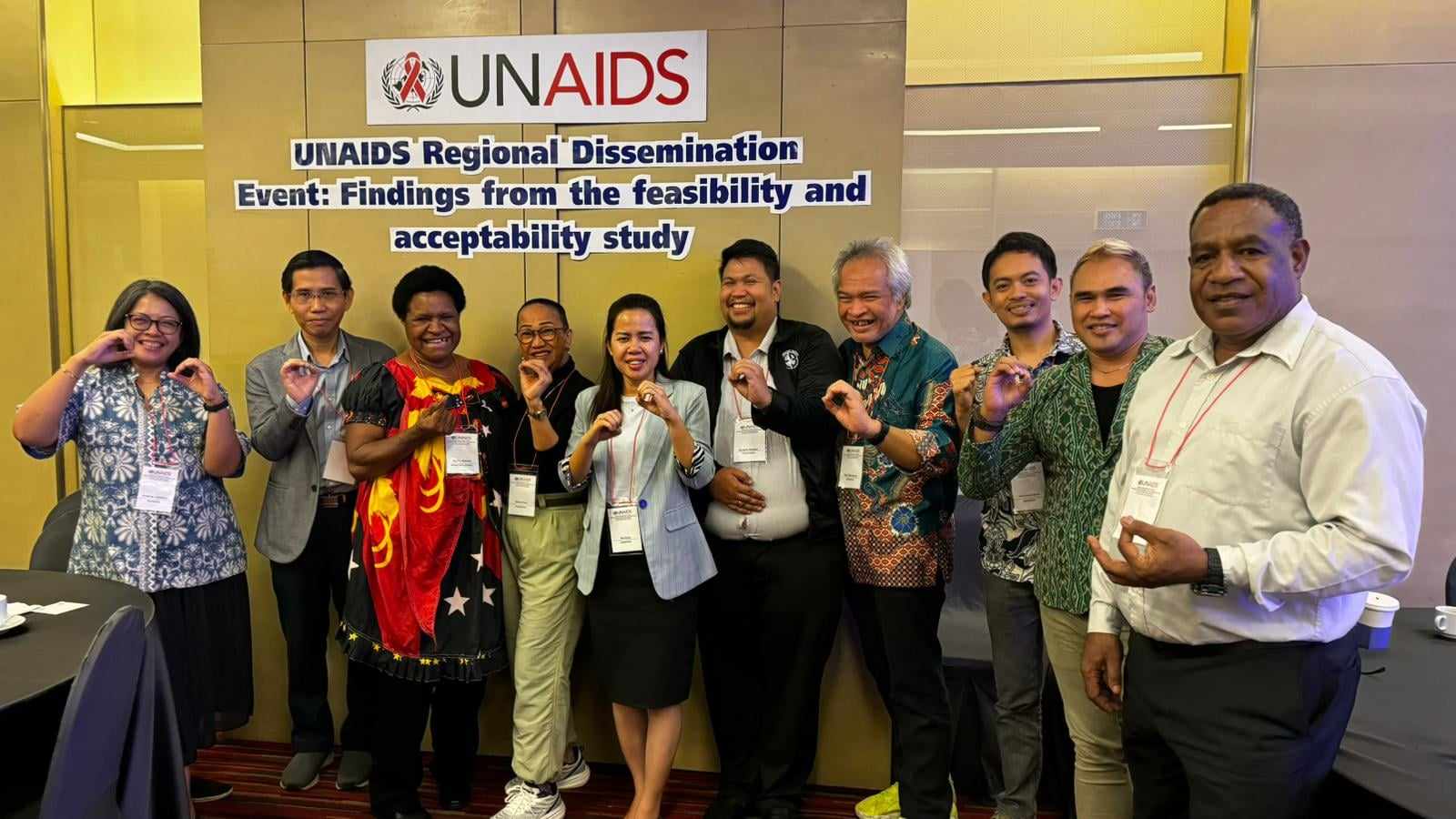
Cambodia, Indonesia, Papua New Guinea and the Philippines prepare to introduce the DVR When Elena Felix contracted HIV the only prevention tools available were condoms. She didn’t think she needed them then. Thirty years after her diagnosis, she’s helped conduct research to determine whether women in the Philippines would use a new tool to lower their risk of HIV infection.
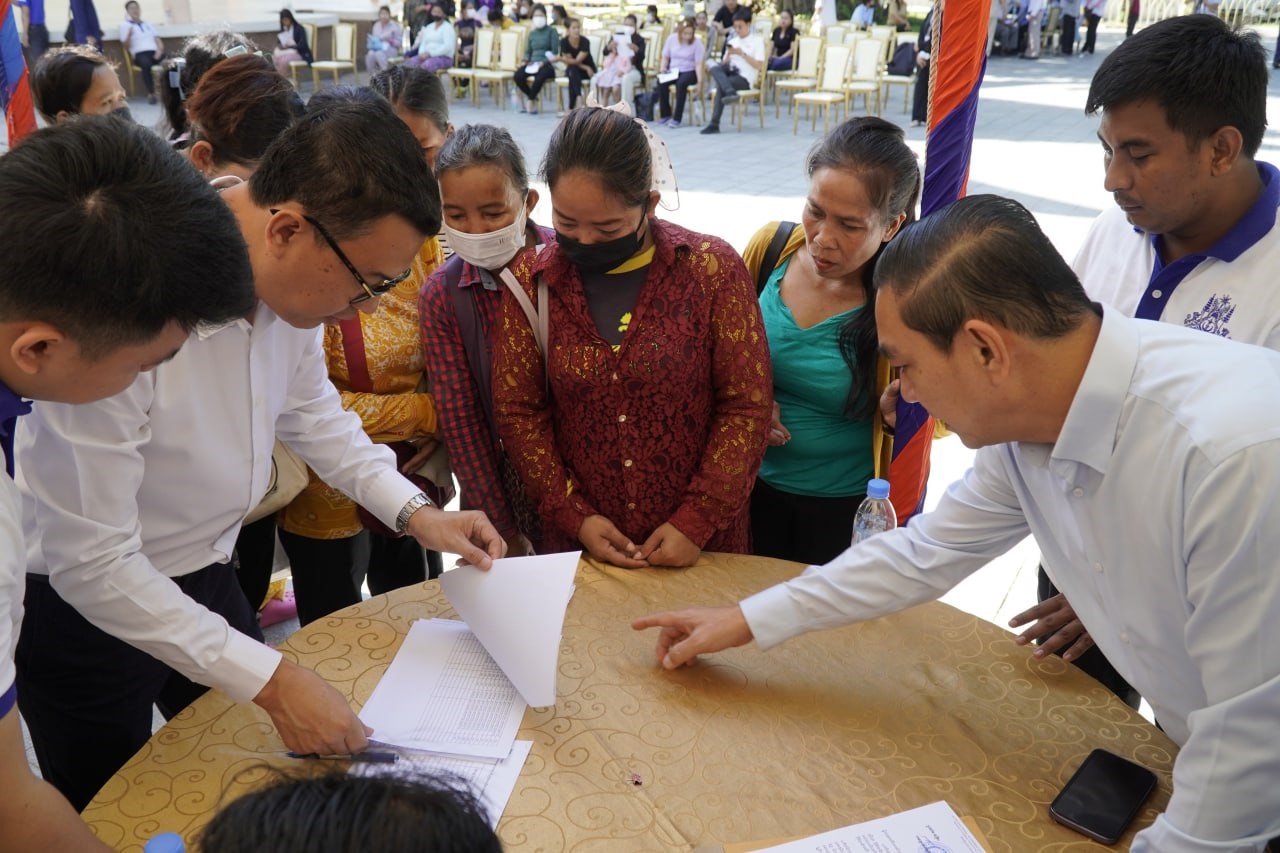
Imagine this: you’re a person living with HIV, and your household is facing financial hardship. You decide to run a small grocery business at home, keeping your status hidden. Despite accessing free HIV treatment, you cannot afford other essential health services. And when you need to buy medicine, you don’t have enough for your children’s school supplies or nutritious meals.

GENEVA/BANGKOK, 13 July 2023—A new report released today by UNAIDS shows that there is a clear path that ends AIDS. This path will also help prepare for and tackle future pandemics and advance progress towards achieving the Sustainable Development Goals. The report, ‘The Path that Ends AIDS’, contains data and case studies which highlight that ending AIDS is a political and financial choice, and that the countries and leaders who are already… Read More
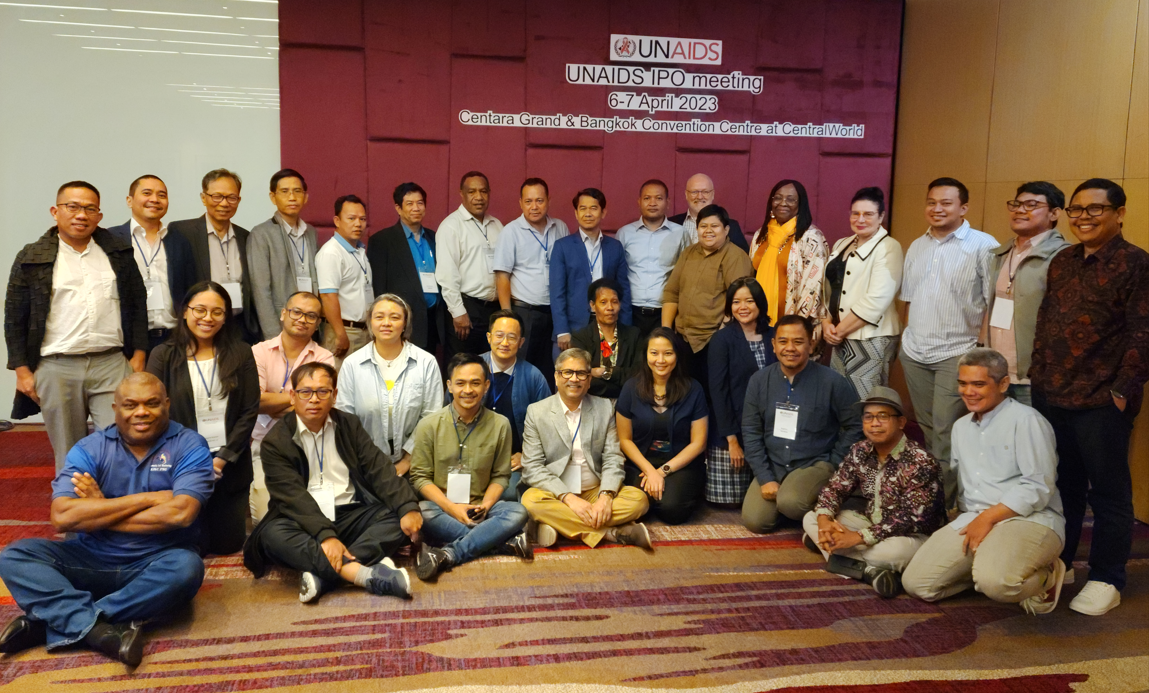
BANGKOK, April 7, 2023—Country teams and community networks tackling rising HIV infections in four Asia Pacific countries are discussing innovative strategies and solutions to explore how they can accelerate progress and achieve sustainable results. The Indo Pacific HIV Prevention Program aims to lower new infections and address inequalities that are slowing progress toward ending AIDS in Cambodia, Indonesia, Papua New Guinea and the Philippines. On April 6 and 7, UNAIDS is supporting the… Read More



 UNAIDS Asia-Pacific