 UNAIDS Asia-Pacific
Archives

Asia-Pacific faces a dangerous financial squeeze that is undermining prevention and community support GENEVA/BANGKOK, 26 November 2025—The AIDS response has suffered its most serious setback in decades, warns a new UNAIDS report released ahead of World AIDS Day (1 December). Overcoming Disruption, Transforming the AIDS Response details how a sharp fall in international funding is hitting low- and middle-income countries hardest and threatening to reverse hard-won gains.
WHO and UNAIDS convene partners to explore solutions to the Region’s HIV crisis NADI, Fiji, 22 October 2025 — The World Health Organization (WHO) Regional Office for the Western Pacific and UNAIDS Asia-Pacific have convened a range of stakeholders here to confront the Region’s HIV crisis amid growing national epidemics. Held during the seventy-sixth session of the WHO Regional Committee for the Western Pacific and at the request of the Fiji Ministry… Read More
Overcoming disruption, transforming the AIDS response – World AIDS Day 2025 The theme of this year’s World AIDS Day is “Overcoming disruption, transforming the AIDS response.”
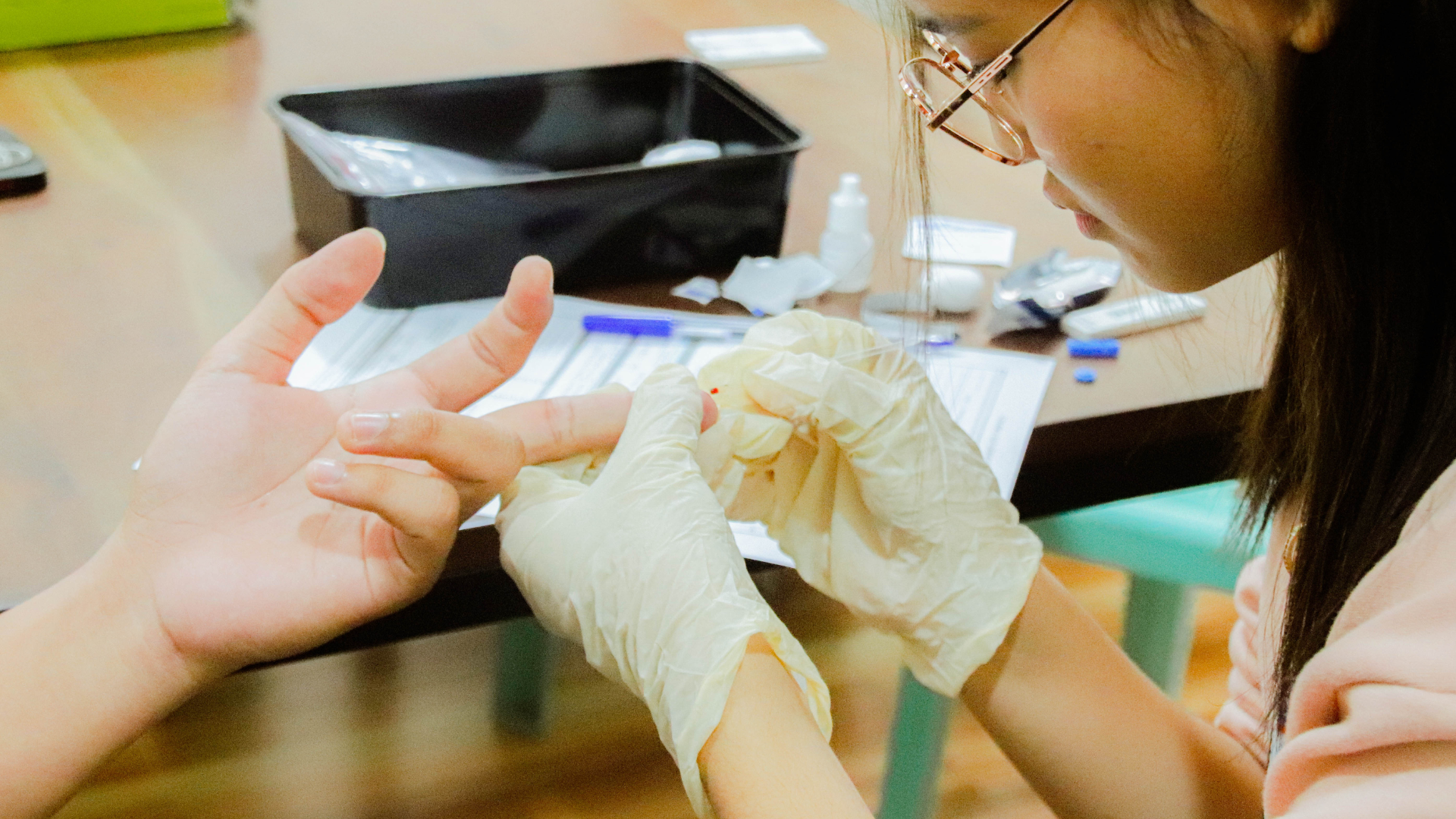
This case study is featured in the 2025 Global AIDS Update “We will focus on treatment!”

PORT MORESBY, 26 June, 2025—New data reveal alarming rise in cases, particularly among women and children, with mother-to-child transmission rates critically high.
MANILA, 4 June, 2025–The Joint United Nations Programme on HIV/AIDS (UNAIDS) Philippines calls for immediate and intensified action to address the country’s rapidly escalating HIV epidemic, supporting the call of Department of Health for President Ferdinand Marcos Jr. to sign the pending Executive Order declaring HIV as an urgent public health concern requiring nationwide response.

PHNOM PENH, 16 May 2025—UNAIDS Executive Director, Winnie Byanyima, saw firsthand Cambodia’s strong progress towards ending AIDS as a public health threat during her 12-16 May mission. Among other achievements, the country treats 100% of people who are aware of their HIV status. Key approaches include national roll-out of modern HIV prevention and treatment tools, community-led service delivery and social protection. During the visit she discussed the sustainability of the response with… Read More

Em Ra disappears into the house twice, slipping past the shrine of flowers and incense by the front door. First, she brings out an old HIV magazine. She flips to a page of a small child, sitting on the back seat of a bike, looking straight into the camera. Next, she emerges with two framed photographs from a recent university graduation.



 UNAIDS Asia-Pacific