UNAIDS Asia-Pacific
Archives

Stigma-free HIV prevention, testing and treatment services required for an effective response SUVA/BANGKOK, 23 January 2025—The Government of Fiji has declared an HIV outbreak in response to a sharp increase in reported newly diagnosed cases during 2024.
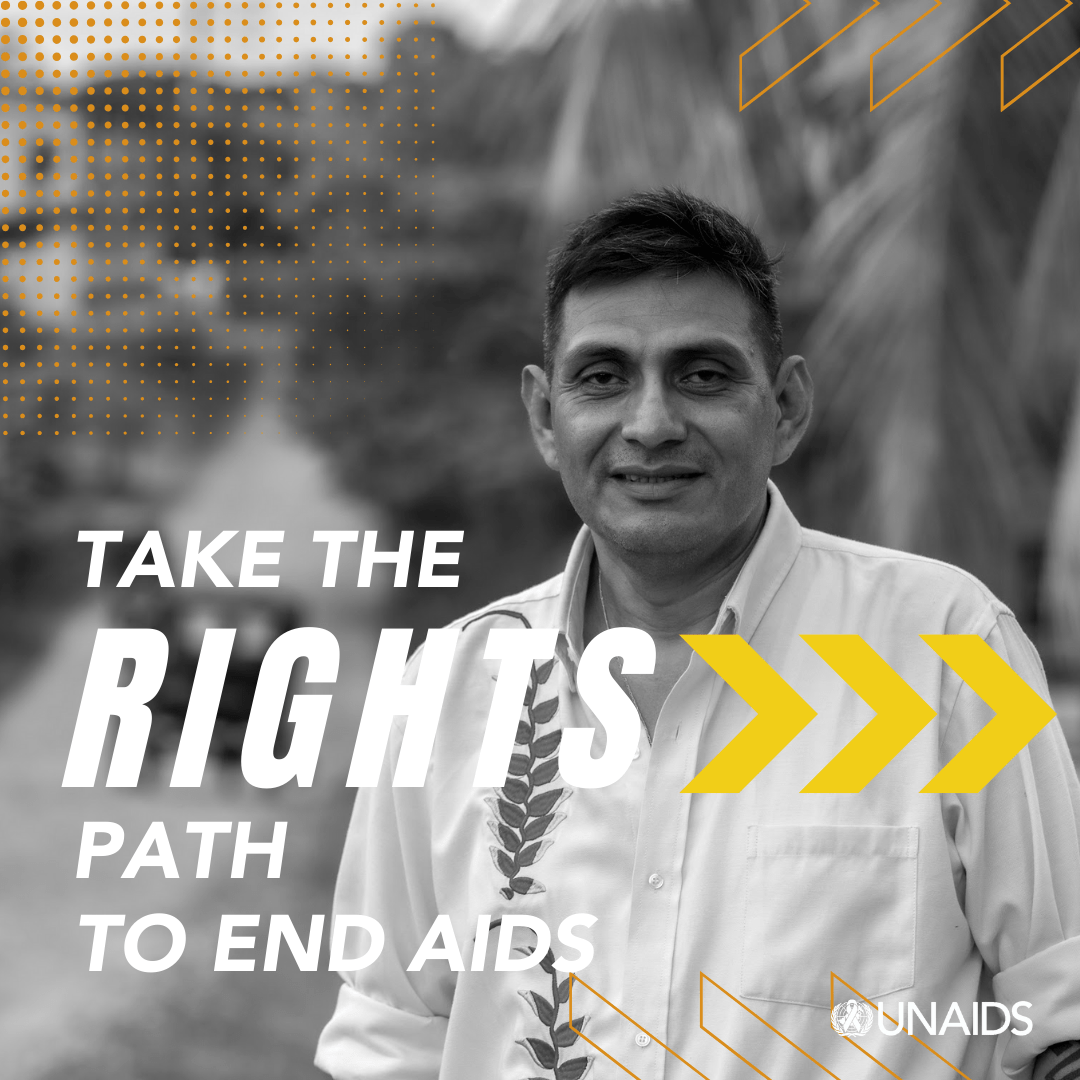
Asia Pacific seeks to lower HIV-related stigma and rights violations through education about U=U BANGKOK/GENEVA, 27 November 2024— Ahead of World AIDS Day (1 December), UNAIDS urges leaders to protect the human rights of everyone living with, and at risk of, HIV. Only then can the world meet the goal of ending AIDS as a public health threat by 2030. A new report, “Take the rights path to end AIDS”, notes that… Read More
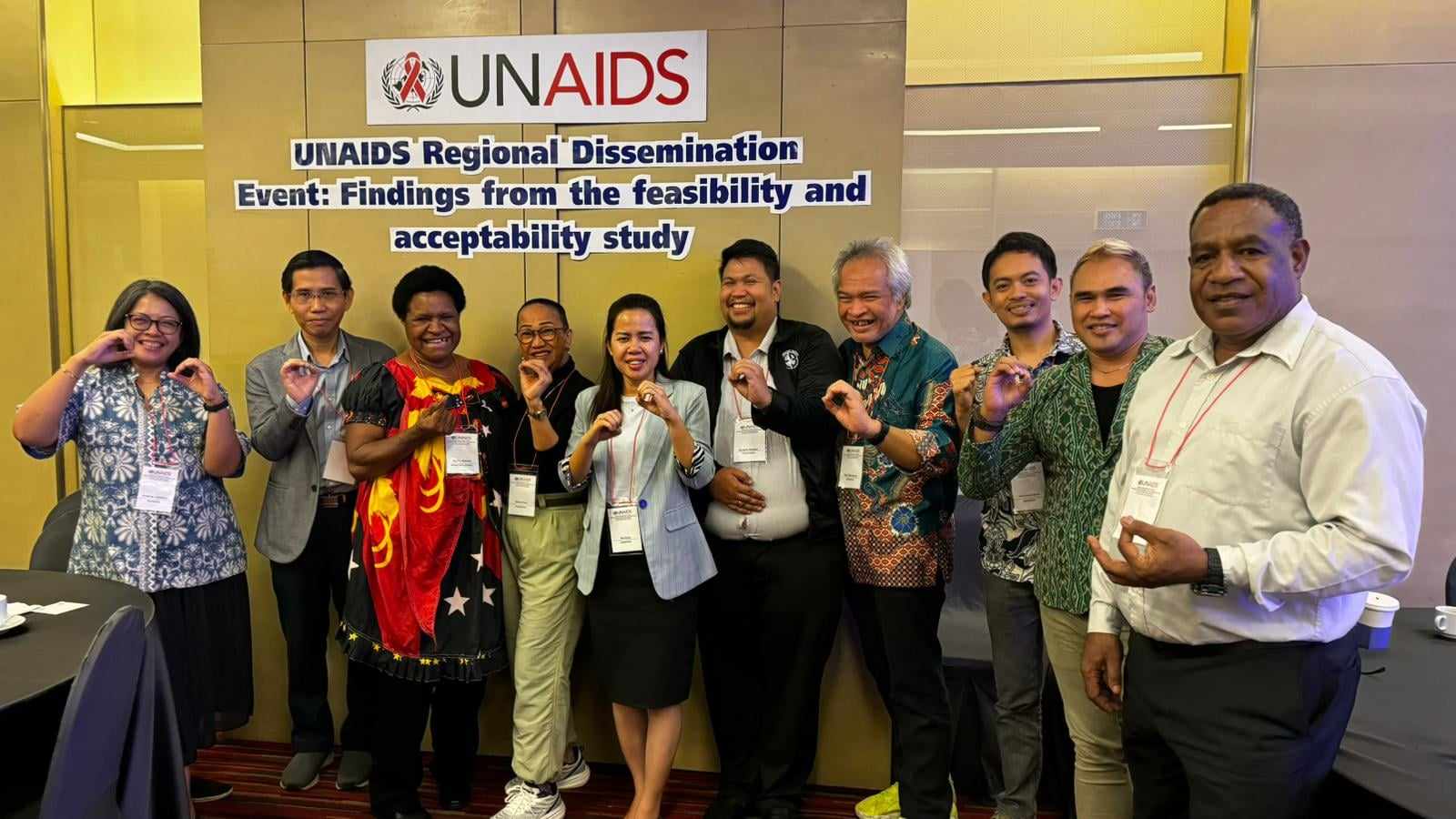
Cambodia, Indonesia, Papua New Guinea and the Philippines prepare to introduce the DVR When Elena Felix contracted HIV the only prevention tools available were condoms. She didn’t think she needed them then. Thirty years after her diagnosis, she’s helped conduct research to determine whether women in the Philippines would use a new tool to lower their risk of HIV infection.
Life became chaotic for Poon early. (Not his real name.) As a gay teenager he was bullied at school by students and teachers. He moved in with his grandparents when his parents separated, but eventually left northern Thailand for Bangkok. There he survived through sex work.

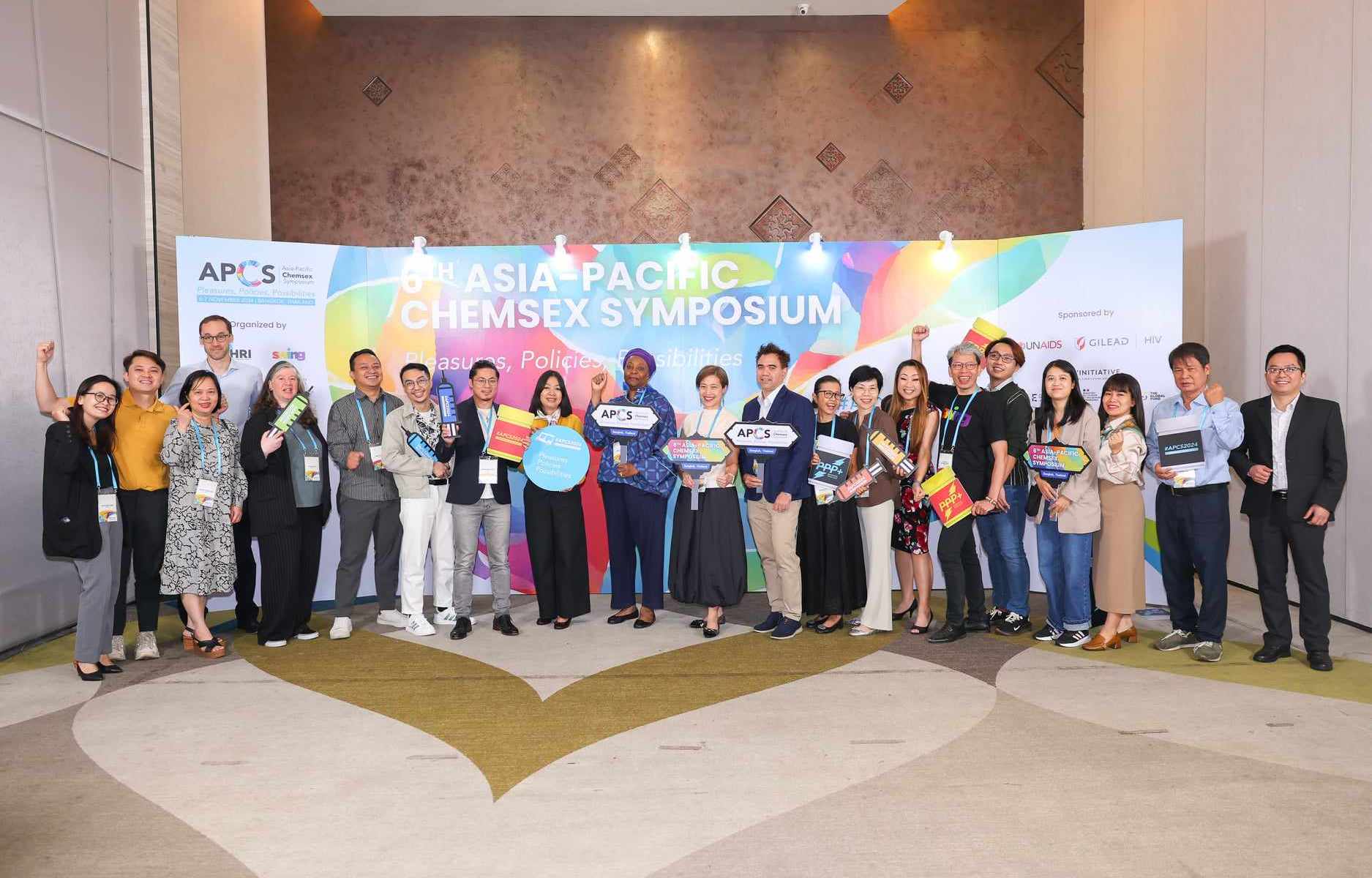
Partners explore more effective responses to sexualized drug-use at Asia Pacific Chemsex Symposium BANGKOK, November 8, 2024—UNAIDS and the United Nations Office on Drugs and Crime (UNODC) have launched a first of its kind regional chemsex toolkit. Developed by the Australian Society for HIV, Viral Hepatitis and Sexual Health Medicine (ASHM), the toolkit is geared toward clinical service providers in Asia and the Pacific working with men who have sex with men… Read More
NADI, 5 November 2024—Representatives from ten Pacific Island nations, including Fiji, Cook Islands, Samoa, Tonga, Tuvalu, Vanuatu, Solomon Islands, Nauru, Republic of the Marshall Islands (RMI) and Kiribati, convened in Nadi for the UNAIDS Global AIDS Monitoring (GAM) and HIV Estimates Workshop. Running from November 4th to 8th, this regional workshop is supported by the Indo-Pacific HIV Partnership and the Australian Government. It aims to enhance national capacities in HIV data collection,… Read More
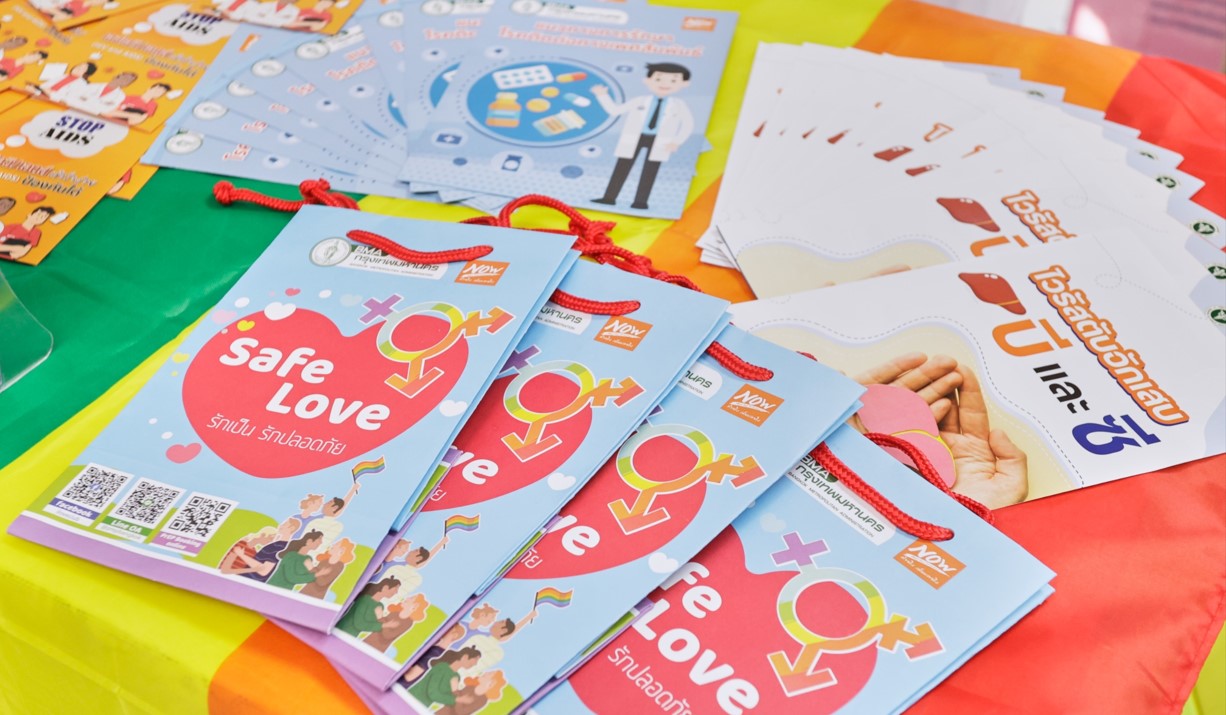
In 2020, a gay Thai man living with HIV sparked controversy with a Facebook post. He was on antiretroviral therapy and had gotten lab tests to check the level of virus in his blood. Since his viral load was undetectable, he wrote, he was going to stop using condoms.
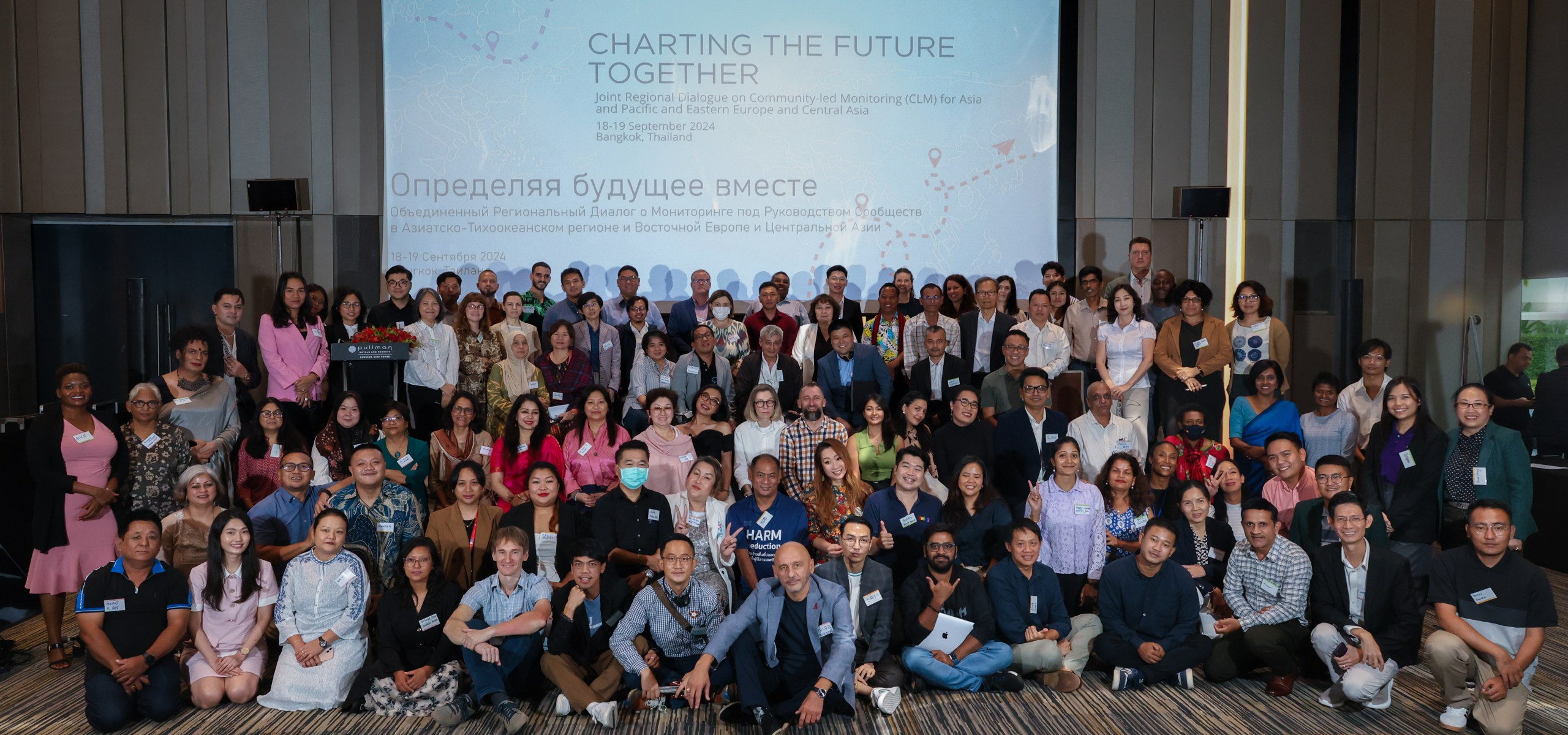
BANGKOK, 23 September, 2024—Seventeen countries from the Asia Pacific and Eastern Europe Central Asia regions collaborated on a strategy to strengthen Community-led Monitoring (CLM) over the next year. The meeting facilitated learning exchanges between countries at different stages of implementation. The resulting strategy can improve HIV response results by sustainably addressing stigma, poor services standards and rights violations in healthcare settings.