 UNAIDS Asia-Pacific
Archives
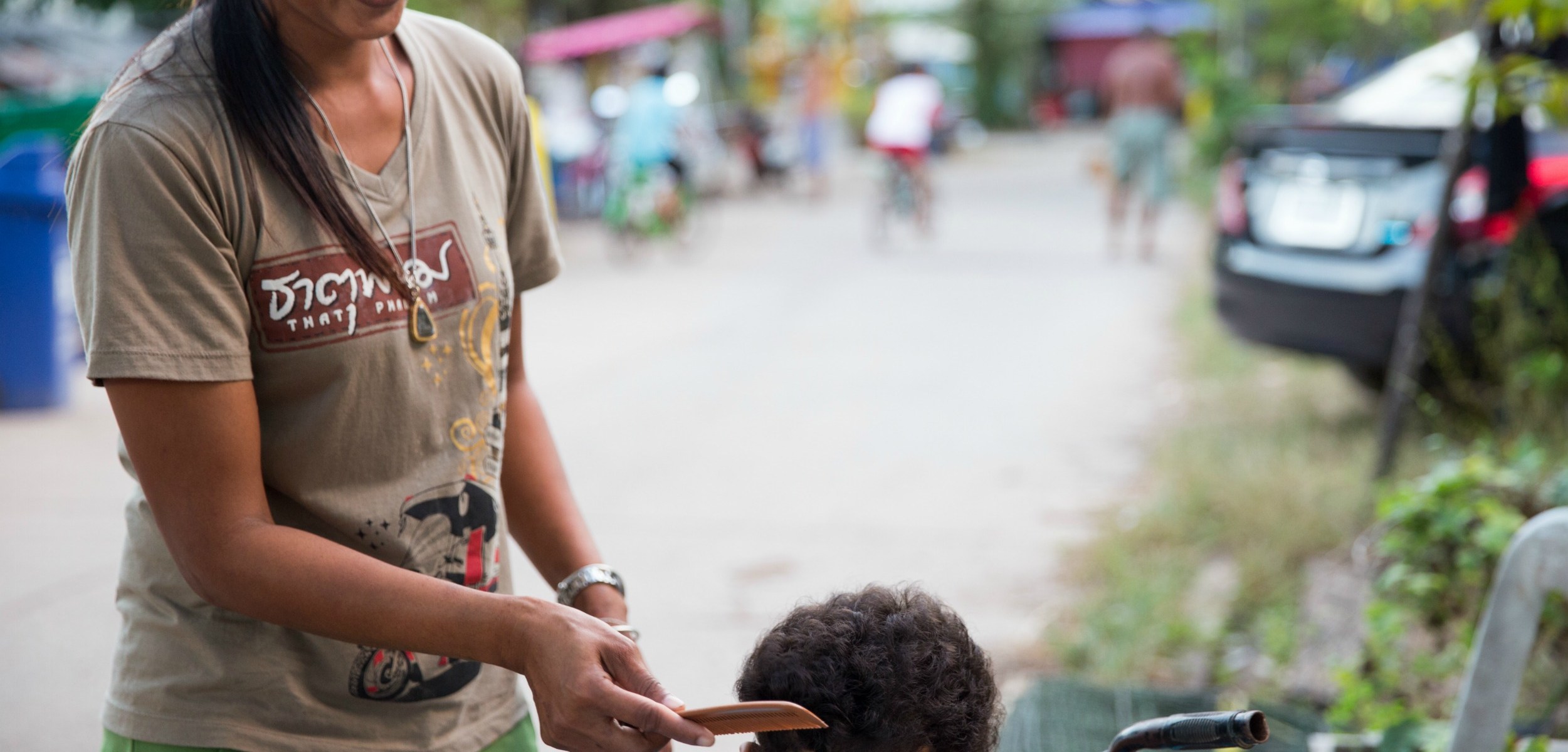
Sixteen years ago, Anya Nopalit was thrilled to learn she was pregnant, but then she received devastating news. “I learned that I had HIV. I was really sad and disappointed. I wondered, why did this happen to me?” said Ms Nopalit, who lives in a fishing village in Chantaburi Province in southeast Thailand.

COLOMBO, 2 May 2016—The Joint United Nations Programme on HIV/AIDS (UNAIDS) welcomes a decision by Sri Lanka’s Supreme Court to prohibit HIV discrimination in education settings.

It’s a year since Nepal was hit by a devastating earthquake which killed more than 8 000 people. The lesbian gay bisexual, transgender and intersex (LGBTI) community was particularly affected by the disaster. The Blue Diamond Society is dedicated to improving the sexual health, well-being and human rights of sexual minorities in Nepal and has about 218,000 members throughout the country. UNAIDS speaks to Manisha Dhakal, Executive Director of the Blue Diamond… Read More

“I fell into sex work,” said “Soi” Phathranis Meekrua. “I was a hair stylist and many of my clients were sex workers. One day they invited me to come along and visit them in the street. I was approached by a customer and thought why not have sex.”

For Sakaodeuan Somkate the day she learnt about her status is as fresh as ever. “I remember it was raining. I was told my test result was positve, I couldn’t believe it was me. I kept crying and crying.”

Su Su likes to run around trailing a kite in her hand. The 13-year old girl, whose face is smeared with Myanmar’s trademark thanakha powder often plays with the young Buddhist female novices, who live like her in Yaelae Taik Thit monastery, which is located opposite Waibargi Hospital in North Okkalapa Township, Yangon.

A young man wearing a striped red T-shirt and faded blue jeans enters a popular bar in downtown Quezon City, the Philippines. He starts speaking to the owner and is soon joined by several other young men. It’s 10 p.m. and the group blends in seamlessly with the other bar customers. The young men are not here to relax, though. They are peer educators and health workers employed by Quezon City’s health… Read More

Andrew Tan from Malaysia, was diagnosed with HIV in 1994. He was 34 years-old at that time and didn’t expect to live beyond his thirties. Today he is 55 years-old and open about his status and being a gay man. As another World AIDS Day is marked, UNAIDS speaks with Mr Tan about his many personal struggles and triumphs which in many ways have mirrored the wider developments taking place in the… Read More



 UNAIDS Asia-Pacific